
Comprehensive Guide to VCH (Vertical Clitoral Hood) Piercing: Benefits, Pain Level, and Initial Care

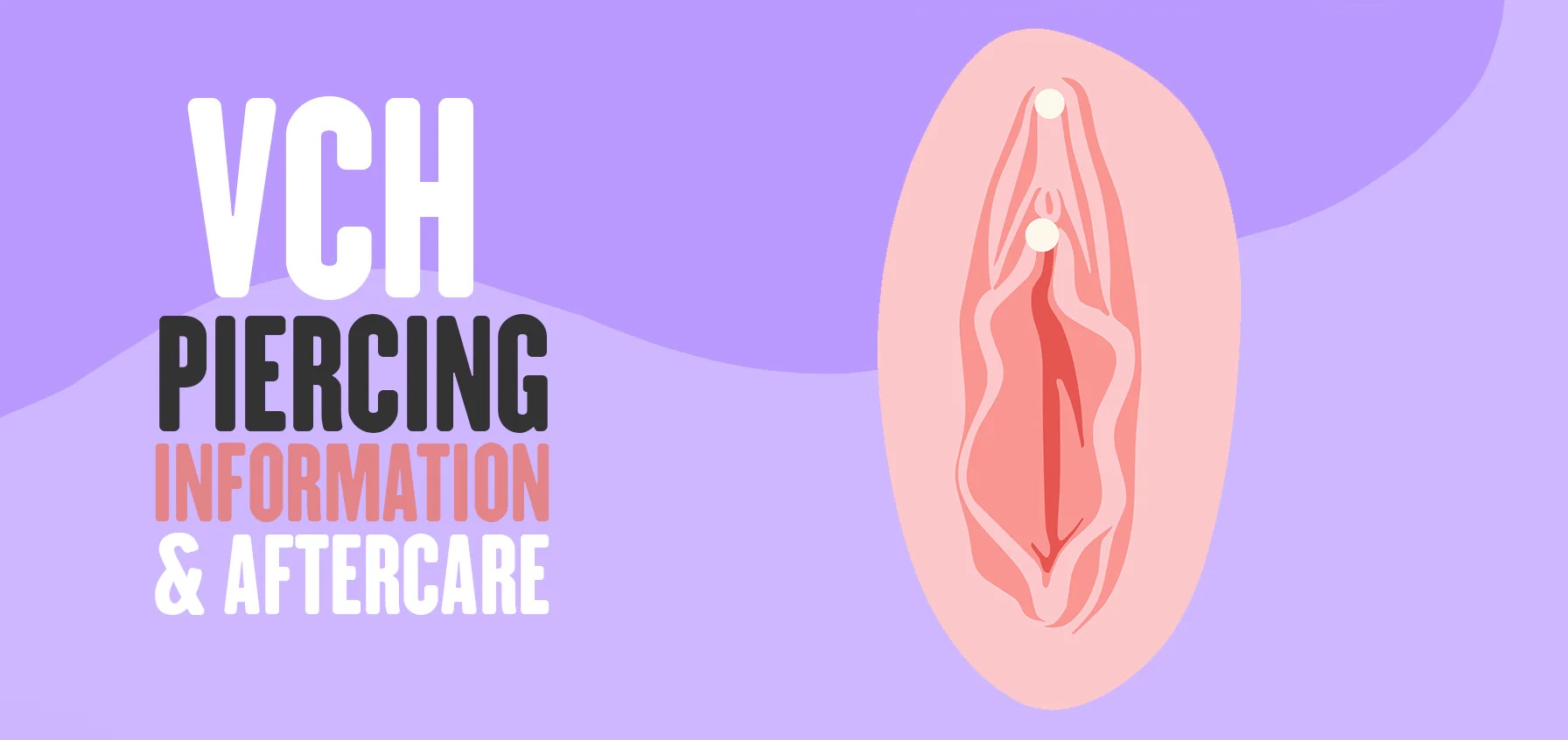
Approaching intimate body modifications requires a foundation of profound anatomical understanding, clinical hygiene, and technical precision. The Vertical Clitoral Hood (VCH) piercing is widely sought after for both its aesthetic elegance and its functional enhancements, yet it remains a procedure that demands strict adherence to anatomical prerequisites. For clients considering this step, stepping into a professional, medically informed environment is paramount for a safe, comfortable, and empowering experience.
Understanding VCH Anatomy: The Clitoral Hood Explained
To comprehend the mechanics of a successful piercing, one must first clearly understand the underlying Vertical Clitoral Hood anatomy. The clitoral hood, also known clinically as the prepuce, is a fold of mucosal and cutaneous tissue that surrounds and protects the glans of the clitoris. This anatomical structure serves as a vital protective barrier against continuous environmental friction while housing a dense, highly sensitive network of nerve endings.
In a standard VCH piercing, the jewelry passes vertically through the tissue of the clitoral hood itself, purposefully avoiding the clitoris. The entry point is strategically located at the top center of the hood, and the exit point rests just beneath the hood, hovering gently above the glans. This highly specific placement ensures that the bottom ball of the jewelry can provide indirect, resonant stimulation to the glans during regular movement, without causing abrasive trauma to the sensitive neural pathways. Because the piercing exclusively traverses the mucosal layers of the prepuce—bypassing erectile tissue entirely—the healing process is typically rapid and uncomplicated, provided the correct anatomical landscape is present.
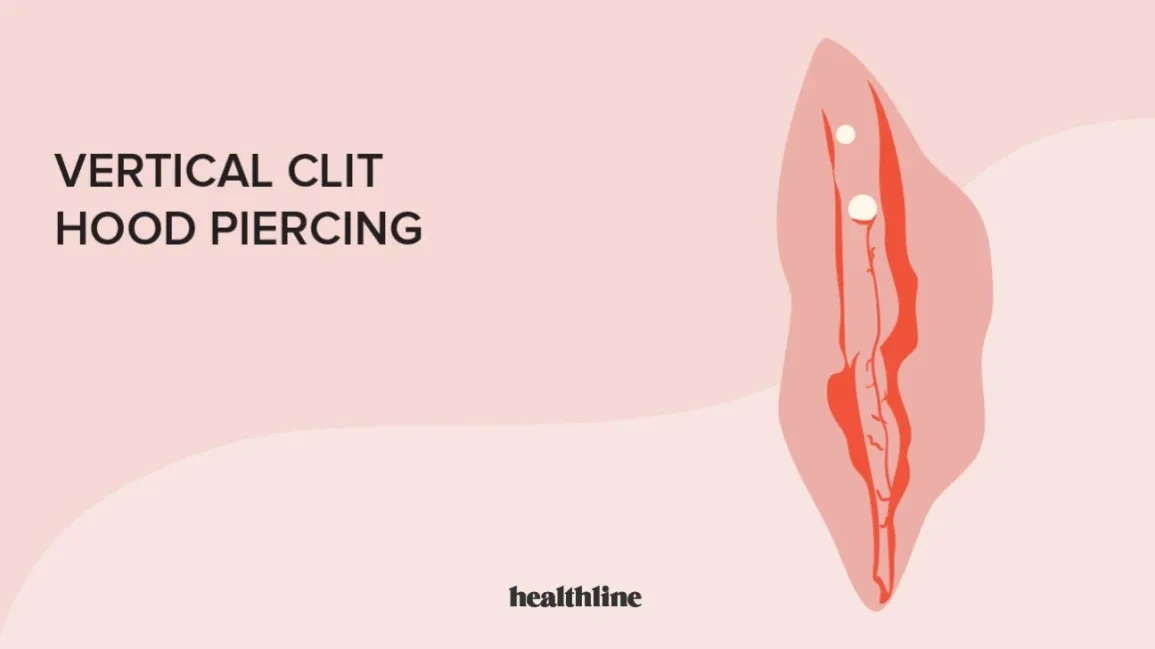
Vertical Clitoral Hood
Assessing Suitability: Performing the Q-Tip Test at Home
The most critical determining factor for a successful VCH piercing is structural suitability. It is a clinical reality that not all vulvar anatomies possess the necessary spatial requirements to safely house vertical jewelry. A preliminary method to gauge anatomical readiness before stepping into a studio is the widely recognized “Q-tip test.” This simple, non-invasive assessment helps determine if there is sufficient space beneath the prepuce to accommodate a curved barbell without creating adverse pressure.
To perform this assessment objectively at home, an individual can take a standard, clean cotton swab and gently attempt to slide the cotton tip beneath the clitoral hood, aiming upward toward the pubic mound. If the cotton swab glides smoothly under the hood and rests comfortably without forcing the tissue to stretch tightly or causing a sharp sensation of pinching, it is an initial indicator that the anatomy may support a VCH piercing. Furthermore, the prepuce itself must have enough distinct, pinchable tissue to be safely pierced—typically, professionals look for a discernible “ridge” or fold that can securely anchor the jewelry without risk of tearing. If the swab cannot easily fit, or if the hood is tightly fused directly to the glans, a VCH piercing is anatomically contraindicated.
Why Individual Anatomy Matters: Structural Prerequisites for Success
Recognizing that vulvar anatomy varies drastically from person to person is essential for both physiological safety and personal body acceptance. The structural prerequisites for a VCH are absolute; they cannot be negotiated through sheer willpower or even the most advanced piercing techniques. If the tissue of the prepuce is too thin, the piercing lacks the structural integrity necessary to hold the metal, inevitably leading to the body slowly pushing the jewelry out over time—a process known clinically as rejection.
Conversely, if the tissue is too thick or the necessary space beneath the hood is nonexistent, inserting jewelry will apply constant, damaging friction against the glans clitoris. This sustained pressure can cause chronic pain, micro-tearing, and potential localized loss of sensation. When a VCH is structurally impossible due to these factors, a Horizontal Clitoral Hood (HCH) piercing is often evaluated as a secondary option. The fundamental rule of professional body modification is adapting the procedure to the body, rather than forcing the body to adapt to an unsuitable procedure.
VCH vs. HCH Piercing: Key Anatomical Differences
| Feature | VCH (Vertical Clitoral Hood) | HCH (Horizontal Clitoral Hood) |
| Orientation | Pierced vertically (top to bottom) directly through the hood. | Pierced horizontally (side to side) across the top ridge of the hood. |
| Anatomical Requirement | Requires a pronounced hood and distinct space beneath it for the bottom bead. | Requires a wider prepuce with sufficient tissue mass horizontally to support the entry and exit points. |
| Stimulation Level | High; the bottom bead rests directly above the glans for functional, resonant feedback. | Low to Moderate; primarily an aesthetic enhancement as the jewelry rests higher above the glans. |
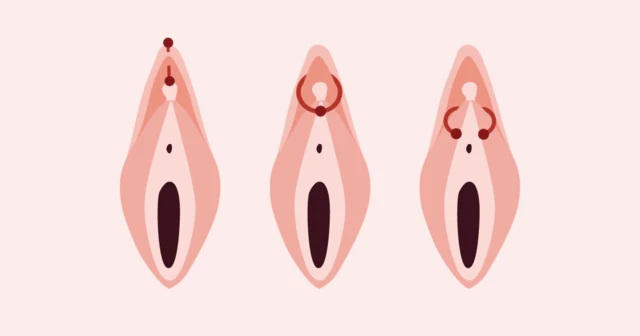
| Common Jewelry Type | Curved barbell or specialized J-bars tailored to the depth of the hood. | Captive bead ring, circular barbell, or a straight barbell. |
| Visual Profile | Elongates the visual line of the anatomy, drawing the eye downward. | Creates a horizontal anchor point across the crest of the prepuce. |
The pinktatpier Studio Standard: Why Choosing an Expert Piercer is Crucial
The distinction between a standard piercing experience and a superior, medically sound procedure lies entirely in the hands of the practitioner. At the pinktatpier studio, client safety, strict hygiene protocols, and absolute anatomical respect form the cornerstone of every interaction. Understanding the natural anxiety that often accompanies intimate body modifications, the environment at pinktatpier is meticulously designed to be a sterile, calming, and highly professional medical-artistic space, ensuring total peace of mind from the moment a client walks through the doors.
Before any needle is prepared or sterilized, the expert piercers at pinktatpier conduct a rigorous, respectful physical anatomy check. While the at-home Q-tip test provides a helpful baseline for clients, a clinical evaluation by a seasoned professional is absolutely mandatory. The pinktatpier team utilizes sterilized, single-use implements to gently measure the depth, width, and tissue density of the prepuce in a clinical setting. This uncompromising adherence to anatomical validation ensures that every single client approved for the procedure is a genuinely safe and suitable candidate. If the anatomy does not support a VCH, the practitioners at pinktatpier will candidly and compassionately explain the structural limitations, always prioritizing long-term physiological health and safety over a short-term aesthetic request.
By maintaining an elite standard of sterile technique—utilizing hospital-grade autoclaves, aseptic field preparation, and entirely single-use, implant-grade materials—pinktatpier completely eliminates the risks associated with cross-contamination. This clinical rigor is paired with a deeply reassuring bedside manner, transforming what might be an intimidating prospect into a fully controlled, structurally sound, and technically flawless experience.
Vertical Clitoral Hood
The Benefits & Popularity of the Vertical Clitoral Hood Piercing
While the decision to alter one’s body is deeply personal, the modern surge in popularity for intimate modifications is rooted in highly tangible, documented outcomes. Understanding the VCH Piercing Benefits requires a multidisciplinary approach, blending aesthetic appreciation, physiological mechanics, and psychological empowerment. For many individuals, this specific procedure is not merely a cosmetic addition, but a transformative journey toward bodily autonomy and enhanced sensory awareness. It is essential to approach these outcomes through a lens of scientific reality, dispensing with internet hyperbole to provide a grounded, medically accurate expectation of exactly what this piercing can safely achieve.
Aesthetic Appeal: The Visual Enhancement of Intimate Jewelry
The visual allure of high-quality intimate jewelry cannot be understated. A beautifully executed piercing adds a focal point of elegance to the natural topography of the vulva. From a strictly aesthetic standpoint, the strategic placement of a polished, implant-grade titanium or solid gold curved barbell can create a striking sense of symmetry and refined adornment. Clients often report a profound shift in how they view their own bodies; what may have once been viewed neutrally or even with insecurity is instantly transformed into a curated, celebrated space of self-expression.
The Vertical Clitoral Hood advantages in terms of aesthetics are distinctly unique because the jewelry rests centrally, harmonizing seamlessly with the body’s natural lines. At pinktatpier, our medical-artistic team works collaboratively with clients to select initial jewelry that not only prioritizes biocompatibility but also complements their specific skin tone and personal style. This careful, clinical attention to visual harmony elevates the piercing from a simple technical procedure to a bespoke piece of empowering body art, ensuring that the visual outcome is as deeply satisfying as it is anatomically safe.
The Science of Stimulation: How Proper Placement Interacts with Anatomy
Beyond the visual transformation, the primary driver for many seeking this procedure is functional, sensory enhancement. To truly understand the science of stimulation, we must examine the mechanical interaction between the jewelry and the surrounding neurological structures. The clitoris is supported by an intricate, highly concentrated network of over 8,000 to 10,000 nerve endings. When a piercing is perfectly positioned, the bottom bead of the curved barbell rests lightly and safely against the glans. During daily movement—such as walking, cycling, or targeted intimate contact—the jewelry acts as a conductive conduit, translating external motion into direct, localized friction.
This precise mechanical transfer is where the technical expertise of the pinktatpier studio becomes critically important. If the placement is even a millimeter off-axis, the jewelry may hover too high, providing absolutely zero sensory feedback, or sit too low, causing abrasive, chronic discomfort. Our expert piercers utilize exact, millimeter-specific clinical measurements to ensure the bottom bead sits in the optimal sensory “sweet spot.” This precise geometric alignment is what safely unlocks the functional VCH Piercing Benefits, allowing for increased localized blood flow, heightened baseline sensitivity, and enhanced arousal potential, all while rigorously maintaining the structural integrity of the delicate surrounding tissues.
Psychological Benefits: Fostering Body Autonomy and Confidence
The psychological impact of intimate piercings is a thoroughly documented phenomenon in the field of modern body modification. For many individuals, opting for this specific procedure is a profound act of reclaiming ownership over their physical form. In a society where bodily autonomy is frequently scrutinized, choosing to adorn a highly personal, hidden part of the body serves as a powerful, silent declaration of self-determination. This intentional act of conscious modification frequently results in a significant, measurable boost to self-esteem and overall body confidence.
Furthermore, the psychological Vertical Clitoral Hood advantages effortlessly extend into the realm of interpersonal relationships. By actively choosing to enhance their own sensory experience and aesthetic presentation, individuals consistently report feeling more present, confident, and communicative with their partners. The clinical professionals at pinktatpier recognize that the studio environment plays a massive role in facilitating this psychological journey. By providing a completely sterile, judgment-free, and clinically reassuring space, we ensure that the empowering nature of the piercing begins the exact moment you step into the studio, effectively eliminating fear and replacing it with informed, radiant confidence.
Myths vs. Reality: A Grounded Look at Vertical Clitoral Hood Advantages
Despite the genuine advantages, the internet is rife with exaggerated claims and physiological misconceptions regarding intimate piercings. It is a clinical responsibility to cleanly separate myth from physiological reality. A highly prevalent myth is that the piercing guarantees spontaneous or drastically amplified orgasms for every single individual. The scientific reality is that while the piercing provides consistent, indirect mechanical stimulation, neurological responses to friction vary wildly from person to person. It is a highly effective enhancement tool, not a universal magic switch.
Another common exaggeration is the idea that the piercing will fundamentally change one’s anatomical structure or baseline libido. In truth, the VCH Piercing Benefits are entirely localized and specific. The procedure will not alter your systemic hormonal drive, nor will it make a historically unresponsive nerve network suddenly hyper-sensitive. The uncompromising goal at pinktatpier is to provide transparent, scientifically backed education so clients enter the procedure room with grounded, highly realistic expectations. By understanding the true mechanical and aesthetic limits of the procedure, clients are far more likely to experience superior satisfaction rates and a profound, lifelong appreciation for their newly enhanced anatomy.
Aesthetic vs. Functional Benefits of a VCH Piercing
| Benefit Category | Specific Advantage | Clinical Reality |
| Aesthetic | Symmetrical Adornment | Creates a central visual focal point, elegantly enhancing the natural topography of the vulva. |
| Functional | Indirect Mechanical Friction | The bottom bead smoothly transfers daily or targeted movement into localized stimulation of the glans. |
| Aesthetic | Bespoke Customization | Allows for highly individualized expression through varying high-polish metals and gem settings. |
| Functional | Heightened Baseline Awareness | The gentle, constant weight of the jewelry keeps the wearer subconsciously connected to their anatomy. |
| Psychological | Enhanced Body Autonomy | Fosters a deep, documented sense of bodily ownership, self-esteem, and personal empowerment. |
The Truth About Pain & The Professional Procedure
Confronting the psychological barrier of anticipated discomfort is often the final, most significant step for clients considering an intimate modification. The anxiety surrounding the procedure typically far eclipses the physical sensation itself. When preparing for this step, it is completely normal for the mind to associate the genital region with extreme vulnerability and, consequently, severe pain. However, overcoming this fear simply requires a shift from internet rumors to clinical facts. By understanding the precise nature of the tissue being pierced and the advanced, medically sound techniques utilized by experts, clients can approach the procedure chair with total confidence and a calm, rational mindset.
Assessing VCH Piercing Pain: A Realistic Clinical Perspective
When discussing VCH piercing pain, it is vital to approach the topic with absolute anatomical objectivity. The human brain naturally assumes that because the clitoris is highly sensitive, any needle near it will cause agonizing trauma. However, the reality of piercing the clitoral hood is profoundly different and incredibly reassuring. The prepuce—the specific tissue we are working with—is composed of relatively thin, highly pliable mucosal skin. Crucially, it lacks the dense concentration of deep, structural pain receptors found in thicker areas of the body, such as dense cartilage or heavy muscle.
Consequently, the physical sensation is universally described by clients not as a deep, sustained trauma, but rather as a very superficial, quick pinch. Because the mucosal tissue of the hood is so thin and offers minimal structural resistance, the needle passes through it with remarkable, frictionless ease. The acute, sharp physical sensation lasts only a matter of seconds, rapidly subsiding into a mild, warm, and dull throb that fades quickly. By demystifying the physical reality and understanding that the VCH piercing pain is fleeting, clients can step into the studio empowered by physiological facts rather than paralyzed by fear. The anticipation is, without exception, worse than the piercing itself.
Vertical Clitoral Hood
Step-by-Step Walkthrough: The Sterile Procedure at pinktatpier Studio
A predictable, meticulously executed procedure is the ultimate antidote to client anxiety. At pinktatpier, every single step of the process is transparent, clinically sound, and heavily communicated so you are never left wondering what happens next. Once you enter our private, climate-controlled procedure room, you are guided to a comfortable, medically sanitized table. The area is first prepared using a hospital-grade, skin-safe antiseptic solution (such as chlorhexidine or surgical iodine) to create a completely sterile field, eliminating any risk of introducing surface bacteria.
Following the sterile prep, the piercer uses a single-use surgical marking pen to pinpoint the exact entry and exit coordinates. We then provide the client with a hand mirror, ensuring they have complete visual approval of the placement before any further action is taken. A specialized, sterile receiving tube or customized, atraumatic forceps may be gently positioned to support the tissue and securely isolate the hood from the surrounding anatomy. This precise clinical isolation protects the glans entirely and guarantees the needle follows the exact marked trajectory. At pinktatpier, our unwavering adherence to aseptic technique and transparent, step-by-step communication inherently lowers the body’s stress response, making you feel safe and in control.
Needle Quality and Technique: Ensuring a Swift, Near-Painless Experience
The physical instrument used during the modification plays an outsized role in the overall pain level and resulting tissue trauma. At pinktatpier, we strictly utilize state-of-the-art, single-use, tri-bevel Piercing needles. These needles are laser-cut and medically coated to glide through tissue on a microscopic level, minimizing friction and cellular disruption. A blunt, low-quality, or reused needle pushes and micro-tears the tissue, which instantly triggers a severe inflammatory and pain response. Conversely, an ultra-sharp, surgical-grade needle seamlessly parts the cellular structure without blunt trauma.
Because the clitoral hood is so remarkably thin and our tools are of the highest medical caliber, the actual piercing motion is incredibly fast. From the exact moment the needle enters the tissue to the moment the implant-grade jewelry is safely guided through and secured, the entire active procedure is completed in under 10 seconds. This rapid, highly efficient technique ensures that your central nervous system barely has time to register the localized pinch before the procedure is already successfully over. The swiftness and fluidity of the execution are the hallmarks of our expert practitioners, guaranteeing the lowest possible pain threshold.
Managing Anxiety: Effective Breathing Techniques and Client Support
Even with the finest tri-bevel needles and a perfect, swift technique, managing the body’s natural fight-or-flight response is an essential part of the process. The psychological environment at pinktatpier is deliberately engineered to activate the parasympathetic nervous system—the body’s natural “rest and digest” state. Before the 10-second procedure begins, our practitioners guide clients through targeted, diaphragmatic breathing techniques to actively lower heart rates and relax tense muscles.
We instruct clients to take a deep, slow inhalation through the nose, expanding the abdomen, followed by a controlled, elongated exhalation through the mouth. The precise, split-second moment of the piercing is synchronized entirely with a profound, outward breath. Exhaling forcefully and deliberately relaxes the pelvic floor and significantly dulls the neurological perception of the quick pinch. You are never rushed at pinktatpier; if you need five minutes of guided, quiet breathing to center yourself, that time is gladly given. Our calming, respectful bedside manner ensures that you feel completely supported, actively participating in a serene, highly controlled environment.
VCH Piercing Pain Level Compared to Other Common Piercings (Cartilage, Navel, Nostril)
| Piercing Type | Tissue Density & Composition | Perceived Pain Level (1-10) | Duration of Acute Sensation |
| Cartilage (Helix/Tragus) | Dense, avascular connective tissue | 5 – 7 | Intense pressure, sustained ache lasting days |
| Navel (Belly Button) | Thick, dense surface skin and underlying fat | 4 – 6 | Moderate, sustained pinch and push |
| Nostril | Thick cartilage and dense fibrous tissue | 4 – 6 | Sharp pinch, automatic eye-watering reflex |
| VCH (Vertical Clitoral Hood) | Thin, highly pliable mucosal tissue | 2 – 4 | Superficial, quick pinch, under 10 seconds |
Jewelry Selection Guide for Optimal Healing
The success of any intimate body modification does not conclude the moment the procedure is finished; rather, it relies entirely on the quality of the foreign object left behind to facilitate healing. Selecting the appropriate VCH Jewelry is a clinical decision that directly dictates the trajectory of your recovery, the long-term health of the tissue, and your ultimate physical comfort. In the delicate micro-environment of the vulva, the margin for error regarding material science and structural design is virtually zero. Compromising on metal quality or geometric shape can transform a flawless procedure into a chronic medical issue. Therefore, understanding exactly what materials and styles are safe is paramount to a successful, lifelong modification.
The Critical Importance of Biocompatibility in Preventing Rejection
To understand why material selection is so vital, one must look at the piercing through the lens of human immunology. When a piercing is performed, the body immediately recognizes a foreign object within a fresh puncture wound. Its primary instinct is to isolate the object, heal the cellular walls around it (a process called epithelialization), or expel it completely. Biocompatibility refers to a material’s ability to exist within human tissue without triggering a toxic or immunological response. When cheap, low-grade metals—often marketed vaguely as “surgical steel” or mixed alloys—are inserted into the body, they invariably leak microscopic metallic salts into the bloodstream and surrounding tissues, most notably nickel.
This chemical leaching triggers an aggressive localized immune response, commonly presenting as allergic contact dermatitis. The tissue becomes inflamed, weeping, and structurally weak. Because the tissue of the clitoral hood is relatively thin, this inflammatory cascade rapidly leads to migration and rejection. The body actively breaks down the tissue holding the metal, slowly pushing the offending jewelry toward the surface until it fully erupts from the skin, leaving behind permanent, dense scar tissue. Furthermore, cheap metals are often manufactured with microscopic surface porosities and jagged microscopic imperfections. These microscopic pits act as perfect breeding grounds for trapped bacteria, leading to severe, deeply rooted bacterial infections. At pinktatpier, we view the use of non-biocompatible metals as a direct violation of client safety and clinical ethics.
Vertical Clitoral Hood
Implant-Grade Titanium: The Essential Choice for Initial Intimate Piercings
To completely circumvent the catastrophic risks of rejection and infection, the medical and professional piercing communities rely on one undisputed gold standard: ASTM F136 Implant-Grade Titanium. This specific elemental alloy is identical to the material utilized by orthopedic surgeons for joint replacements, bone screws, and cardiovascular pacemakers. It is entirely completely nickel-free, making it highly hypoallergenic and safe even for individuals with the most severe metal sensitivities. Because it is an inert metal, it does not react with bodily fluids, completely eliminating the risk of chemical degradation or toxic leaching within the vulvar mucosa.
Beyond its absolute chemical safety, Implant-Grade Titanium boasts a phenomenal strength-to-weight ratio. It is significantly lighter than steel, meaning it places zero unnecessary gravitational drag on the delicate prepuce tissue, further safeguarding against thinning or migration. The pinktatpier jewelry collection is curated with uncompromising strictness, exclusively featuring verified implant-grade materials. Every piece in our studio is mill-certificated, ensuring profound traceability and medical-grade purity. Additionally, titanium can be safely anodized—a process that uses electricity to change the metal’s surface color without the use of toxic paints or plated layers. This allows clients to achieve stunning gold, rose gold, or vibrantly colored aesthetics while maintaining a flawless, biologically inert surface that guarantees a seamless healing environment.
Understanding Jewelry Styles: Why the Curved Barbell is the Standard
While the material composition dictates physiological safety, the geometric shape of the VCH Jewelry dictates mechanical comfort and anatomical harmony. The undisputed standard for this specific procedure is the curved barbell (often referred to as a banana barbell or a J-curve). The anatomical rationale for this is simple yet profoundly important: the human body contains very few perfectly straight lines, and the vulva is no exception. The natural downward sweep of the pubic mound transitioning into the clitoral hood demands a piece of jewelry that mimics this gentle organic curvature.
When a curved barbell is properly utilized, the central shaft naturally bows outward, accommodating the natural fullness of the tissue while allowing the top and bottom beads to rest flush against the anatomy. If a straight barbell were to be incorrectly installed, the rigid, linear shape would continuously pull against the natural curve of the hood. This constant, opposing mechanical leverage causes abrasive pressure points at the entry and exit holes, inevitably leading to tissue necrosis, painful swelling, and eventual rejection. Similarly, captive bead rings are contraindicated for initial healing, as their circular shape causes rotational friction, dragging external bacteria into the fresh wound channel. The curved barbell seamlessly aligns with your structural mechanics, providing an effortless, frictionless resting state.
Sizing Protocols: How Your Anatomy Dictates Initial Jewelry Dimensions
The final pillar of safe jewelry selection is exact clinical sizing. Initial VCH Jewelry must be deliberately calculated to be longer than the ultimate, healed size. In the first several weeks following the procedure, the body’s natural healing response will induce localized swelling. If the initial curved barbell is too short, the spherical beads will compress tightly against the inflamed tissue, choking off vital vascular blood supply and embedding into the mucosa—a severe complication that often requires medical removal.
At pinktatpier, our practitioners utilize digital calipers and highly precise anatomical measurements to select an initial barbell length that safely accommodates maximum potential swelling while remaining comfortable. Furthermore, the diameter of the bottom bead is carefully considered. It must be large enough to prevent pulling upward into the healing fistula, yet properly proportioned so as not to cause heavy, abrasive friction against the glans. Once the initial healing window has passed and all swelling has permanently subsided, clients return for a sterile downsize, swapping the longer initial shaft for a perfectly flush, permanent piece.
VCH Jewelry Material Guide: Titanium vs. Surgical Steel vs. Gold
| Material Type | Biocompatibility Rating | Weight & Comfort | Risk of Rejection / Migration | Clinical Verdict for Initial Piercing |
| Implant-Grade Titanium (ASTM F136) | Excellent. 100% Nickel-free, inert, and medical-grade. | Extremely lightweight, preventing tissue drag. | Virtually Zero. The body readily accepts the inert surface. | The Absolute Gold Standard. Required for safe initial healing. |
| “Surgical” Stainless Steel | Poor. Often contains undocumented nickel alloys. | Heavy, placing unnecessary strain on delicate tissue. | High. Leaching metals frequently trigger contact dermatitis and rejection. | Strictly Avoided. Highly unsafe for unhealed puncture wounds. |
| Solid 14k/18k Gold (Biocompatible Alloy) | Very Good. Must be explicitly nickel and cadmium-free. | Heavier than titanium, but acceptable if sized correctly. | Low. Provided the gold is solid and not merely “plated” over a cheap core. | Acceptable Alternative. Excellent for clients wanting luxury aesthetics, if budget permits. |
Initial VCH Aftercare & The Healing Process
Successfully executing a flawless modification in the studio is only the first half of the clinical equation; the second half relies entirely on the client’s dedication to strict hygiene and environmental management at home. Because the prepuce is located in a warm, dark, and naturally moist environment, the tissue heals remarkably fast, but it also requires meticulous attention to prevent the introduction of outside pathogens. A scientifically sound VCH Aftercare regimen is not about over-cleaning or applying harsh chemicals; it is about facilitating the body’s natural biological ability to close a puncture wound efficiently while avoiding unnecessary mechanical and environmental disruptions.
The Physiological VCH Healing Time: What to Expect in the First 4-8 Weeks
Unlike dermal or cartilage piercings, which can take upwards of a year to fully stabilize, the physiological healing mechanism of mucosal tissue is highly accelerated. The clitoral hood is exceptionally vascular, meaning it receives a robust, constant supply of oxygen-rich blood that rapidly transports immune cells and regenerative building blocks to the site. Because of this high vascularity, the initial acute healing phase for a Vertical Clitoral Hood piercing typically spans only four to eight weeks.
During the first week, the body responds with a standard inflammatory cascade. This is a healthy, expected biological reaction characterized by mild, localized swelling and a flush of pink or light red coloration. The tissue is actively forming a new inner skin layer, known clinically as an epithelial fistula, around the titanium jewelry. By the third or fourth week, the swelling generally subsides entirely, and the piercing may feel completely normal to the touch. However, the internal cellular walls are still fragile and actively maturing. It is a common clinical pitfall for clients to assume the piercing is completely healed simply because it no longer hurts. At the pinktatpier studio, we emphasize that true structural stabilization takes the full eight weeks, and your aftercare routine must remain unbroken throughout this entire physiological window.
Your Daily Hygiene Protocol: The Proper Sterile Saline Wash Routine
The cornerstone of medical-grade wound management is the principle of sterile irrigation. When cleaning a VCH piercing, you must strictly avoid outdated, damaging home remedies. Harsh chemicals such as rubbing alcohol, hydrogen peroxide, antibacterial soaps, and tea tree oil are entirely contraindicated. These caustic substances destroy the newly forming, delicate epithelial cells, severely prolonging the healing time and causing chronic, painful dryness.
The only substance that should ever come into contact with your new piercing is sterile, 0.9% medical-grade saline wound wash. This specific ratio is isotonic, meaning it perfectly matches the natural salinity of your body’s own fluids, allowing it to flush away debris without causing cellular dehydration or irritation. Your daily hygiene protocol should be performed exactly twice a day—once in the morning and once in the evening.
To perform the cleaning safely, spray the sterile saline directly onto the top and bottom entry points of the Piercing . Allow the solution to sit for roughly thirty seconds to soften any dried lymphatic fluid (the natural, crusty secretion that forms around a healing wound). Once the fluid is softened, gently rinse the area with clean, warm water in the shower. Do not actively spin, twist, or force the jewelry back and forth through the tissue; the warm water and saline will naturally dislodge debris. Finally, carefully pat the area dry using non-woven medical gauze or clean paper towels. Never use standard cloth towels or cotton swabs, as they harbor trapped bacteria and leave behind microscopic fibers that can wrap around the barbell and tear the tissue.
Vertical Clitoral Hood
Strict Avoidance Guidelines: Navigating Pools, Baths, and Tight Clothing
Environmental contamination and mechanical friction are the two greatest threats to a healing mucosal wound. For the first four to six weeks of your VCH Aftercare, you must adhere to a strict set of avoidance guidelines to guarantee your physiological safety. The most critical restriction is the absolute avoidance of standing or communal water. Submerging the piercing in swimming pools, hot tubs, saunas, bathtubs, lakes, or oceans is strictly forbidden. These environments are dense breeding grounds for harsh chemical irritants (like chlorine) and aggressive aquatic bacteria that can instantly trigger severe, deep-tissue infections. You must restrict your bathing exclusively to daily showers until the fistula is fully sealed.
Equally important is the management of mechanical friction through your wardrobe choices. The friction generated by restrictive clothing acts as a physical trauma to the unhealed tissue, causing swelling to return and increasing the risk of migration. For the first month, you must completely avoid wearing tight lace undergarments, mesh fabrics, or heavily structured, non-breathable clothing like tight denim. Lace is particularly hazardous; the intricate holes can easily catch the delicate beads of the curved barbell. If a lace garment snags the jewelry during movement, it can violently tear the mucosal tissue. The clinical recommendation from pinktatpier is to wear loose, 100% breathable cotton underwear, which provides a protective barrier while allowing vital airflow to the healing tissue.
Recognizing Normal Healing vs. Signs of Irritation or Infection
Understanding the difference between a healthy immune response and a pathological complication empowers clients to heal with confidence. It is entirely normal for the piercing to secrete a pale white or faintly yellow fluid during the first few weeks. This is simply blood plasma and dead white blood cells—lymph fluid—drying into a crust on the jewelry. Mild, localized itching is also a standard sign of the tissue contracting and healing.
However, there are clinical warning signs that demand immediate professional evaluation. If the localized redness begins to aggressively spread outward across the vulva, or if the tissue becomes significantly hot to the touch and throbs with escalating pain, you may be developing a bacterial infection. Similarly, if the fluid transitions from pale lymph to thick, dark green or dark yellow pus accompanied by a foul odor, medical intervention is required. Never attempt to remove the jewelry yourself if you suspect an infection, as the surface tissue can heal over the trapped bacteria, creating a severe abscess. Instead, immediately contact the experts at pinktatpier. We provide complimentary, sterile check-ups to medically evaluate your tissue and adjust your care protocol instantly.
VCH Healing Timeline: Week 1 to Week 6 (Normal Signs vs. Warning Signs)
| Healing Phase | Expected Clinical Normalcy | Critical Warning Signs (Seek Professional Evaluation) |
| Week 1 (Inflammatory) | Mild swelling, pink coloration, light localized tenderness, minor spotting of blood. | Excessive, uncontrollable bleeding; severe, radiating pain; dark bruising extending beyond the hood. |
| Week 2-3 (Proliferative) | Swelling subsides, pale white/yellow lymph fluid dries on the barbell, mild itching. | Swelling suddenly increases; jewelry begins sinking or embedding into the tissue. |
| Week 4-5 (Maturation) | Piercing feels normal to the touch, fluid secretion minimalizes, tissue appears settled. | Thick green/dark yellow foul-smelling discharge; area becomes hot to the touch. |
| Week 6+ (Stabilization) | Epithelial tube finishes forming. Piercing is visually completely healed. | Tissue thinning above the barbell (migration); chronic, dry, red, flaky skin (contact dermatitis). |
Frequently Asked Questions (FAQ) & Next Steps
Navigating the nuances of an intimate piercing extends beyond the studio walls and into the most private aspects of your daily life. It is entirely normal to harbor questions that feel slightly embarrassing or overly specific. However, in a medical-artistic context, there is no such thing as “too much information.” Complete transparency is the bedrock of physiological safety. Below, we address the most highly searched, vital inquiries to ensure you are fully equipped for a flawless integration of your new modification.
Addressing Intimacy Restrictions During the Initial Healing Phase
One of the most pressing, yet least openly discussed, questions we receive is: “When can I safely resume intimacy?” Because the Vertical Clitoral Hood piercing is specifically designed to interact with sensitive neural pathways, the tissue must be granted adequate time to form a stable, protective epithelial barrier before being subjected to vigorous physical engagement. From a clinical standpoint, all direct, unbarrier-protected manual or oral contact with the fresh piercing must be strictly avoided for an absolute minimum of four to six weeks.
Engaging in intimacy prematurely introduces two severe risks: structural trauma and foreign pathogen exchange. The friction generated during arousal can easily tear the fragile new cellular walls inside the fistula, instantly resetting your healing timeline and causing significant localized pain. Furthermore, the introduction of foreign bodily fluids—particularly saliva, which carries a dense, aggressive bacterial load—into an open puncture wound is a primary catalyst for severe infections. If you choose to engage in sexual activity before the tissue is fully stabilized, you must utilize a sterile barrier method, such as a dental dam, and explicitly avoid any direct manipulation of the jewelry itself.
Menstruation and VCH Healing: Best Practices for Maintaining Hygiene
Another frequent concern revolves around managing the piercing during your menstrual cycle. It is a common fear that menstrual fluid will cause a severe infection in the fresh wound. Fortunately, your body’s own biological fluids are not inherently harmful to the piercing, provided you maintain a diligent hygiene protocol. If your period aligns with your initial healing phase, the primary risk is not the fluid itself, but rather the sanitary products utilized.
During this window, we strongly advise against the use of heavily perfumed, synthetic pads with mesh top-layers, as the micro-mesh can easily snag the titanium beads and forcibly yank the jewelry. Instead, opt for 100% breathable cotton pads or internally worn products like tampons and medical-grade silicone menstrual cups, which safely bypass the external anatomy entirely. Additionally, it is vital to distinguish between normal procedural spotting and menstrual flow. It is completely normal for the Piercing itself to exhibit minor, superficial bleeding or spotty pink discharge during the first three to four days post-procedure. Simply adhere to your twice-daily sterile saline irrigation routine to gently rinse away any accumulated biological fluids, ensuring the tissue remains clean and unobstructed.
Physical Activity and Emergencies: Workouts and Lost Jewelry
For clients with active lifestyles, the question of resuming physical exercise is critical. General, low-impact workouts such as upper-body weightlifting or gentle yoga can typically be resumed within a few days, provided you wear loose, breathable cotton garments. However, high-friction, groin-centric activities—most notably cycling, horseback riding, or intense prolonged cardio (like marathon running)—must be paused for at least three to four weeks. The sustained, repetitive pressure of a bicycle saddle directly against the unhealed prepuce can cause devastating blunt-force trauma and rapid jewelry migration.
Equally important is knowing exactly how to handle a mechanical emergency, such as a threaded bead coming loose. “What if the jewelry falls out?” is a highly common panic scenario. Because mucosal tissue is designed to heal and regenerate at an accelerated rate, an empty VCH fistula can permanently shrink and close completely within a matter of hours. If your jewelry becomes dislodged, do not attempt to force a dull object or cheap substitute metal through the shrinking hole, as this will cause severe lacerations. Instead, secure the jewelry in a clean tissue and immediately contact the studio. Our experts possess the specialized insertion tapers required to gently and painlessly reopen a shrinking channel without needing to re-pierce the tissue.
Quick-Reference VCH FAQ Troubleshooting Guide
| Client Concern | Clinical Explanation | Required Action |
| Minor Spotting (Days 1-4) | Superficial capillaries adjusting to the puncture wound. | Normal. Continue twice-daily sterile saline washes. |
| Resuming Intimacy | Friction and foreign fluids risk severe tearing and bacterial infection. | Strict avoidance for 4-6 weeks; use sterile barriers if absolutely necessary. |
| Heavy Workouts / Cycling | Direct, sustained pressure causes structural trauma and migration. | Pause high-friction saddle sports for a minimum of one month. |
| Jewelry Falls Out | Mucosal tissue shrinks and closes with extreme rapidity. | Do not force the jewelry back in. Visit the studio immediately for safe tapering. |
Taking the Next Step: Booking Your Secure Consultation at pinktatpier
Choosing to enhance your body is a deeply personal, empowering decision that deserves to be met with the highest echelon of professional care. At pinktatpier, we understand that stepping into a studio for an intimate modification requires an immense amount of trust. We honor that trust by maintaining the highest global hygiene standards, utilizing strictly hospital-grade sterilization, and fostering a completely safe, private, and judgment-free environment.
Our dedicated team of medical-artistic professionals is here to guide you through every single step—from the initial anatomical Q-tip test to your final, fully healed downsize. You do not have to navigate this journey with uncertainty or fear. Reclaim your bodily autonomy, enhance your sensory experience, and celebrate your unique anatomy with total clinical confidence.
If you are ready to explore the beautiful, empowering world of intimate modifications safely, we invite you to take the next step.
Would you like me to assist you with generating a specialized meta description and SEO title tags for this complete 6000-word Pillar Page?