
The Complete Guide to Lip Piercings available in our London Studio

For centuries, across countless cultures, the lip piercing has been a profound symbol of identity, status, and beauty. It is a form of adornment that is at once deeply traditional and utterly contemporary. In the vibrant, style-conscious heart of London, the lip piercing has cemented its place as a timeless and versatile statement. It can be a subtle, sparkling accent that complements a professional look, or a bold, symmetrical arrangement that defines an edgy, alternative aesthetic. More than just an accessory, it is a dynamic part of your expression, drawing attention to your smile and your words.
But the world of the lip piercing London is far more diverse and nuanced than many realise. It is a landscape of distinct placements, from the classic single labret to the intricate and symmetrical “bites,” each with its own unique name, aesthetic, and anatomical considerations. Choosing the right one is a deeply personal decision, and executing it perfectly is a technical art form.
This is your complete, definitive guide. As one of London’s premier piercing studios, we believe in empowering our clients with deep, transparent knowledge. We will deconstruct the full spectrum of lip piercing styles we offer, provide an expert-level breakdown of the crucial consultation process, walk you through our meticulous and safe procedure, and offer an honest, in-depth guide to the unique challenges of oral aftercare. Our goal is to ensure your entire journey is safe, successful, and results in a stunning piece of art that you will love for a lifetime.
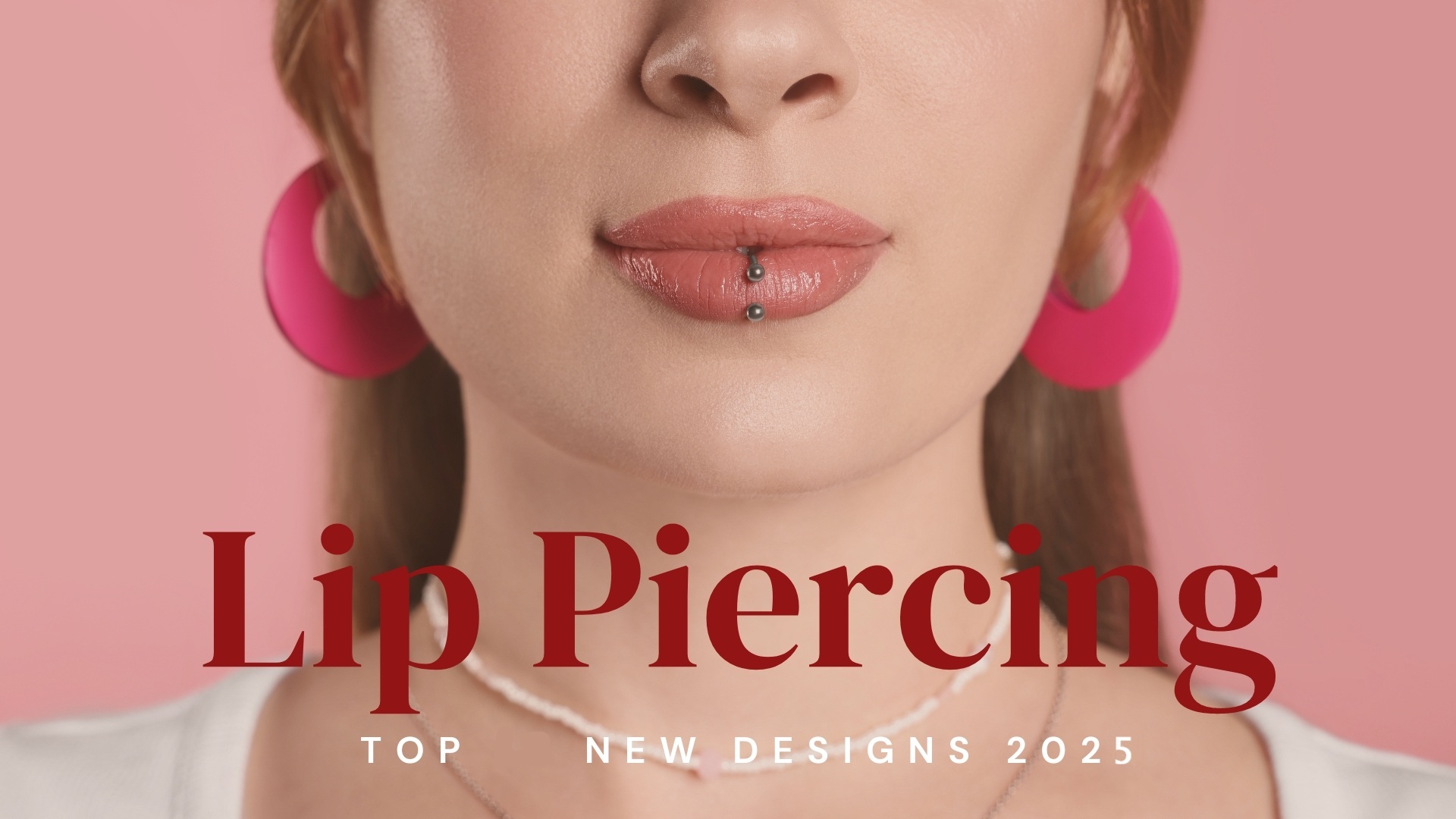
lip piercing London
The Diverse World of Lip Piercings: A Glossary of Styles
The term “lip piercing” is an umbrella that covers a wide variety of specific placements around the mouth. Understanding this glossary is the first step in finding the style that truly speaks to you. We can categorise them into single placements, paired placements, and vertical placements.
Single, Central Placements: The Solo Statements
These piercings are placed on the vertical midline of the face, creating a focal point of beautiful symmetry.
- The Labret Piercing: This is the classic, foundational lip piercing. A “true” labret is a single piercing placed centrally, just below the bottom lip in the small divot above the chin. It is one of the most versatile and universally flattering placements.
- Initial Jewellery: It is always pierced with a flat-back labret stud with a longer initial post to accommodate for significant swelling.
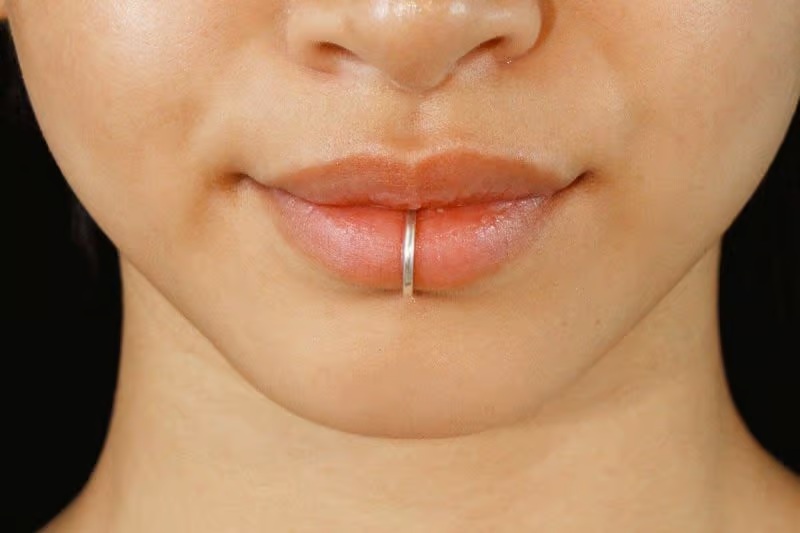
- Styling a Healed Labret: Once fully healed, the options are endless. You can wear a snug-fitting seamless ring, a decorative clicker, or a huge variety of decorative ends on a shorter stud, from simple polished discs to sparkling diamonds.
- The Medusa Piercing (Philtrum): The elegant counterpart to the labret, the Medusa is a single piercing placed in the philtrum—the grooved area in the centre of your upper lip.
- Precision is Key: This piercing demands exceptional accuracy from the artist, as even a slightly off-centre placement can disrupt the symmetry of the face. It requires a piercer with a very steady hand and a great eye.
- Initial Jewellery: Like the labret, it is pierced with a flat-back labret stud.
- Styling a Healed Medusa: A healed Medusa is the perfect showcase for a single, stunning decorative end. Intricate gold designs or brilliant gemstones look particularly beautiful in this placement, making it a sophisticated centrepiece.
Single, Side Placements: The Asymmetrical Accent
These piercings are inspired by the iconic beauty marks of Hollywood starlets, designed to add a touch of glamour and asymmetrical interest.
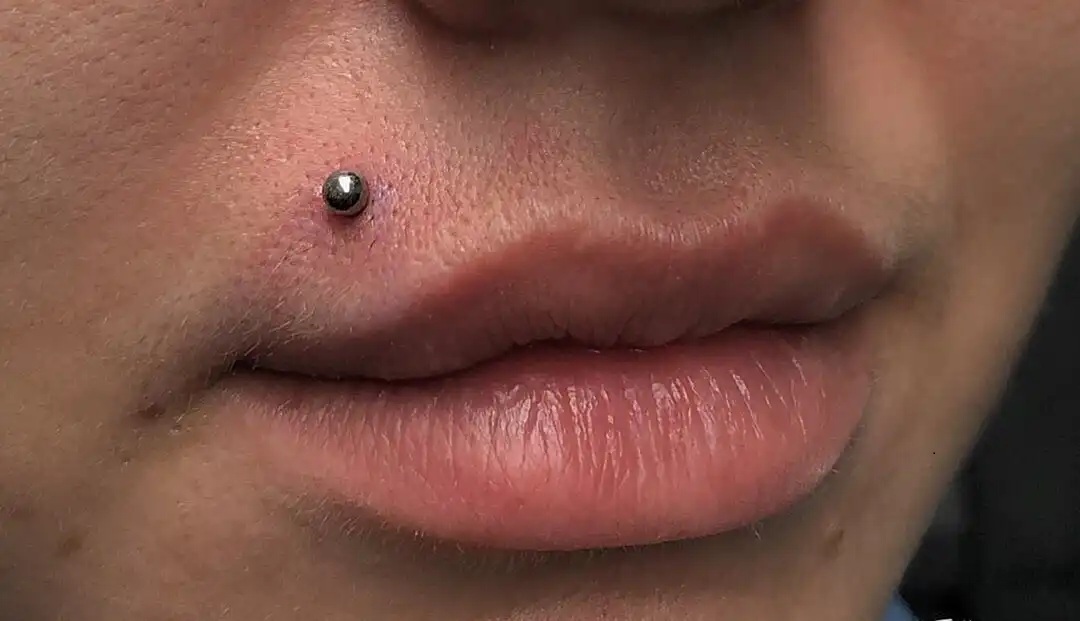
- The Monroe Piercing: Placed on the left side of the upper lip, mimicking Marilyn Monroe’s famous beauty mark.
- The Madonna Piercing: Placed on the right side of the upper lip, named for the pop icon.
- The Crawford Piercing: A less common variation, placed lower down and further to the side, similar to Cindy Crawford’s mole.
- Initial Jewellery: All these placements are performed with a flat-back labret stud.
- Styling: They are almost exclusively worn with a stud to maintain the “beauty mark” illusion. A simple metallic ball or a sparkling gem are the classic choices.
Paired Placements: The Art of the “Bites”
The “bites” are a collection of paired piercings that create a bold, symmetrical, and intentional look. They are a defining feature of many modern alternative lip piercing London styles.
- Snake Bites: The most popular of the “bites.” This consists of two separate piercings, one placed on the right and one on the left side of the lower lip, creating a beautifully balanced and symmetrical look. They can be styled with either studs or hoops once healed.
- Angel Bites: The upper-lip equivalent of snake bites. This is a combination of a Monroe on the left and a Madonna on the right, creating a symmetrical pair above the top lip.
- Spider Bites (or Viper Bites): Two separate piercings placed very close together on one side of the lower lip. This creates a more concentrated, clustered, and edgier look than the wider spacing of snake bites.
- Dolphin Bites: Two piercings placed close together, centrally, just below the bottom lip. A tighter, more focused version of the labret.
- Cyber Bites: A powerful vertical combination of a Medusa piercing above the upper lip and a Labret piercing below the bottom lip, creating a stark line of symmetry down the centre of the face.
- Dahlia Bites: A unique and advanced piercing, with one stud placed at each corner of the mouth, accentuating the smile.
lip piercing London
Vertical Placements: Defying Convention
These piercings are unique in that they do not enter the mouth at all. They pass vertically through the tissue of the lip itself, with both ends of the jewellery visible on the outside.
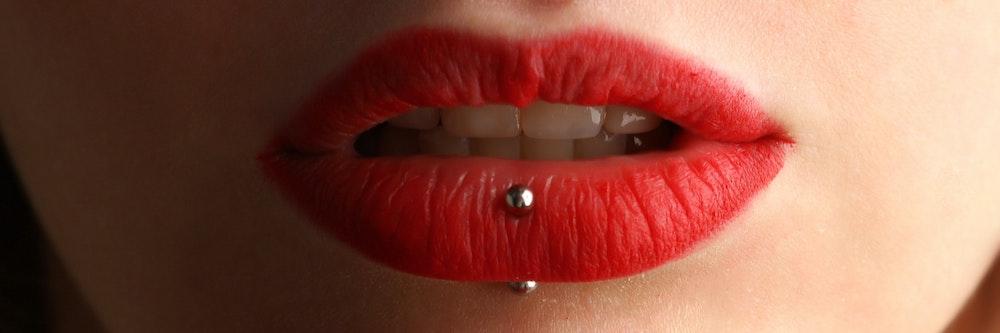
- The Vertical Labret: A piercing that enters just below the border of the bottom lip and exits at the very top of the lip. It is pierced with a curved barbell.
- The Dental Advantage: The major benefit of this piercing is that no part of the jewellery ever touches your teeth or gums, completely eliminating the risk of dental damage.
- The Jestrum (or Vertical Medusa): The upper-lip equivalent. It enters the philtrum and exits at the top of the upper lip’s cupid’s bow, pierced with a curved barbell. Like the vertical labret, it is a tooth-and-gum-safe option.
The Professional Consultation: More Than Just Marking a Spot
The success of any lip piercing in London begins with a thorough, expert consultation. This is a critical step that is often overlooked in low-quality studios. A professional piercer is not just a technician; they are a consultant who must assess your anatomy and lifestyle to ensure the piercing is both beautiful and safe in the long term.
The Oral Anatomy Check: Protecting Your Future Smile
This is the most important part of the consultation. A responsible piercer will ask you to open your mouth and will take a close look at the internal structures. They are assessing for several key factors:
- Gum Recession: Do you have any pre-existing gum recession? If so, certain placements might exacerbate the issue.
- The Frenulum: They will check the position of your labial and lingual frenulum (the small webs of tissue connecting your lips and tongue to your gums). A piercing must be placed to avoid interfering with these structures.
- The “Smile Test” and Lip Movement: The piercer will ask you to smile, talk, and move your lips naturally. This allows them to see how the tissue moves and to choose a placement that will not only look good when your face is at rest, but will also be comfortable and aesthetically pleasing when you express yourself.
Lifestyle Considerations
A great piercer will also conduct a brief “lifestyle interview.” They will ask about:
- Your Profession: Do you play a wind or brass instrument? This can be significantly impacted by a lip piercing. Do you work in an environment where you need to be able to hide it?
- Your Habits: Are you a chronic lip-biter? This can be a major issue for healing.
- Contact Sports: Do you regularly play a sport where you might get hit in the face?
This thorough, holistic approach is the hallmark of a top-tier studio. It demonstrates a commitment to your long-term health and well-being, not just the immediate result.
The Procedure: A Guide to the Safe and Professional Process
Once the consultation is complete and the perfect placement has been agreed upon, the procedure itself is a clinical and meticulous process.
- The Sterile Setup: You will be taken to a private, clinical-grade procedure room where you will lie down comfortably. The piercer will set up a sterile field with all their single-use equipment.
- Meticulous Marking: The piercer will thoroughly disinfect the area inside and outside your mouth. They will then use a sterile skin marker to place a small dot. This is a collaborative step. You will be given a mirror and as much time as you need to inspect the mark from every angle. The piercing will only proceed once you have given your enthusiastic approval.
- The Piercing Moment: The piercer will coach you through your breathing, asking you to take a deep breath in and then a long, slow exhale. On the exhale, they will pass the single-use, sterile needle through in one smooth, quick, and controlled motion.
- Jewellery Insertion: The flat-back labret stud is then seamlessly inserted into the new channel, often with the help of a sterile insertion taper to ensure a trauma-free transfer. The decorative end is secured, the area is cleaned one final time, and the procedure is complete.
lip piercing London
An Honest Assessment of the Pain
Lip piercings are generally considered to be quite manageable on the pain scale, typically a 4-6 out of 10. The tissue is fleshy and the procedure is very quick. The sensation is a sharp, distinct pinch that often makes your eyes water. The most significant discomfort comes from the swelling in the days after the piercing, rather than the piercing itself.
The Healing Journey: Your Guide to Oral Aftercare
Healing a lip piercing requires a diligent, two-part aftercare routine. You have to care for both the outside of the piercing and the inside.
The Healing Timeline and Managing Swelling
- Initial Healing: The first 6-8 weeks are the crucial initial healing period. Swelling is the biggest factor to manage. It will be most significant in the first 3-5 days. Gently sucking on ice chips and taking over-the-counter anti-inflammatories (like ibuprofen, if safe for you) can help.
- Full Maturation: For the internal fistula to become fully strong and stable, it takes around 4-6 months.
The Two-Part Aftercare Routine
- Outside Care: Clean the external part of the piercing 1-2 times a day with a sterile saline solution spray. Pat it dry with a clean paper towel.
- Inside Care: You must rinse the inside of your mouth with an alcohol-free, antimicrobial mouthwash for 30-60 seconds after you eat, drink anything other than water, or smoke. This is essential to flush away food particles and bacteria.
The CRITICAL Downsize Appointment
This is non-negotiable for any lip piercing in London. We will pierce you with an initial labret post that is extra long to allow for swelling. After 2-4 weeks, once this swelling has gone down, you must return to the studio for a downsize. We will swap the long bar for a shorter, perfectly fitted one. Failing to do this is the number one cause of long-term dental damage, as the long bar will constantly rub against your teeth and gums.
lip piercing London
Frequently Asked Questions (FAQ)
1. Will a lip piercing definitely damage my teeth and gums?
If it is performed correctly by a professional, downsized at the appropriate time, and fitted with high-quality, flat-back jewellery, the risk of dental damage is significantly minimised. The vast majority of damage is caused by poorly placed piercings, wearing hoops too early, or failing to downsize the initial long bar. Vertical placements like the Vertical Labret and Jestrum carry zero risk of dental damage.
2. Can I get pierced with a ring in my lip straight away?
No. A reputable piercer will not do this. A ring moves excessively, which will cause significant irritation, prolong the healing process, and can even lead to migration and scarring. You must start with a flat-back labret stud and wait until the piercing is fully healed (4-6 months) before switching to a ring.
3. What can I eat and drink after getting a new lip piercing?
For the first week, you should stick to soft, cool foods that don’t require a lot of chewing. Avoid anything excessively hot, spicy, salty, or acidic, as these can irritate the fresh wound. Be very careful with “stringy” foods like noodles or melted cheese. Drink plenty of cold water. And, of course, avoid alcohol for the first few days as it can increase swelling.
4. How much does a professional lip piercing cost in London?
For a high-quality lip piercing London in 2025, you should expect to pay a service fee of around £35-£55, plus the cost of the initial implant-grade titanium labret stud, which typically starts around £25-£40. Paired piercings like snake bites will have a higher service fee.
5. How can I hide my lip piercing for work or school?
For a healing piercing, this is difficult. Once healed, you can wear a discreet, clear glass or skin-tone retainer. For some placements, a very small, flat disc end in a colour that matches your skin tone can be very subtle. If you require absolute invisibility, a lip piercing may not be the right choice for you.