
Expert Comparison of VCH vs. HCH Piercings: Which Is Better Suited for Your Anatomy?

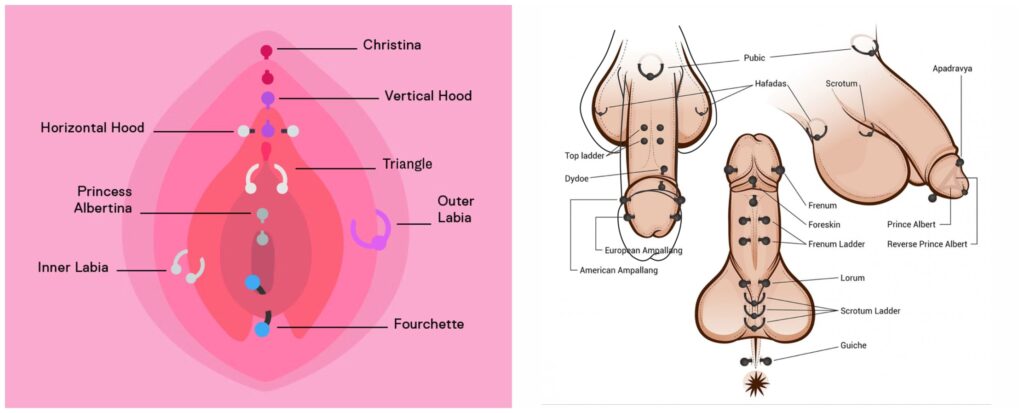
Embarking on the journey of genital body art is a profound step toward claiming bodily sovereignty and celebrating your unique physiology. However, navigating the world of female anatomy piercing requires more than just aesthetic desire; it demands a rigorous understanding of your own biological structure. In this foundational chapter, we will clinically explore the core distinctions between the two most prominent hood modifications, demystify the anatomical prerequisites, and explain exactly why the professionals at pinktatpier studio prioritize your physical safety above all else.
Expert Comparison of VCH vs. HCH Piercings
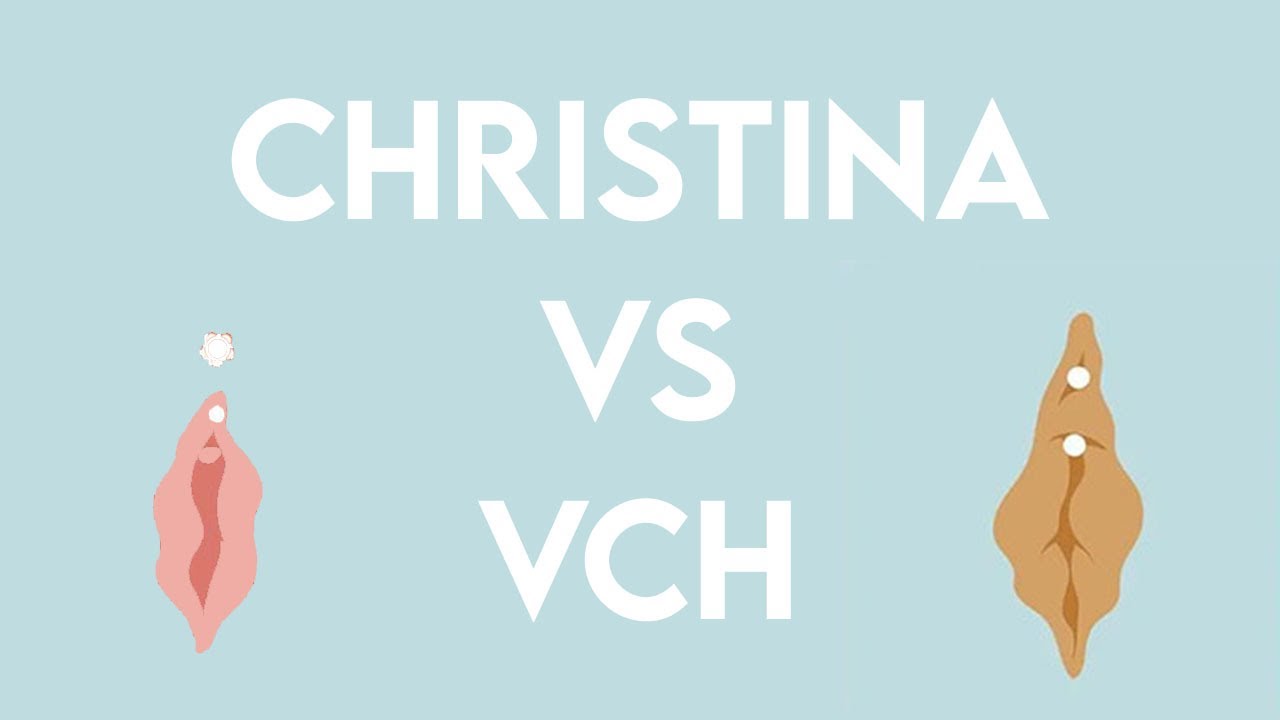
To make an informed decision regarding a VCH vs HCH piercing, we must first establish a clear, medical understanding of the target tissue. It is a fundamental, non-negotiable fact of professional body modification that both of these piercings exclusively involve the prepuce—the protective fold of skin that rests over the clitoris. They never, under any circumstances, pierce or puncture the highly sensitive glans clitoris itself. The structural distinction between the two lies entirely in the directional path the needle and jewelry take through that protective hood.
The Vertical Clitoral Hood (VCH) piercing is executed by passing vertically from the upper, external fold of the prepuce down through the underside of the tissue. The bottom bead of the jewelry emerges from beneath the hood, resting naturally against the top of the glans. This vertical orientation is what primarily drives VCH stimulation, though the depth of that sensation depends entirely on your unique anatomy.
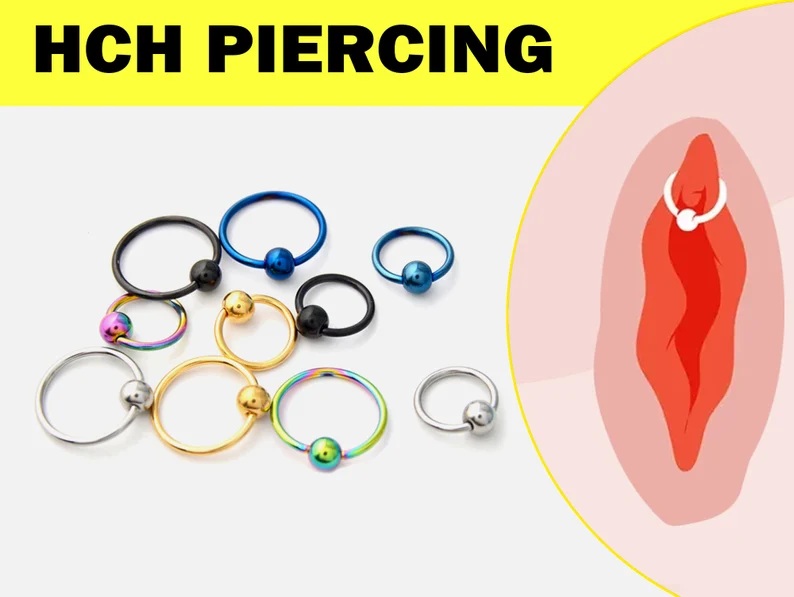
Conversely, the Horizontal Clitoral Hood (HCH) piercing follows a lateral path. It passes horizontally from left to right directly across the superficial, upper ridge of the hood. Because it sits entirely on the exterior fold and does not pass under the prepuce to interface with the glans, the horizontal clitoral hood piercing is categorized structurally as a surface-level tissue piercing rather than a mechanically stimulating one.
VCH vs. HCH Piercing
The Critical Role of Individual Anatomy: Size, Shape, and Hood Depth
One of the most vital lessons we teach at pinktatpier studio is that you do not simply choose your genital piercing; your anatomy dictates what your body can safely support. The vulva is as biologically distinct as a fingerprint, and not everyone possesses the structural requirements for a hood piercing. Attempting to force a specific modification onto unsuited anatomy can result in severe tissue migration, painful rejection, or chronic discomfort.
For a VCH, the hood must possess a sufficient “pocket”—a naturally occurring gap between the underside of the prepuce and the glans itself. Furthermore, the skin of the hood must be pliable and long enough to house the jewelry without pulling the tissue taut or putting undue pressure on the nerve center below.
The HCH, on the other hand, requires a pronounced, distinct fold of tissue at the top of the hood that can be safely pinched and pierced across its width. If the hood sits entirely flush against the body, or if the tissue lacks a defined ridge, a horizontal placement will likely suffer from high surface tension and ultimately reject. Understanding these strict biological parameters is the first step toward a successful, lifelong modification.
VCH vs. HCH At a Glance: Key Anatomical Requirements
| Anatomical Feature | Vertical Clitoral Hood (VCH) Requirement | Horizontal Clitoral Hood (HCH) Requirement |
| Hood Depth (Pocket) | Deep enough to fully accommodate the bottom bead of a curved barbell. | Not applicable; piercing sits superficially across the top ridge. |
| Tissue Fold Length | Must be long enough to cover the glans and support a vertical channel safely. | Must have a distinct, pronounced, and pinchable lateral ridge. |
| Tissue Thickness | Requires moderately thin, pliable tissue for a safe, swift vertical passage. | Requires enough structural integrity to prevent horizontal surface rejection. |
| Glans Placement | Glans must sit recessed enough to avoid constant, crushing pressure from the jewelry. | Glans placement is secondary, as the piercing does not rest beneath the hood. |
Performing the Q-Tip Test for Piercing Suitability at Home
Before booking an appointment, many clients wish to perform a preliminary, self-guided assessment of their anatomy. The standard method for evaluating your own pocket depth is the Q-tip test for piercing. While this does not replace a professional evaluation, it is a highly empowering way to understand your own structural limits.
To perform this test safely, you must begin with thoroughly washed hands and a clean, medical-grade cotton swab. Apply a generous amount of sterile, water-based personal lubricant to the tip of the swab to ensure zero friction. Lie back in a comfortable, relaxed position and use one hand to gently lift the clitoral hood upward. With your other hand, carefully slide the lubricated cotton swab upward into the space between the hood and the glans.
If the swab easily slides up under the hood far enough that the cotton tip is entirely hidden (approximately a quarter-inch or more) without causing any pain or resistance, you likely possess the requisite pocket depth for a VCH. If the swab cannot enter the space, or if the hood is tightly fused to the glans, a VCH is medically contraindicated for your anatomy.
Why Anatomy Consultations at pinktatpier Studio are Mandatory
While the at-home Q-tip test provides a baseline understanding of your body, it is merely the first step. At pinktatpier studio, we operate under a strict protocol that requires a mandatory, in-person anatomy consultation prior to any procedure. Our environment is entirely sterile, clinical, and judgment-free, ensuring you feel completely safe and respected during your visit.
During this private consultation, a highly specialized female genital piercer will gently examine the structure, vascularity, and tissue integrity of your prepuce. We assess not only the pocket depth but also how your body moves naturally, anticipating how the tissue will accommodate swelling and daily friction. This is an collaborative, empowering dialogue where we discuss your physical realities and map out the safest possible placement.
If we determine that your anatomy cannot safely support a VCH or an HCH, we will candidly explain the physiological reasons why. We refuse to compromise your health or comfort for a procedure that your body simply cannot sustain. Our ultimate goal is to provide you with a stunning, comfortable modification that harmonizes flawlessly with your unique biological blueprint.
Functional vs. Visual Appeal: VCH Stimulation and Aesthetic Outcomes
Transitioning from structural prerequisites, we must now evaluate the primary motivations driving clients to our doors at pinktatpier studio: function and form. Once we have clinically confirmed your anatomical viability, the conversation shifts to how these modifications interact with your daily life and intimate experiences. The most frequent question posed to our senior piercers is simply, “Which one feels better?” To answer this comprehensively, we must dissect the biomechanics of both options. This chapter explores the dynamic relationship between jewelry placement, localized friction, and visual outcome, ensuring you select the modification that aligns perfectly with your personal goals.
The Mechanics of VCH Stimulation: Direct vs. Indirect Contact
When clients inquire about heightened sensation, the conversation almost exclusively centers on the Vertical Clitoral Hood piercing. The fundamental architecture of the VCH is designed specifically to facilitate mechanical interaction with the glans clitoris. Because the jewelry channel runs vertically through the tissue, the bottom bead of the curved barbell exits beneath the prepuce. This allows the smooth, medical-grade metal sphere to rest naturally and directly against the highly innervated tissue of the glans.
The resulting VCH piercing stimulation delivers direct, localized friction. As the body moves through walking, shifting postures, or targeted intimate contact, the hood shifts, causing the metal bead to gently graze or press against the nerve center. This constant or applied pressure can significantly amplify baseline arousal. It is crucial to understand that the jewelry acts as a precise conduit; it transfers external pressure applied to the hood directly down to the glans. For individuals seeking a functional upgrade to their sexual anatomy, this localized, downward pressure is scientifically engineered to enhance sensory feedback without ever compromising the delicate nerve structures themselves.
Why the HCH is Primarily an Aesthetic Enhancement
In contrast, the Horizontal Clitoral Hood piercing serves an entirely different primary function. Because the tissue channel runs laterally across the uppermost ridge of the prepuce, the jewelry—typically a captive bead ring or a seamless hoop—sits above the nerve center like a decorative canopy. It does not pass beneath the fold, meaning there is absolutely no metal component resting beneath the hood against the glans.
Consequently, Horizontal clitoral hood aesthetics are the main driving factor for this specific modification. Visually, it provides a stunning, symmetrical framing of the vulva, often favored for its delicate and balanced appearance. While it does not offer the direct, targeted friction of the VCH, it is inaccurate to claim it provides zero sensory feedback. The added weight of the jewelry on the upper hood can create a subtle, generalized awareness of the area. However, from a strictly clinical standpoint at pinktatpier, we explicitly counsel clients that the HCH should be pursued for its striking visual impact rather than an expectation of amplified sexual mechanics.
Functional Comparison: VCH (Stimulation Focus) vs. HCH (Aesthetic Focus)
| Functional Metric | VCH (Vertical Clitoral Hood) | HCH (Horizontal Clitoral Hood) |
| Primary Objective | Enhanced mechanical stimulation and focused sensory feedback. | Visual enhancement and highly symmetrical framing of the anatomy. |
| Jewelry Interaction | Bottom bead rests directly against the glans clitoris beneath the hood. | Jewelry acts as a “canopy,” sitting horizontally across the upper exterior ridge. |
| Friction Type | Direct, localized pressure and friction transferred straight to the nerve center. | Indirect, generalized weight on the upper tissue; negligible direct glans contact. |
| Visual Profile | Elongated, top-to-bottom aesthetic that highlights vertical anatomical lines. | Symmetrical, lateral framing that elegantly crowns the top of the prepuce. |
| Everyday Awareness | High; routine movement translates to direct sensory feedback against the glans. | Low to Moderate; awareness is primarily due to the subtle, external weight of the metal. |
Lifestyle Considerations: Movement, Friction, and Sexual Function
Your body is in constant motion, and introducing a piece of medical-grade titanium into a highly mobile, friction-prone area requires lifestyle foresight. At pinktatpier studio, we emphasize that the functional differences between these piercings extend far beyond the bedroom.
With a VCH, the constant proximity to the glans means that even mundane activities like cycling, horseback riding, or wearing tightly structured clothing (such as heavy denim) can trigger intense sensory feedback. For many, this is the desired outcome; for others, it can border on overstimulation during inappropriate times. The vertical orientation also means the jewelry is highly responsive to manual manipulation during sexual function, acting as a highly efficient tool for transferring rhythmic pressure directly to the sweet spot.
Conversely, the horizontal placement of the HCH generally makes it more unobtrusive during rigorous daily physical activities. Because it rests superficially across the top ridge, it is less likely to be aggressively compressed against the glans by tight clothing or specific seating postures. During intimacy, the HCH adds a beautiful visual element and a slight, weighted pull on the upper tissue. However, it requires standard manual or oral techniques to achieve climax, as the piercing itself is not doing the mechanical work of direct stimulation.
VCH vs. HCH Piercing
Setting Realistic Expectations for Sensation Changes
As anatomical experts, it is our ethical duty to ground our clients in physiological reality. While the mechanics of VCH piercing stimulation are well-documented and celebrated, individual neurological responses vary wildly. Introducing metal to the genital region does not rewrite your central nervous system. If you traditionally require highly specific, intense stimulation to achieve arousal, a VCH will act as a phenomenal supplementary tool, but it is not a magical cure for underlying anorgasmia.
Similarly, those opting for the striking Horizontal clitoral hood aesthetics must recognize their limits. The tissue supporting the jewelry may experience slight desensitization directly at the fistula (the piercing channel) due to the presence of a foreign object, though this never affects the sensitivity of the clitoris itself. Our goal at pinktatpier is empowerment through total education. By understanding the precise biomechanics—whether you are seeking the targeted, frictional interface of the vertical placement or the beautifully structured canopy of the horizontal design—you are equipping yourself to make a decision that will genuinely elevate your relationship with your own body.
Navigating the Procedure: Pain Management and Expert Techniques
Entering the studio room is often the most nerve-wracking part of the body modification journey. Once a client understands their anatomical suitability and aesthetic goals, the immediate psychological hurdle becomes the anticipation of the needle. At pinktatpier, we recognize that genital modifications carry a unique, deeply personal weight, and the fear of the unknown can be daunting. This chapter is dedicated to dismantling procedural anxieties with hard, anatomical facts. We will break down exactly what happens in the chair, analyzing the neurological realities of the tissue to prove that the process is significantly faster, safer, and easier than internet rumors suggest.
Dispelling the Myth: Why Neither Piercing Touches the Actual Clitoris
The single most pervasive fear surrounding any hood modification is the terror of permanent nerve damage and the subsequent loss of intimate sensation. Let us address this categorically and clinically: when performed by a qualified expert, neither the VCH nor the HCH intersects with the complex nerve matrix of the clitoris itself.
The glans clitoris contains thousands of dense nerve endings responsible for sexual response and arousal. However, the prepuce—the thin fold of skin we actually pierce—is merely a protective anatomical sheath. Its neurological makeup is far less dense, more akin to the sensory network found in the skin of your earlobe or eyebrow. Because the needle path for both variations strictly isolates this superficial layer of tissue, the critical nerve center remains entirely untouched and completely safe. This structural separation guarantees that disastrous outcomes, such as localized paralysis or numbness, are an anatomical impossibility under professional execution. The jewelry passes through the hood, never the sensory organ beneath it.
Comparing the Pinch: Which One Hurts Less?
When clients anxiously ask us to evaluate the VCH vs HCH pain level, the clinical answer often brings immense relief. Because the target area is just a thin fold of skin, the sensation is best described as a sharp, intense pinch that dissipates almost immediately. The actual puncture lasts barely a second. However, there are slight variances in the sensory experience between the two placements due to the directional path of the needle.
The vertical route of the VCH requires the needle to pass from the top of the hood down through the underside. While incredibly swift, this path traverses the entire vertical length of the prepuce. This brief journey through the tissue can trigger a sharp, sudden intake of breath. Conversely, the horizontal path of the HCH crosses the lateral ridge. Depending on the thickness of this upper fold, the resistance might feel slightly different, often reported by clients as a highly localized, superficial sting rather than a deep pinch. In either case, the body’s localized endorphin rush immediately counteracts the fleeting sting, making the anticipated agony far worse than the physiological reality.
Pain & Procedure Breakdown: What to Expect for VCH and HCH
| Procedural Element | Vertical Clitoral Hood (VCH) | Horizontal Clitoral Hood (HCH) |
| Pain Scale (1-10) | Typically 3 to 4. Sharp, fast pinch. | Typically 3 to 4. Localized, superficial sting. |
| Needle Path | Top-down; passes vertically through the entire fold. | Side-to-side; passes laterally across the upper ridge. |
| Tissue Resistance | Minimal to moderate, depending on prepuce thickness. | Variable, depending on the density of the lateral fold. |
| Duration of Puncture | Approximately 1 to 2 seconds. | Approximately 1 to 2 seconds. |
| Primary Tool Used | Receiving tube (shielding the glans). | Pennington forceps or freehand stabilization. |
Clamp vs. Freehand Techniques: What to Expect in the Chair
The speed and comfort of your modification rely heavily on the mechanical approach utilized by the practitioner. For the VCH, piercers frequently employ a specialized receiving tube. This small, sterile, and hollow cylinder is gently slid beneath the prepuce, resting directly above the glans. It serves a critical dual purpose: it provides a rigid backing for the needle to pierce against, ensuring a perfectly straight vertical channel, and it acts as an impenetrable physical barrier.
By physically shielding the glans, the receiving tube ensures the needle tip cannot travel further than the intended exit point. For the HCH, the technique fundamentally shifts. Because the placement is lateral across the upper ridge, specialized Pennington forceps are often utilized. The forceps firmly clamp the specific horizontal section of tissue, isolating the area and restricting blood flow temporarily to naturally numb the pinch. This provides a perfectly aligned window for the needle to cross safely. While some highly advanced practitioners may opt for a freehand technique depending on tissue pliability, mechanical stabilization is always the priority to ensure a flawless trajectory.
The Sterile, Judgment-Free Environment at pinktatpier
The piercing procedure at pinktatpier is meticulously engineered to minimize both physical and psychological stress. From the moment you recline on our sterile, medical-grade procedural chair, you are in total control of the pacing. Our experts utilize guided breathing techniques, syncing the swift passage of the needle with your natural exhalation to effectively mitigate the body’s autonomic flinch response.
We exclusively use razor-sharp, single-use, tri-bevel needles coated in specialized medical lubricants, allowing them to glide through the prepuce with virtually zero drag. The studio environment is clinical yet profoundly supportive; there is no rushing, no judgment, and absolutely no pressure to proceed if you need a moment to recalibrate. We transparently explain every micro-step before it happens, ensuring you are mentally prepared for the setup, the deep breath, and the swift insertion. By combining state-of-the-art sterile protocols with a deeply empathetic bedside manner, our team guarantees a precise, efficient, and empowering experience that honors your vulnerability.
Selecting the Safest and Best Jewelry for Hood Piercings
Once the anatomical assessment is complete and procedural anxieties are put to rest, the next vital phase of your body modification journey involves selecting the correct hardware. At pinktatpier, we view jewelry not merely as an aesthetic accessory, but as a highly specialized medical implant. The physics of how a metal object interacts with mobile, sensitive tissue dictates the long-term viability of the piercing. In this chapter, we will clinically examine the structural necessities of specific jewelry shapes and materials.
Curved Barbells for VCH: The Standard for Comfort and Function
When engineering a successful vertical modification, the geometry of the jewelry must perfectly mimic the biological contours of the body. This is precisely why a VCH Curved Barbell is the absolute, non-negotiable standard for initial healing and long-term wear. The prepuce naturally slopes downward toward the glans. If we were to insert a rigid, straight barbell, the linear tension would force the piercing channels to pull awkwardly against the body’s natural curve, highly increasing the risk of pressure necrosis and migration.
Conversely, the VCH Curved Barbell possesses a gentle, ergonomic sweep that accommodates this biological slope. The physics of the curve allow the top bead to sit flush and comfortably on the upper exterior of the hood, while the sweeping post guides the bottom bead to tuck safely underneath. This shape prevents the jewelry from torquing or twisting during standard bodily movements. Furthermore, placing a ring in a fresh vertical channel creates a severe lever effect; every time the ring shifts, it drags crusties and bacteria directly into the healing fistula while pulling unevenly on the fragile new tissue. The curved barbell guarantees a stationary, comfortable, and biomechanically sound healing environment.
VCH vs. HCH Piercing
Captive Bead Rings and Seamless Rings: Enhancing the HCH
The structural requirements shift dramatically when we evaluate the lateral placement of the horizontal variation. Because the tissue channel crosses horizontally across the uppermost ridge of the prepuce, an HCH Captive Bead Ring or a circular barbell becomes the mechanically optimal choice.
The physics here involve spanning a specific width of tissue while allowing for the natural expansion and contraction of the skin. If a straight barbell were used horizontally, the inflexible balls at either end could aggressively dig into the surrounding labia majora or minora during daily activities like sitting, walking, or cycling. The continuous friction on the rigid ends would cause severe irritation. An HCH Captive Bead Ring, however, features a continuous, sweeping diameter that acts as a protective halo. The pierced tissue rests securely at the bottom of the ring’s curve, while the remaining diameter arches safely away from adjacent structures. This circular geometry diffuses physical pressure evenly across the entire piece rather than concentrating it at sharp entry and exit points, making the ring not just an aesthetic triumph, but a clinically sound necessity for horizontal hood modifications.
Optimal Jewelry Styles: VCH vs. HCH (Shape, Metal, and Sizing)
| Jewelry Metric | Vertical Clitoral Hood (VCH) | Horizontal Clitoral Hood (HCH) |
| Primary Shape | VCH Curved Barbell (Ergonomic slope). | HCH Captive Bead Ring or Circular Barbell. |
| Biomechanical Function | Mimics downward slope of the prepuce; prevents linear tension. | Spans lateral ridge; circular geometry diffuses pressure from adjacent labia. |
| Standard Gauge | 14g or 12g (prevents cheese-cutter effect). | 14g or 12g (ensures structural stability). |
| Initial Sizing Factor | Extra length on the barbell post to accommodate swelling. | Larger ring diameter to allow the ridge to swell without compression. |
| Mandatory Material | Implant-Grade Titanium (ASTM F136). | Implant-Grade Titanium (ASTM F136). |
The Absolute Necessity of Implant-Grade Titanium
The specific shape of the jewelry is entirely irrelevant if the biological composition of the metal is toxic to your body. At pinktatpier, we enforce a strict, zero-tolerance policy for substandard alloys. We exclusively utilize Implant-Grade Titanium (specifically ASTM F136 or F1295) for all initial hood piercings. The reasoning is deeply rooted in immunology and tissue safety.
Materials commonly marketed as “surgical steel” often contain unregulated percentages of nickel and carbon. In a highly vascular, mucosal-adjacent environment like the vulva, the body’s immune system can rapidly detect these microscopic impurities, triggering severe contact dermatitis. This allergic reaction mimics an aggressive infection—presenting as extreme swelling, redness, and discharge—and is a leading cause of tissue rejection. Implant-Grade Titanium, however, is exceptionally biocompatible, completely nickel-free, and highly resistant to breakdown from bodily fluids. It is the exact same elemental material utilized by orthopedic surgeons for life-long joint replacements. By installing titanium, we effectively neutralize the threat of metal toxicity, allowing your immune system to focus entirely on regenerating healthy cellular tissue around the new piercing channel rather than fighting off a foreign, toxic invader.
Sizing and Gauge Considerations to Accommodate Initial Swelling
Finally, the physical dimensions of your initial jewelry are crucial to an uncomplicated healing phase. A common misconception is that thinner jewelry is less painful or more delicate. In reality, inserting a highly thin wire (such as an 18g or 16g) into mobile genital tissue creates a severe laceration risk known clinically as the “cheese-cutter effect.” At pinktatpier, we strictly utilize a 14g or 12g thickness. This thicker gauge provides substantial surface area, stabilizing the piercing and preventing the metal from slicing through the tissue under tension.
Furthermore, your initial VCH Curved Barbell or HCH Captive Bead Ring will be noticeably longer or wider than your final aesthetic goal. This is a mandatory clinical precaution to accommodate the inevitable inflammatory response. If jewelry is fitted too snugly on day one, the swelling tissue will engulf the metal, leading to painful embedding and restricting vital blood flow. Once the primary swelling subsides after a few weeks, we require clients to return to the studio for a professional downsizing, swapping the longer initial post or wider ring for a perfectly fitted, permanent piece.
Promoting Healthy Recovery: Healing Timelines and Aftercare Protocols
Now that your anatomical suitability is confirmed and the jewelry is secured, your body immediately transitions into its natural restorative phase. At pinktatpier studio, we believe that a successful piercing is only partially reliant on the procedure itself; the remainder of the success rests entirely on your daily aftercare regimen. Fortunately, genital modifications boast some of the most efficient recovery rates of any body art. In this chapter, we will strictly outline the clinical healing timelines, the physiological reasons behind their rapid recovery, the precise sterile saline protocols required, and the specific wardrobe adjustments necessary to protect your investment from mechanical damage.
Comparative Healing Times: Which Piercing Recovers Faster?
One of the most reassuring biological facts we share with clients at pinktatpier is the extraordinary healing capacity of the vulva. The entire pelvic region is supported by an incredibly dense, highly active vascular network. This massive volume of blood flow constantly delivers oxygen, white blood cells, and vital nutrients directly to the trauma site, flushing away cellular debris and accelerating tissue regeneration at a remarkable pace. Because both piercings reside in an area naturally protected by your anatomy and garments, they heal significantly faster than cartilage or surface dermal modifications.
However, there is a slight, clinically recognized difference in their recovery trajectories based entirely on their physical placement. The Vertical Clitoral Hood (VCH) piercing typically exhibits the fastest healing timeline, averaging between 4 to 8 weeks for complete fistula maturation. Because the curved barbell is tucked vertically and nestled securely between the labia, it is naturally shielded from most external environmental friction. The tissue channel is effectively cocooned by the surrounding biological structures.
Conversely, the Horizontal Clitoral Hood (HCH) piercing generally requires a slightly extended timeline, averaging 6 to 8 weeks. Because the jewelry rests superficially across the uppermost exterior ridge of the prepuce, it is inherently more exposed to the elements. The captive bead ring or circular barbell must contend with constant micro-frictions from the natural shifting of the labia majora and the direct mechanical contact of your undergarments. This increased environmental exposure demands a slightly longer cellular stabilization period.
Daily Maintenance: Sterile Saline Soaks and Hygiene Best Practices
The foundation of rapid, complication-free healing is aggressive chemical minimalism. The genital micro-biome is highly delicate, and introducing harsh, caustic agents will universally stall the healing process and trigger severe dysbiosis. At pinktatpier, our absolute, non-negotiable cleaning protocol relies exclusively on 0.9% sterile saline wound wash. This precise isotonic ratio perfectly matches the natural salinity of your body’s blood and tears, allowing it to gently flush the piercing channel without dehydrating or damaging fragile new skin cells.
You must unequivocally discard any outdated internet advice recommending homemade sea salt pastes, antibacterial soaps, alcohol, hydrogen peroxide, or essential oils like tea tree. These substances are violently cytotoxic; they will destroy the newly forming cellular walls and drastically prolong your recovery.
Your daily regimen should consist of spraying the sterile saline directly onto the front and back of the piercing site twice a day—once in the morning and once in the evening. Allow the solution to saturate the tissue for roughly thirty seconds to soften any crystallized lymph fluid. Following the spray, step into a warm shower and allow clean water to gently run over the area, naturally rinsing away the softened debris. Do not actively twist, rotate, or force the jewelry back and forth through the tissue, as this acts like a microscopic serrated blade tearing the fresh fistula. Finally, gently pat the area completely dry using strictly sterile, non-woven medical gauze. Standard bath towels harbor massive colonies of bacteria and feature tiny woven loops designed to snag metal, making them strictly forbidden during the healing phase.
Healing Timeline & Care: VCH (4-8 weeks) vs. HCH (6-8 weeks)
| Recovery Metric | VCH (Vertical Clitoral Hood) | HCH (Horizontal Clitoral Hood) |
| Expected Healing Duration | 4 to 8 weeks (accelerated by protected placement). | 6 to 8 weeks (slightly extended due to exterior exposure). |
| Daily Cleaning Protocol | 0.9% sterile saline spray twice daily; warm water rinse. | 0.9% sterile saline spray twice daily; warm water rinse. |
| Primary Friction Source | Tight, structured seams (e.g., heavy denim, cycling shorts). | Direct contact with underwear fabric; lateral shifting. |
| Highest Snagging Threat | Loofahs in the shower; stray threads on towels. | Lace undergarments acting as a net for the ring. |
| Drying Method | Pat dry with sterile, non-woven gauze only. | Pat dry with sterile, non-woven gauze only. |
Mitigating Snagging Risks During Exercise and Intimacy
The most critical physical threat to your new piercing is not infection, but mechanical trauma. A single, violent snag can instantly tear the fragile prepuce tissue, resetting your healing timeline to day one or causing complete rejection. Wardrobe management is therefore a mandatory clinical consideration.
For the HCH, the most notorious culprit of mechanical trauma is lace underwear. The intricate, webbed patterns of lace act as a highly efficient net, easily catching the curvature of a captive bead ring or circular barbell. As you stand, sit, or undress, the fabric pulls the ring aggressively outward. We strongly advise strictly wearing smooth, breathable, 100% cotton undergarments throughout the entire 6 to 8-week healing window to eliminate this risk.
The VCH, while inherently safer from lace due to the sleek, tucked profile of the curved barbell, faces different environmental threats. Because the barbell aligns vertically, tight, non-yielding fabrics like heavy denim jeans, equestrian breeches, or compressive athletic wear can exert intense downward pressure on the top bead. This constant compression crushes the healing fistula and prevents proper fluid drainage. Opt for loose, unrestrictive clothing whenever possible. Furthermore, all unprotected sexual contact—both manual and fluid-based—must be strictly paused until the fistula is medically sealed by a professional to prevent cross-contamination and blunt force trauma.
VCH vs. HCH Piercing
Identifying Normal Healing Responses vs. Signs of Irritation
Understanding the visual language of your body’s immune response is paramount to a stress-free recovery. In the first two weeks, it is entirely normal to experience localized swelling, mild tenderness, and even slight hematoma (bruising) as the vascular tissue recalibrates. The most common feature of a healthy healing piercing is the secretion of a pale yellow or whitish, odorless fluid called lymph. This fluid dries into the crust you gently wash away daily and is a primary sign of healthy cellular turnover.
However, you must remain vigilant for clinical signs of distress. If the tissue suddenly becomes excessively hot to the touch, radiates throbbing pain unprompted, or begins secreting thick, green, foul-smelling purulent discharge, you may be facing a pathogenic infection or a severe material reaction. Do not attempt to self-diagnose or remove the jewelry yourself, as the metal acts as a vital drainage tube for the wound, preventing abscess formation. Instead, contact the clinical experts at pinktatpier immediately for a professional evaluation and guided medical intervention.
Answering Your Biggest Concerns: FAQs and Next Steps
As we conclude this comprehensive architectural guide to clitoral hood modifications, you are now equipped with the clinical knowledge required to make a safe, informed decision about your body. However, as senior piercers at pinktatpier, we know that the journey from theoretical understanding to actually sitting in the procedural chair comes with a host of highly specific, nuanced anxieties. In this final chapter, we will address the most highly searched, secondary logistical questions that clients bring to our studio, ensuring absolutely no stone is left unturned before you book your anatomy consultation.
Can I Get Both? The Feasibility of Multiple Hood Piercings
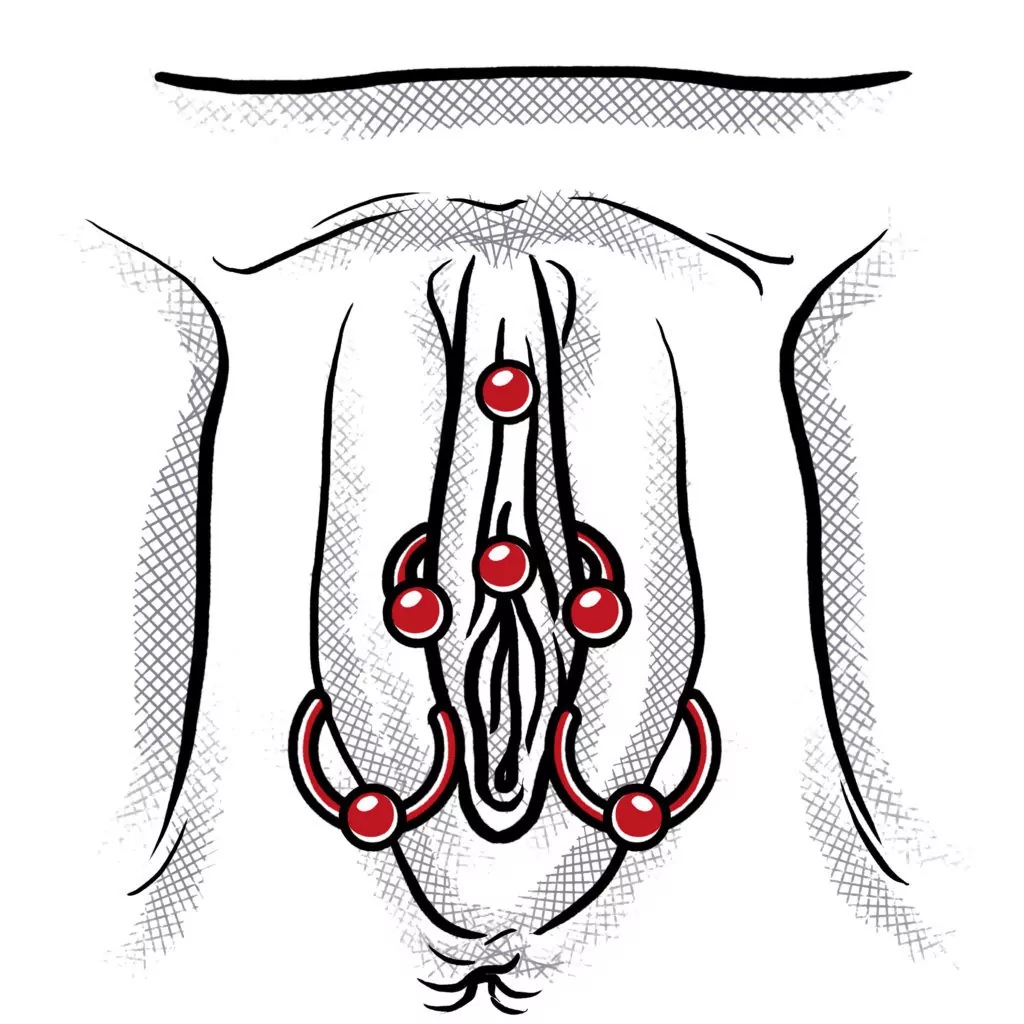
A frequent inquiry from our more enthusiastic clients is whether it is anatomically and mechanically possible to have both a vertical and a horizontal placement simultaneously. The short answer is yes, but the clinical reality is far more complex. Having both—often referred to as a “cross” or “T-bar” configuration—requires an extraordinarily specific biological blueprint. The prepuce must be exceptionally deep to house the VCH curved barbell, while simultaneously possessing a highly pronounced, thick upper ridge to support the HCH captive bead ring without the two pieces of metal colliding.
If the jewelry touches, the constant metal-on-metal friction can cause rapid tissue migration and severe irritation. Furthermore, at pinktatpier, we strictly advise against performing both procedures in a single session. Compounding the localized trauma drastically increases the inflammatory response, causing excessive swelling that can choke the jewelry. If your anatomy permits both, we enforce a strict, staggered approach: allowing the vertical channel to fully mature over two months before introducing the horizontal surface modification.
Navigating Your Cycle: Will it Interfere with Hygiene Products?
One of the most practical and highly searched concerns revolves around menstruation: “Will a hood piercing interfere with my cycle or hygiene products?” Biologically, neither the VCH nor the HCH has any physical interaction with the vaginal canal or the urethral opening. Because they are isolated entirely to the external prepuce, they will not alter your natural menstrual flow or urinary functions in any capacity.
However, your choice of hygiene product during the initial healing phase requires strategic modification. Internal products—such as tampons or medical-grade silicone menstrual cups—are entirely safe and actually highly recommended. Because they sit internally, they pose zero snagging risk to the fresh piercing. Conversely, external sanitary pads present a significant mechanical hazard, particularly for the horizontal variation. The textured, woven surface of a thick pad can easily catch on an HCH ring, and the constant friction against the top of a VCH barbell during walking can cause severe, abrasive trauma.
Exploring Alternatives: What Happens if I Don’t Have Enough Tissue for Either?
The most deeply disappointing moment for a client is discovering they do not possess the prerequisite anatomy for their desired modification. “What happens if I don’t have enough tissue for either?” is a question we handle with profound empathy and clinical pivoting at pinktatpier. If your clitoral hood is too flush, too small, or lacks a distinct ridge, forcing a VCH or HCH is medical negligence.
However, a lack of prepuce tissue does not exclude you from the empowering world of genital body art. Our anatomy experts are highly trained to evaluate alternative biological canvases. If the hood is unsuited, we seamlessly pivot the consultation to explore modifications like inner labia (labia minora) piercings, which frame the vestibule beautifully and heal incredibly fast. Alternatively, the outer labia (labia majora) or the Christina piercing (a surface piercing located on the mons pubis) offer stunning visual enhancements that require entirely different structural prerequisites. Your anatomy is not flawed; it simply requires a different aesthetic approach.
Myth vs. Fact Breakdown: Addressing Top Client Anxieties
| Client Concern | The Internet Myth | The Clinical Fact at pinktatpier |
| Urination | “The jewelry will make urine spray uncontrollably.” | Fact: Neither piercing interacts with the urethra. Urine stream remains completely unaffected. |
| Childbirth | “You must permanently remove hood piercings to give birth.” | Fact: They can be safely removed for delivery and immediately tapered back open post-partum. |
| Metal Detectors | “TSA or MRI machines will rip the jewelry out.” | Fact: Implant-grade titanium is non-magnetic. It is completely safe for MRIs and will not trigger airport scanners. |
| Shaving | “You can never shave or wax again.” | Fact: Hair removal is fine once healed, provided you are cautious. Chemical depilatories must always avoid the piercing channel. |
Preparing for Your Appointment: Pre-Piercing Do’s and Don’ts
Proper preparation drastically improves your physiological response in the procedural chair. In the 24 hours leading up to your appointment at pinktatpier, strictly avoid alcohol and heavy caffeine, as both act as blood thinners and can increase localized bleeding and swelling. You must eat a dense, nutrient-rich meal within two hours of your appointment to stabilize your blood sugar, which entirely prevents the lightheadedness associated with an adrenaline drop.
Regarding grooming, we ask clients to trim the surrounding hair with electric clippers rather than wet-shaving with a razor on the day of the procedure. Razors create invisible micro-abrasions and introduce localized bacteria that can easily migrate into the fresh piercing channel. We do not require you to be completely hairless; our experts easily navigate natural anatomy with sterile tools.
Booking Your Specialized Anatomy Consultation with pinktatpier Studio
Reclaiming your anatomy through body art is a powerful, transformative experience, and it demands an environment that honors that vulnerability. pinktatpier is internationally recognized for maintaining the highest global hygiene standards in the industry. Our studio operates as a completely private, sterile, and strictly judgment-free medical-grade sanctuary. We utilize state-of-the-art autoclaves, exclusively implant-grade titanium, and an unparalleled bedside manner to ensure your physical safety and emotional comfort are never compromised.
If you are ready to finally discover whether a Vertical or Horizontal Clitoral Hood piercing is the perfect complement to your unique biology, the next step is yours to take. Do not rely on guesswork or internet forums to dictate your bodily autonomy.
Book your private, mandatory anatomy consultation at pinktatpier today, and let our senior experts guide you safely toward the aesthetic and functional enhancement you deserve.