
Getting Your First Piercing in London: A Guide for Tourists and Newcomers

Welcome to London. You’ve arrived in one of the most exciting, culturally rich, and style-conscious cities on the planet. Whether you’re here for a once-in-a-lifetime holiday, a semester abroad, or to begin a new chapter of your life, the city’s energy is infectious. It’s a place that encourages self-expression, and for many, there’s no better way to commemorate this new beginning than with a permanent, personal piece of art—a first piercing.
A piercing is the ultimate souvenir. It’s a beautiful, lasting reminder of your time here, a story etched in skin that you will carry with you long after you’ve left. But in a city of nearly nine million people with a piercing studio on seemingly every corner, the sheer number of choices can be utterly overwhelming. How do you know where to go? Who can you trust? How can you be certain that your exciting experience won’t turn into a regretful one?
This is your definitive, expert guide. We understand the unique questions and concerns of someone new to the city. This article is designed to be your trusted companion, demystifying the entire process of getting your first piercing in London. We will walk you through the non-negotiable standards of safety you must look for, help you choose the perfect beginner-friendly piercing, explain the professional process from booking to aftercare, and provide crucial advice for healing on the go. Our goal is to empower you with the knowledge to make a safe, confident, and brilliant choice.
first piercing
Why London is a World-Class Destination for Body Piercing
Before we dive into the “how,” it’s worth understanding the “why.” Why is London one of the best cities in the world to get pierced? Because when you choose a reputable studio here, you are accessing a level of professionalism, artistry, and quality that is second to none.
A Hub of Unparalleled Skill and Artistry
London is a global magnet for creative talent, and the piercing industry is no exception. The city is home to a community of world-renowned piercers, artists who have dedicated their lives to the craft. These are not simply technicians; they are specialists in anatomy, masters of aseptic technique, and expert stylists who are at the forefront of the industry. Getting your first piercing in London means you have access to this incredible pool of talent. These artists are passionate about their work and are committed to providing an experience that is not just safe, but also artistically exceptional.
Strict Standards and Professional Oversight
The UK’s professional piercing industry is held to an incredibly high standard.
- Local Council Licensing: All legitimate piercing studios in London must be licensed by their local council. This involves regular health and safety inspections to ensure the studio meets rigorous standards for cleanliness, sterilisation, and waste disposal.
- The UKAPP Mark of Excellence: The UK is home to the UK Association of Professional Piercers (UKAPP), a non-profit health and safety organisation.1 Piercers who are members of the UKAPP have been vetted by their peers and have proven that they meet the highest global standards for hygiene, skill, and ethical practice. Looking for a UKAPP member is one of the best shortcuts to finding a trustworthy professional.
Access to the World’s Best Fine Body Jewellery
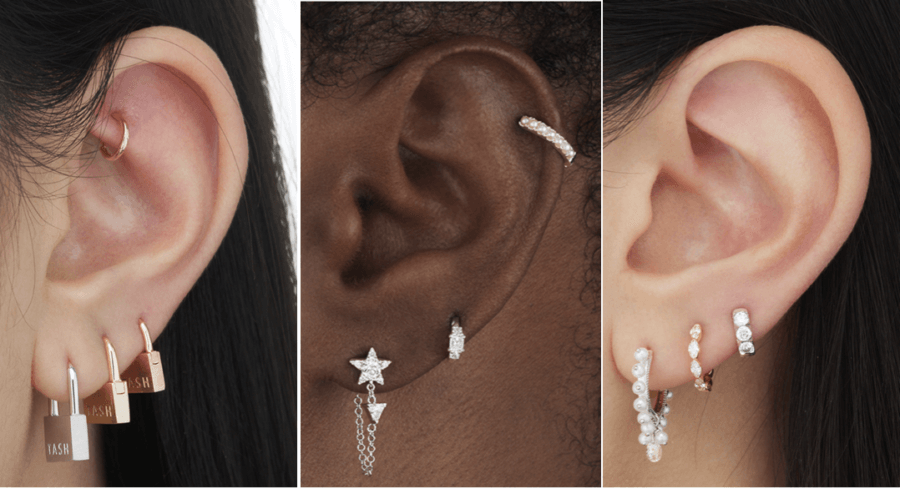
London is a major hub for the world’s leading designers of fine body jewellery. Reputable studios in the city carry stunning collections of implant-grade, body-safe jewellery made from solid gold, platinum, and genuine gemstones. This means your first piercing doesn’t have to start with a boring, basic stud. You can begin your journey with a beautiful, high-quality piece of art from day one.
first piercing
The Non-Negotiable First Step: How to Identify a Safe and Reputable Studio
This is the most critical section of this guide. Your health and safety are paramount. The following are the non-negotiable hallmarks of a professional studio. If a studio you visit fails on even one of these points, you should walk away immediately.
Needles vs. Piercing Guns: The Only Choice for Your First Piercing in London
Let us be unequivocally clear: a piercing gun should never be used for any piercing, especially not a first one. Any establishment offering to pierce you with a gun is not a professional studio.
- The Danger of Blunt Force Trauma: A piercing gun does not pierce; it uses a spring-loaded mechanism to force a blunt-ended stud through your tissue. This shatters the tissue, causes massive and unnecessary trauma, leads to excessive swelling, and can result in a painful, prolonged healing process and permanent scarring. A professional piercing needle, by contrast, is hollow and razor-sharp, creating a clean, precise channel that allows the body to heal much more effectively.2
- The Impossibility of Proper Sterilisation: Piercing guns are made of plastic and cannot be sterilised in a medical-grade autoclave, which uses high-pressure steam to kill all microorganisms. Wiping the gun with an alcohol swab between clients does not kill all bloodborne pathogens like Hepatitis B and C. This poses a direct and serious risk of cross-contamination.
- Unsuitable, Low-Quality Jewellery: The studs used in guns have “butterfly backs” that trap bacteria, are made from low-grade metal containing allergens like nickel, and are too short to accommodate for natural swelling.
A professional studio will only use a brand new, single-use, pre-sterilised needle for every piercing. This is the cornerstone of a safe experience.
The Professional Studio Checklist: What to Look For
As a newcomer to the city, use this checklist as your guide.
- ✅ Visible Cleanliness: The studio should be spotless. Floors, surfaces, and glass cases should be clean and dust-free. The procedure rooms should look clinical and well-maintained.
- ✅ Local Council License on Display: All studios are legally required to display their Special Treatment Licence from the local London council.3 It should be clearly visible in the waiting area.
- ✅ Professional Affiliations: Look for certificates indicating membership in organisations like the UKAPP. It’s a clear sign of a commitment to high standards.
- ✅ An Autoclave On-Site: A reputable studio will have a medical-grade autoclave for sterilising their reusable tools and will be proud to show it to you.
- ✅ Transparent Pricing: The pricing structure should be clear: a Service Fee for the procedure, plus the separate Cost of Jewellery. Be very wary of a single, suspiciously cheap “all-inclusive” price.
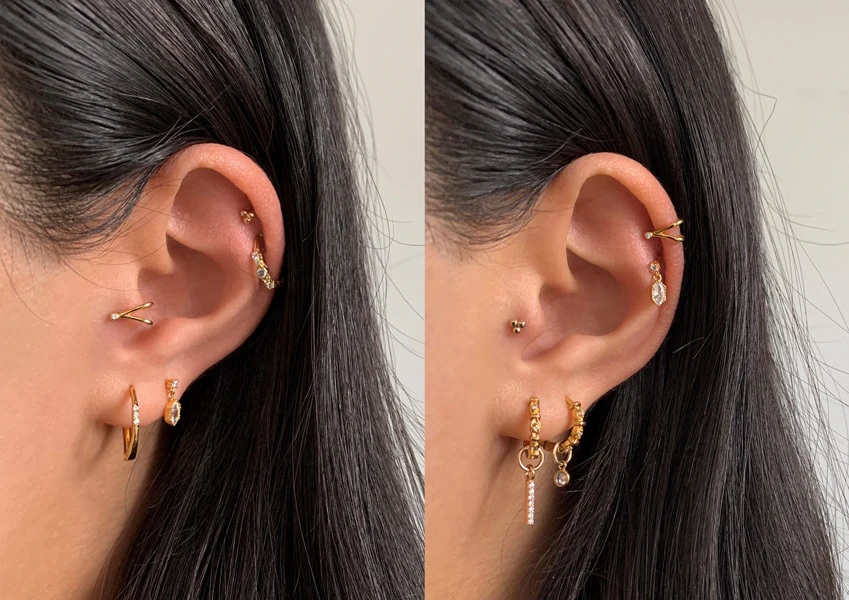
- ✅ High-Quality Jewellery Collection: The display cases should be filled with beautiful, high-quality jewellery. Look for implant-grade titanium and solid 14k/18k gold. The staff should be knowledgeable about their jewellery’s materials and designers.
- ✅ A Welcoming and Professional Attitude: The staff should be friendly, patient, and happy to answer all your questions. Any defensiveness or dismissal is a major red flag.
first piercing
Choosing Your First Piercing: The Best Options for Beginners
For your first piercing in London, it’s wise to choose a placement that is relatively straightforward to heal and manage, especially if you are travelling or have a busy student schedule. Here are our top recommendations for first-timers.
The Lobe Piercing: A Timeless Classic
- Why it’s great for beginners: The earlobe is fleshy, has an excellent blood supply, and is one of the fastest and easiest piercings to heal (typically 3-4 months).
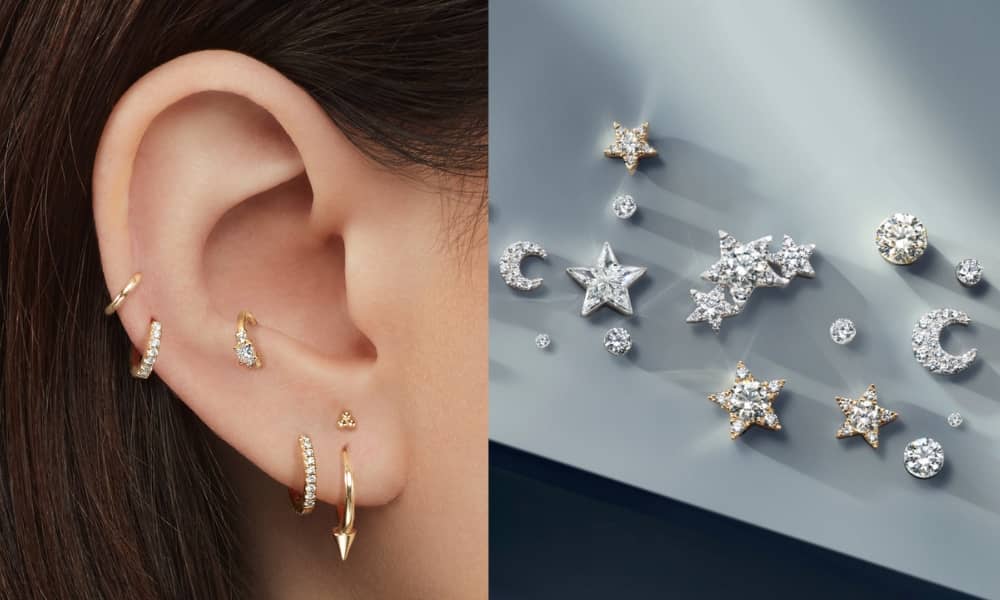
- Styling Potential: It’s incredibly versatile. You can start with a simple, elegant stud, or for a more modern look, consider a “stacked lobe”—a small, curated cluster of two or three delicate piercings.
- Pain Level: Very low. Most people describe it as a quick, mild pinch.
The Helix Piercing: The Iconic Cartilage Choice
- Why it’s great for beginners: The helix (the outer rim of the ear cartilage) is one of the most popular cartilage piercings for a reason.4 It’s highly visible, offers endless styling options (from studs to hoops once healed), and is relatively easy to care for.
- The Commitment: As it’s cartilage, the healing time is significantly longer, typically 6-12 months. You must be prepared for this long-term commitment and be diligent with aftercare.
- Pain Level: Low to moderate. A sharp, quick pinch that subsides quickly.
The Nostril Piercing: A Subtle and Elegant Statement
- Why it’s great for beginners: A nostril stud is a beautiful and subtle way to get a facial piercing. It heals relatively quickly (4-6 months) and can be styled with either a discreet stud or a hoop once fully healed.
- The Consideration: You need to be mindful of it when washing your face or blowing your nose.
- Pain Level: Moderate. The piercing itself is very quick, but it’s known to make your eyes water involuntarily!
The Septum Piercing: The Secretly Versatile Option
- Why it’s great for beginners: A correctly performed septum piercing goes through the soft “sweet spot,” not the cartilage, making it surprisingly quick to heal (4-8 weeks for initial healing) and relatively low on the pain scale.
- The Major Advantage: Its biggest benefit is that it can be completely hidden. When pierced with a circular barbell (“horseshoe”), it can be flipped up into the nostrils, making it invisible. This is perfect for anyone concerned about future job interviews or professional settings.
- Pain Level: Low to moderate, if done correctly. A sharp pinch that feels like you need to sneeze.
The Booking and Consultation Process: A London Guide
Reputable studios in London operate primarily on an appointment-based system. This is a sign of professionalism, ensuring each client gets the dedicated, un-rushed time they deserve.
Booking Your Appointment
Most top-tier studios have a user-friendly online booking portal. You can select your desired service, choose your piercer, and see their availability in real-time. To secure your appointment, a deposit is usually required. This is standard practice and confirms your commitment, with the amount being deducted from your final bill on the day.
first piercing
The Critical Consultation
The consultation is arguably the most important part of your first piercing London experience. This is where the collaboration begins. During your consultation, a professional piercer will:
- Discuss Your Vision: They will listen to your ideas and look at any inspiration photos you have.
- Perform an Anatomical Assessment: They will carefully examine the area you want pierced to ensure you are a suitable candidate. This honest assessment is vital for a successful outcome.
- Provide Styling Advice: They will help you choose the perfect piece of initial jewellery from their collection that is not only beautiful but also the correct size and style for optimal healing.
- Answer Your Questions: They will patiently answer every question you have, from pain to aftercare, ensuring you feel 100% comfortable and informed.
Don’t Forget Your ID!
In the UK, you must be at least 16 years old for most piercings (and will need parental consent), and 18 for others. You must bring a valid, government-issued photo ID to your appointment. For tourists, this means your Passport. A driving licence from a non-EU country is often not accepted. No ID means no piercing, with no exceptions.
Aftercare on the Go: Healing Your Piercing as a Tourist or Newcomer
Caring for a new piercing while travelling or navigating a new city requires a simple but diligent routine.
Your Essential, Travel-Friendly Aftercare Kit
You only need two things:
- Sterile Saline Solution Spray: This is your primary cleaning agent. You can purchase this from your piercing studio or find it in larger chemists like Boots (look for “wound wash” in a pressurised can). It’s portable and easy to use.
- Non-Woven Gauze or Clean Paper Towels: Used for gently patting the area dry after cleaning.
Navigating Travel with a New Piercing
- Flying: The change in cabin pressure can sometimes cause a new piercing to swell a little more than usual.5 This is normal. It’s a good idea to take an over-the-counter anti-inflammatory (like ibuprofen, if it’s safe for you) before your flight. Keep your saline spray in your carry-on luggage (ensure it’s under 100ml) so you can gently clean it during a layover or upon arrival.
- Sleeping in a New Place: For any new ear piercing, a travel pillow is a non-negotiable lifesaver. Sleep with your ear in the hole of the pillow to avoid putting any pressure on your new helix or lobe.
- The All-Important Downsize (For Tourists): Most cartilage piercings require a “downsize” after 4-8 weeks, where the initial long bar is swapped for a shorter one. If you will have already returned home by this time, it is essential that you plan for this. Before you leave London, ask your piercer to recommend a reputable studio in your home city (professionals in the UKAPP/APP network often know artists all over the world). You must book an appointment with that piercer for your follow-up. This is a critical step for long-term healing.
Frequently Asked Questions (FAQ)
1. How much should I budget for my first piercing in London?
For a high-quality piercing at a reputable studio in 2025, you should budget for a service fee (around £30-£55 depending on placement) plus the cost of basic, implant-grade titanium jewellery (around £25-£40). A safe and beautiful first piercing London will therefore cost approximately £55 to £95 in total.
2. I’m under 18. What are the piercing laws in the UK?
The law states that it is illegal to perform an intimate piercing on a person under 18. For other piercings, the age of consent is typically 16, but many reputable studios, including ours, have a strict 18+ policy for all piercings other than basic lobes, even with parental consent. Always check the specific studio’s age policy before booking.
3. I’m on holiday and really want to go swimming. Can I just cover my new piercing with a waterproof plaster?
Absolutely not. Waterproof plasters are not truly waterproof and will trap dirty water against your fresh piercing, creating a perfect breeding ground for a serious infection. You must not submerge a new piercing in a pool, hot tub, or the ocean for at least the first several weeks/months. Please plan your piercing for after your swimming holiday.
4. What should I do if I have a problem with my piercing once I’ve returned home?
The first step is to contact the studio where you got pierced. We can often provide advice via email or a video call. If the issue requires an in-person assessment (like a jewellery change or a check-up), you will need to find a reputable professional piercer in your local area. Use the same vetting criteria outlined in this guide (look for needle-only studios, check portfolios for healed work, look for members of professional organisations like the APP in the US).
5. How do I keep my new piercing clean while exploring a busy city like London?
The key is to avoid touching it. Your daily saline cleanings in the morning and evening are sufficient. While you are out and about on the Tube or in crowded places, the most important thing is to be mindful of it (don’t let it get snagged) and resist any urge to fiddle with it. Wash your hands frequently, and all will be well.
Conclusion
Getting your first piercing in London is an incredible way to mark your time in this iconic city. It’s an opportunity to claim a piece of its style and make it your own. By prioritising safety above all else—by choosing a professional, needle-only studio with a commitment to hygiene and quality—you transform the experience from a risky gamble into a sound investment. A beautiful, well-healed piercing is a sophisticated and permanent souvenir of your London adventure.