
Christina Piercing: Exploring Female Genital Aesthetics and Key Tips

The decision to acquire a genital piercing is deeply personal, marking a journey of bodily autonomy, self-expression, and reclamation of one’s physical form. Among the spectrum of female genital modifications, the Christina piercing stands out as a uniquely aesthetic choice. Unlike functional piercings designed primarily to enhance sexual stimulation, the Christina is fundamentally an aesthetic surface piercing. Its distinct appeal lies in its elegant vertical placement, sitting symmetrically at the apex of the vulva. For many women, this piercing serves as a beautiful, empowering adornment that reframes their relationship with their own anatomy, transforming a natural focal point into a curated piece of body art.
Christina Piercing: Exploring Female Genital Aesthetics and Key Tips
However, stepping into the realm of surface piercings requires a shift in expectation. Because both the entry and exit points rest entirely on the same flat plane of the body, it behaves fundamentally differently than traditional piercings that pass completely through a distinct flap of tissue. This structural reality makes it imperative to approach the Christina not just with aesthetic enthusiasm, but with a grounded, clinical understanding of tissue viability, surface tension, and the body’s natural healing mechanics.
Mapping the Placement: The Cleft of Venus and the Mons Pubis
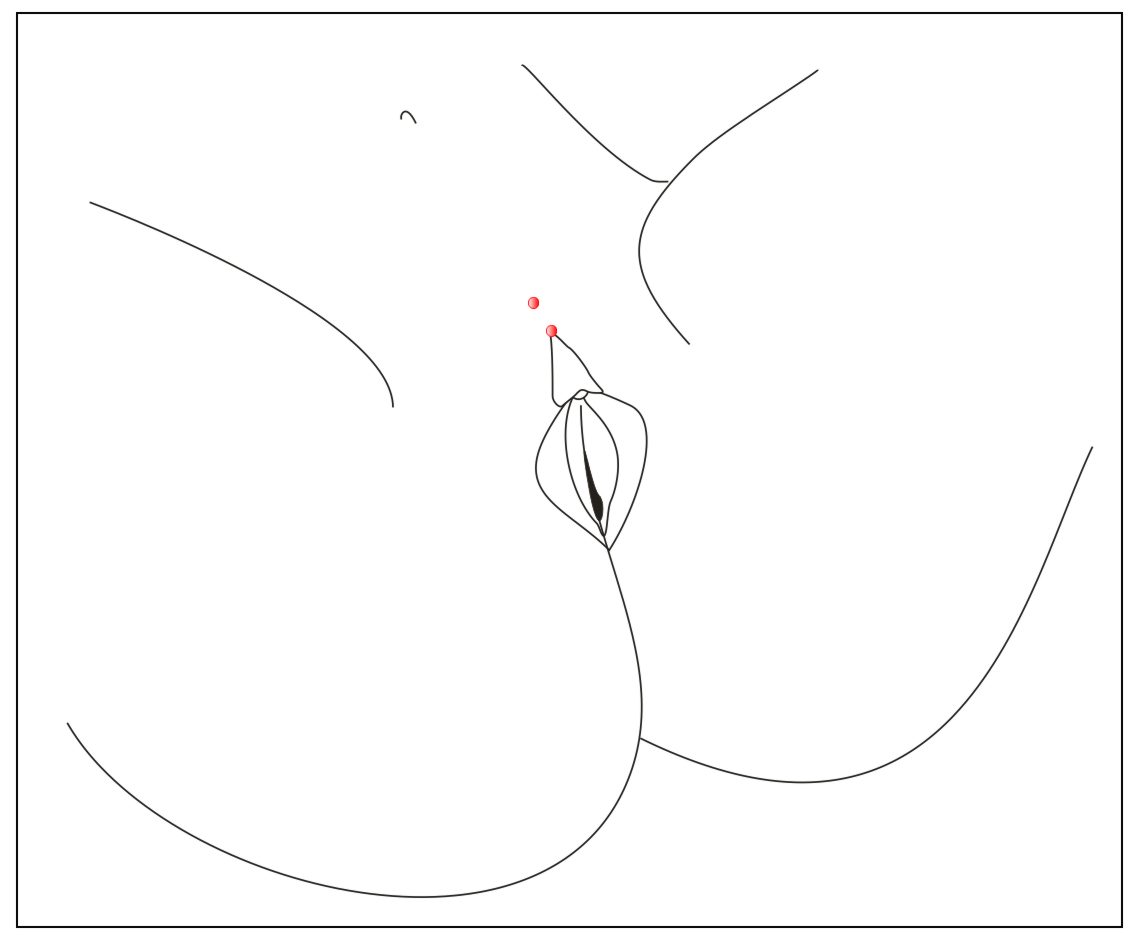
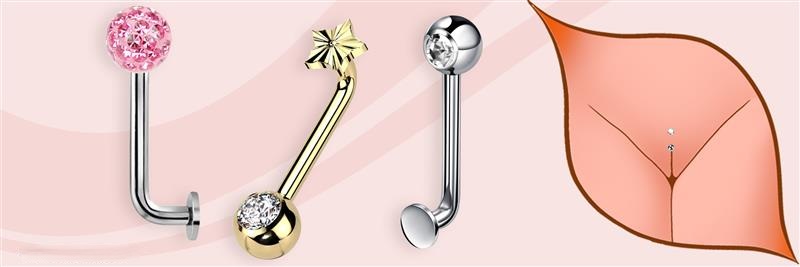
Precision in placement is the foundational cornerstone of a successful, long-lasting Christina piercing. Clinically speaking, the piercing is situated at the precise anatomical juncture where the outer labia (the labia majora) converge at the base of the mons pubis. The lower entry point typically rests just above the clitoral hood, precisely within the superior commissure—the delicate, V-shaped fold often referred to poetically as the cleft of Venus. From this lower anchor, the piercing travels vertically upward through the subdermal layer, with the top exit point resting flat against the surface of the mons pubis.
Because this specific area experiences constant micro-movements, the tissue dynamics are highly complex. The piercing must be placed deep enough into the dermis to securely anchor the jewelry against the natural tension of the skin, yet precisely angled to prevent the underlying hardware from putting undue pressure on the surrounding dermal layers. It is a delicate geometric balance that requires an expert piercer to deeply understand the underlying fascial structures. Misjudging this placement depth or angle by even a few millimeters can shift the piercing from a stable dermal adornment to a precarious wound prone to migration.
Christina Piercing
Do You Have the Right Anatomy? Why a Professional Assessment is Mandatory
One of the most crucial, and sometimes disappointing, clinical realities of the Christina piercing is that it is not anatomically suited for everyone. The human body is diverse, and vulvar anatomy varies wildly. For a Christina piercing to heal safely and remain viable long-term, the individual’s anatomy must present a pronounced, graspable fold of tissue exactly where the labia majora meet the mons pubis. There must be enough natural depth and slack in the skin to comfortably accommodate the specialized L-bar jewelry without forcing the tissue to stretch tightly over the metal.
If the tissue is too taut, too flat, or lacks the necessary anatomical fold, the body will inevitably treat the jewelry as a superficial foreign object. The immune system will then initiate a process called rejection, slowly pushing the metal out through the surface of the skin. This phenomenon not only results in the loss of the piercing but can also leave behind a permanent, visible track scar.
This biological reality makes a rigorous, professional anatomical assessment mandatory. Attempting to force a Christina piercing onto unsuitable anatomy is a violation of ethical, safe piercing practices. A successful surface piercing relies entirely on working harmoniously with the body’s natural contours and limits.
The pinktatpier Standard: A Sterile, Judgment-Free Environment
At pinktatpier, we prioritize your physical safety, long-term well-being, and bodily autonomy above all else. Our studio operates under strict, clinical-grade sterilization protocols, providing an environment that is entirely safe, welcoming, and unequivocally judgment-free. When you arrive for a Christina piercing consultation, our very first step is conducting an honest, highly specialized anatomical evaluation.
Our experts are thoroughly trained to assess tissue density, tension, and overall structural suitability. If your anatomy does not naturally support a Christina piercing, our piercers will be completely transparent with you. At pinktatpier, we view saying “no” to an unviable piercing as a critical act of professional care and respect, actively protecting you from the unnecessary pain and permanent scarring associated with inevitable rejection. We will never perform a surface piercing that is destined to fail simply to secure a booking. Instead, we empower you with clinical, factual knowledge about your unique anatomy and suggest alternative genital piercings that will heal beautifully and safely.
Christina Piercing vs. VCH Piercing: Location, Purpose, and Anatomy Requirements
To fully clarify the distinct clinical nature of the Christina, it is helpful to compare it directly to the Vertical Clitoral Hood (VCH) piercing, a commonly confused but structurally opposite modification.
| Feature | Christina Piercing | Vertical Clitoral Hood (VCH) Piercing |
| Classification | Surface Piercing | Through-and-Through Tissue Piercing |
| Primary Purpose | Strictly Aesthetic | Functional (Sexual Stimulation) |
| Exact Location | Vertically from the superior commissure (cleft of Venus) up to the mons pubis. | Vertically through the fold of tissue (the hood) directly covering the clitoris. |
| Anatomy Required | A pronounced, pinchable fold of tissue with sufficient slack at the mons pubis base. | A hood that is long enough to support the jewelry and retracts to expose the glans clitoridis. |
| Jewelry Type | Specialized Surface Bar / L-Bar | Standard Curved Barbell |
| Rejection Risk | Moderate to High (if anatomy is poor or standard barbells are used). | Very Low (due to passing completely through a structurally sound flap of tissue). |
The Procedure and Managing Discomfort
To fully comprehend what to expect during your appointment, it is essential to understand the mechanical reality of the surface piercing procedure. The fear of the unknown often stems from comparing this modification to standard piercings, which is a structural fallacy. When you receive a traditional inner-tissue piercing—such as a lip, earlobe, or even a standard through-and-through genital piercing—the needle passes directly through a distinct flap of flesh, entering one side and immediately exiting the other. The travel distance is minimal, and the resistance is generally low.
A surface piercing, however, operates on a completely different physical axis. It requires the creation of a horizontal, subcutaneous channel entirely beneath a flat plane of skin. The needle must enter the surface, travel parallel to the dermal layer for a specific distance, and then exit back out on that exact same plane. Because the needle is navigating through denser, highly innervated dermal and subdermal tissue rather than slipping through a thin, isolated membrane, the physical sensation is distinct. The tissue offers more natural resistance, requiring specialized tools and a deeply refined technique to ensure the created channel perfectly matches the dimensions of the jewelry. Understanding this mechanical difference is the first step in demystifying the experience and setting accurate, grounded expectations for the moments you are in the piercing chair.
Step-by-Step: The Clinical Piercing Process at pinktatpier
At pinktatpier, we believe that transparency is the foundation of a reassuring and empowering experience. When you enter our clinical piercing rooms, you are stepping into a highly controlled, flawlessly sterile environment designed to eliminate anxiety through total professionalism. The surface piercing procedure is executed with meticulous precision, prioritizing your physical safety and emotional comfort at every phase.
The process begins with an extensive surgical-grade skin preparation. The entire area is thoroughly cleansed using a high-level antiseptic solution, typically chlorhexidine or surgical iodine, to eradicate any surface bacteria. Once the skin is prepped, your piercer will use a sterile, single-use surgical marker to pinpoint the exact entry and exit coordinates. You will be able to view these marks in a mirror to give your final consent.
Next comes the stabilization phase. Because surface tissue moves dynamically, the piercer must isolate the exact track where the needle will travel. Depending on the specific tissue density, your expert piercer will either use specialized, sterile Pennington forceps to firmly clamp and elevate the tissue, or utilize a freehand receiving-tube technique. Once the tissue is secured, you will be guided through a deep breathing exercise. On a controlled exhale, the piercer initiates the insertion. A single-use, tri-beveled, incredibly sharp hollow needle is pushed fluidly through the marked channel. In one seamless, continuous motion, the specialized jewelry is immediately guided into the fresh fistula (the piercing hole) following the back of the needle, and the threaded ends are securely fastened.
Christina Piercing
Managing Christina Piercing Pain: How Bad Does It Hurt Compared to a VCH?
The most common and understandable apprehension surrounding this modification is the anticipated discomfort. It is crucial to address the Christina piercing pain level with absolute, clinical honesty. Because this is a surface piercing that must carve a longer path through denser dermal tissue, the intensity of the pinch is generally higher than that of a Vertical Clitoral Hood (VCH) piercing.
A VCH piercing passes through an incredibly thin, membranous hood of tissue; the actual puncture is so swift that many clients register it merely as a sharp, momentary pressure. The Christina piercing, by contrast, requires the needle to travel a slightly longer distance beneath the skin’s surface. You will likely feel a more sustained pinch and a distinct sensation of pressure as the needle creates the subcutaneous channel.
However, it is vital to keep this discomfort in perspective. While the Christina piercing pain level might be slightly more intense than a simple membrane puncture, the acute, sharp sensation is over in literally seconds. The human body is remarkably resilient, and the intense part of the procedure is incredibly brief. Furthermore, the anticipation is almost universally worse than the physical event itself. By the time your brain fully processes the sharp pinch, the needle is already through, the jewelry is being transferred, and the sensation rapidly diffuses into a dull, warm, localized throb.
Advanced Techniques for Minimizing Tissue Trauma and Initial Swelling
The speed and smoothness of your recovery are directly correlated to the skill and technique applied during those crucial seconds in the piercing chair. The pinktatpier team utilizes advanced clinical methodologies specifically designed to minimize unnecessary tissue trauma and mitigate the inevitable initial swelling that follows a surface piercing procedure.
First, we exclusively utilize needles that feature a specialized, ultra-sharp tri-bevel edge. This microscopic geometry allows the needle to slice cleanly through the dermal layers rather than tearing or pushing bluntly through the flesh, drastically reducing structural damage to the surrounding cells. Furthermore, we apply a sterile, water-based, surgical lubricant to the needle prior to insertion. This significantly reduces friction and drag as the metal passes through the tissue, minimizing the “pulling” sensation that can exacerbate localized swelling.
The jewelry transfer itself is executed using a sterilized taper pin. This tool seamlessly connects the hollow needle to your jewelry, ensuring a perfectly smooth transition that prevents the microscopic internal scratching or tearing that often occurs with clumsy jewelry insertion. Immediately after the beads are secured, your piercer will apply gentle, sterile pressure to the site to encourage initial blood clotting and stabilize the tissue. You will leave the studio with the piercing feeling warm and slightly tight, but the meticulous execution ensures that your body is perfectly positioned to begin a smooth, uncomplicated healing cascade.
Pain Level Comparison: Christina vs. Navel, Nostril, and VCH
To help you mentally prepare, here is a realistic, comparative look at the anticipated discomfort levels. Note: Pain is highly subjective, and these are generalized clinical baselines.
| Piercing Type | Tissue Classification | Average Pain Scale (1-10) | Sensation Description | Duration of Acute Pain |
| VCH (Vertical Clitoral Hood) | Thin Membrane / Inner Tissue | 3 – 4 | Extremely fast, sharp pinch. Very low resistance. | < 1 Second |
| Nostril | Cartilage | 4 – 5 | Sharp pinch followed by immediate eye-watering pressure. | 1 – 2 Seconds |
| Navel (Belly Button) | Standard Surface Fold | 5 – 6 | Moderate pinch, feeling of skin stretching or pressure. | 2 – 3 Seconds |
| Christina | True Surface Piercing | 6 – 7 | Sustained, sharp pinch with distinct subcutaneous pressure. | 3 – 4 Seconds |
Proper Hardware and Mitigating Rejection Risks
To ensure the longevity of any surface piercing, we must first deeply understand the biological imperative of the human immune system. When a foreign object is introduced into the dermal layer, the body’s immediate, natural response is to initiate a complex defense cascade. Macrophages and fibroblasts rush to the site, attempting to wall off the intruder with scar tissue. In a biologically ideal scenario, this creates a stable fistula—a tunnel of healed skin—around the metal. However, if the jewelry places constant, inappropriate tension on the overlying tissue, the body determines that healing around the object is impossible.
Instead, the immune system shifts its strategy from accommodation to expulsion. This biological process is known as migration. The body slowly breaks down the tissue situated directly above the jewelry, effectively pushing the metal closer and closer to the surface until it finally breaks through the skin entirely. This is the clinical reality of Christina piercing rejection. It is not an infection or a hygiene failure; it is a structural and mechanical incompatibility between the hardware and the flesh. Recognizing that rejection is driven by physical tension is the fundamental key to preventing it, which brings us to the critical importance of selecting the correct geometric shape for your jewelry.
Ditching the Curved Barbell: The Necessity of Christina L-Bar Jewelry
The most egregious error in the body modification industry regarding this specific placement is the use of standard curved barbells. A curved barbell is shaped like an arc. When inserted beneath a flat plane of surface tissue, the laws of physics dictate that the apex of the curve will constantly push upward, attempting to straighten itself against the natural tension of the skin.
This continuous upward pressure creates a highly concentrated focal point of stress directly in the center of the piercing track. Over time, this pressure starves the overlying capillaries of blood flow, causing the skin to thin rapidly. This dynamic is often referred to clinically as the “cheese-cutter effect,” and it is the primary catalyst for almost all surface piercing failures.
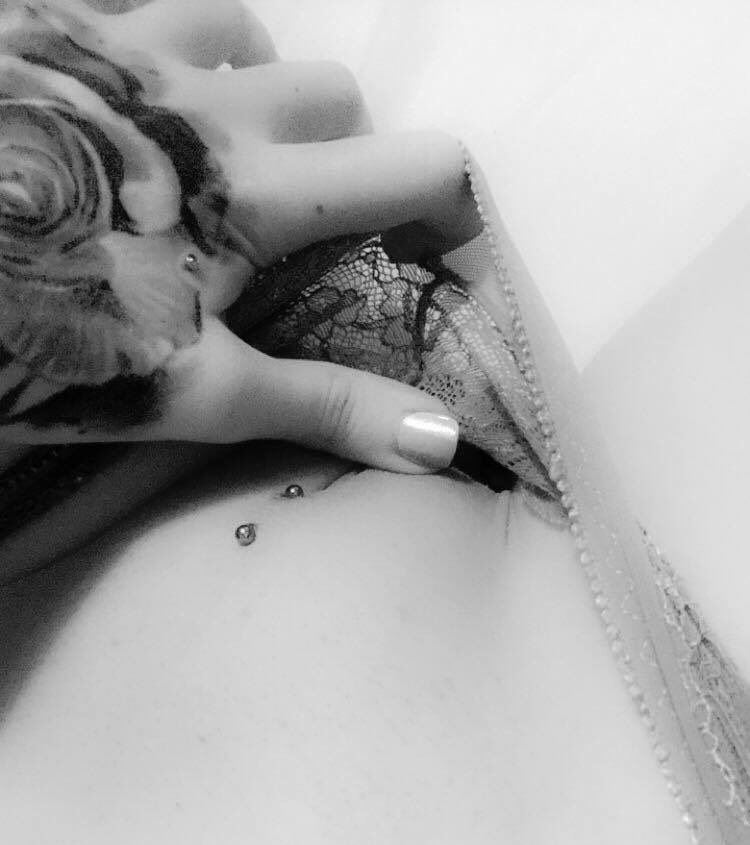
To neutralize this mechanical stress, the absolute necessity of Christina L-bar jewelry cannot be overstated. An L-bar—also known as a 90-degree surface bar—is engineered specifically for flat-plane placements. It features a completely flat central shaft that rests perfectly parallel to the subdermal tissue bed, creating zero upward pressure along the track. At each end of this flat shaft, the metal bends at a sharp 90-degree angle, allowing the posts to exit the skin completely perpendicular to the surface. Because the exit posts do not angle outward, they place no lateral tension on the entry and exit holes. By eliminating pressure across the entire span of the piercing, L-bar jewelry harmonizes with the body’s natural state, drastically reducing the biological trigger for migration and ensuring a secure, long-lasting aesthetic result.
Christina Piercing
Material Matters: The Crucial Role of Implant-Grade Titanium
Beyond the geometric shape of the hardware, the metallurgical composition of the jewelry is the second critical pillar in preventing immunological rejection. The subdermal environment is highly reactive, and the tissue will intimately interact with the surface of the metal for months during the healing phase.
Many standard piercing studios utilize alloys generically labeled as “surgical steel.” This is a highly misleading marketing term that denotes a blend of metals, often containing significant microscopic traces of nickel and carbon. Nickel is a profound irritant and a common allergen; introducing it into a deep surface wound almost guarantees chronic inflammation, delayed healing, and eventual rejection.
At our studio, we strictly utilize pinktatpier premium jewelry, which is exclusively milled from ASTM F136 Implant-Grade Titanium. This specific grade of titanium is the exact same biocompatible material utilized by orthopedic surgeons for bone screws and joint replacements. It is entirely nickel-free, non-porous, and immune to corrosion from bodily fluids. Furthermore, implant-grade titanium can be polished to a microscopic mirror finish. This ultra-smooth surface prevents the adherence of bacteria and microscopic crust, ensuring that the healing tissue can smoothly glide against the metal without microscopic tearing. Investing in flawless, biologically inert material is not a luxury; it is a clinical prerequisite for a successful surface piercing.
Early Warning Signs: Recognizing and Addressing Thinning Tissue
Even with flawless placement and perfect hardware, the body’s healing trajectory must be closely monitored. Because a Christina is a surface piercing, it requires a higher level of vigilance than standard ear or facial modifications. The key to mitigating long-term damage is learning to differentiate between the normal, settling phases of a fresh piercing and the pathological early signs of migration.
During the first few months, a microscopic amount of settling is normal as the swelling subsides and the tissue relaxes around the L-bar. However, if you begin to notice the central flat shaft of the jewelry becoming visibly prominent or tactilely raised beneath the skin, this is a distinct warning sign. The skin over the bar should maintain its natural thickness and tone. If the tissue directly bridging the two entry points begins to look translucent, excessively red, or feels remarkably thinner than the surrounding mons pubis, the body is likely beginning the expulsion process. Another clinical indicator is a sudden, inexplicable widening of the distance between the two threaded ends, indicating the posts are shifting outward. Recognizing these signs early allows your piercer to safely remove the jewelry, preventing a severe split in the tissue and minimizing permanent track scarring.
Normal Healing Signs vs. Early Signs of Piercing Rejection/Migration
To empower you with the knowledge to monitor your bodily response safely, please refer to this clinical comparison table.
| Clinical Indicator | Normal Healing Process (Safe) | Early Signs of Rejection/Migration (Warning) |
| Tissue Thickness | Skin over the bar remains thick, opaque, and consistent with surrounding tissue. | Skin between the holes becomes translucent, shiny, or distinctly thinner. |
| Jewelry Visibility | The flat bar is hidden deeply beneath the dermis; only the top beads are visible. | The outline of the flat central shaft is visibly raised or easily seen through the skin. |
| Hole Appearance | Edges of the fistulas are tight, slightly pink, and snug against the 90-degree posts. | Holes become elongated, asymmetrical, or begin to look like small slits. |
| Physical Sensation | Mild tenderness that steadily decreases over the first few weeks. | A return of sharp soreness, or the piercing feels unexpectedly “loose” or mobile. |
| Distance Between Beads | Remains static and exactly the same as the day of the procedure. | The beads appear to sit wider apart, or more of the post is suddenly exposed. |
Aftercare Protocols and the Healing Journey
Entering the recovery phase of your modification requires a mindset of patience, vigilance, and biological respect. Because the architecture of this specific adornment requires the body to construct a brand-new tunnel of scar tissue—known as a fistula—along a completely horizontal, subdermal plane, the physiological energy required is substantial. Consequently, the Christina piercing healing time is significantly longer than that of standard inner-tissue or mucosal piercings.
Clients must prepare for a primary clinical healing window of three to six months, with full tissue maturation sometimes taking up to a year. During this extended period, the piercing will progress through distinct inflammatory, proliferative, and maturation phases. In the early stages, the body is actively working to seal the open puncture wounds and stabilize the foreign object. As weeks turn into months, the cellular focus shifts to reinforcing the internal track with tough, resilient collagen fibers. Acknowledging this reality is the first step in successful surface piercing aftercare. Rushing this timeline, abandoning cleaning protocols prematurely, or assuming the piercing is fully healed simply because it stops hurting at the six-week mark is a primary cause of late-stage complications and sudden flare-ups.
Sterile Saline Solutions: The Only Clinically Approved Cleaning Method
The foundation of flawless surface piercing aftercare rests entirely on minimal intervention and strict adherence to clinically sterile products. The human body is remarkably efficient at healing itself; our goal is simply to create the optimal environment for that biological process to occur without introducing chemical irritants or foreign bacteria. At pinktatpier, our unequivocal, non-negotiable standard for cleaning is the use of a sterile, packaged saline wound wash (0.9% sodium chloride).
You must entirely discard outdated internet advice suggesting homemade sea salt mixtures. Mixing salt and tap water in your kitchen is not a sterile process; it often results in a hypertonic solution that severely dehydrates the healing cellular matrix, causing microscopic cracking and inflammation. Instead, use a pressurized sterile saline spray twice daily. Liberally spray the entry and exit points, allowing the solution to irrigate the tissue, and then gently pat the surrounding area dry with a sterile, non-woven gauze pad.
During this vulnerable 3-to-6 month window, you must aggressively protect the site from environmental contamination and physical trauma. You are strictly prohibited from submerging the piercing in any stagnant bodies of water. This means absolutely no swimming pools, hot tubs, lakes, or even domestic bathwater, as these environments are concentrated breeding grounds for aggressive bacterial pathogens. Furthermore, completely banish loofahs, sponges, and washcloths from your shower routine; their woven textures harbor dense bacterial colonies and pose a severe snagging hazard. Harsh body washes, fragranced soaps, and chemical exfoliants must also be kept far away from the piercing site, as they will strip the tissue of its newly forming, delicate cellular layers.
Managing Normal Secretions, Bruising, and Lymphatic Fluid
Understanding the visual and tactile changes your body will undergo is vital to preventing unnecessary anxiety. In the first few weeks of the Christina piercing healing time, gravity and the highly vascular nature of the mons pubis will likely result in localized bruising, swelling, and a feeling of tight pressure. This is a standard inflammatory response.
More importantly, you will notice a pale yellow or off-white bodily fluid secreting from the piercing holes, which will dry into small, crystalline crusts on the jewelry. This is not pus, and it is not a sign of infection. It is lymphatic fluid—blood plasma and dead white blood cells—which is a healthy byproduct of your immune system actively building the internal fistula. The absolute worst action you can take is to forcefully pick or scratch these crusts away while they are dry, as this rips the newly attached healing cells right back off the metal, resetting your healing clock to zero. Instead, allow the warm water of your daily shower to naturally soften this lymphatic crust for several minutes. Once the crust turns into a soft gel, spray your sterile saline directly onto the area to gently flush the debris away without manual scrubbing.
Christina Piercing
Troubleshooting: Identifying Irritation Bumps vs. Actual Infection
Even with flawless aftercare, the dynamic nature of a surface piercing means you may encounter temporary setbacks. The most common issue clients face is the development of localized irritation bumps—often clinically referred to as hypertrophic scarring. These small, relatively hard, flesh-colored or slightly red nodules appear directly adjacent to the entry or exit holes. They are almost universally caused by physical trauma: a snag on a towel, friction from tight clothing, or sleeping on your stomach. They are the body’s localized overreaction to stress.
An irritation bump is a mechanical issue, not a bacterial one. The treatment is never to apply harsh internet remedies like tea tree oil, aspirin paste, or alcohol, which will only cause severe chemical burns to the delicate genital tissue. Instead, the solution is to identify the source of the physical friction and eliminate it while continuing your standard saline routine.
Conversely, a true clinical infection presents entirely differently. If the piercing site suddenly radiates intense heat, exhibits rapidly expanding redness, throbs with a severe, escalating pain, or secretes thick, foul-smelling, dark green or brown pus, you must seek immediate clinical intervention. In such rare instances, the pinktatpier team will assess the site and, if necessary, refer you directly to a medical professional for targeted antibiotics, all while working to safely maintain the viability of the piercing channel.
Christina Healing Timeline: Month 1 to Month 6 (What to Expect)
| Healing Phase | Timeline | Typical Physical Sensations | Visual Appearance & Secretions | Required Care Protocols |
| Phase 1: Inflammation | Weeks 1 – 4 | Tenderness, localized throbbing, mild heat, feeling of tightness. | Visible swelling, potential bruising. High volume of whitish-yellow lymphatic crust. | Strict 2x daily sterile saline. Avoid all friction. No pools or hot tubs. No tight clothing. |
| Phase 2: Proliferation | Months 2 – 3 | Significant drop in daily pain. Occasional mild itchiness as tissue regenerates. | Swelling subsides. Lymphatic crusting decreases but remains present. | Continue daily saline. Maintain ban on loofahs, baths, and submerged water. |
| Phase 3: Maturation | Months 4 – 6 | Generally painless under normal conditions. Feels stable but still vulnerable to snags. | Piercing looks “settled.” Edges of the holes pull inward tightly. Secretions are rare. | Once-daily saline flush. May carefully resume swimming if completely symptom-free. |
Lifestyle Adjustments & Wardrobe Choices for a Healing Christina Piercing
Adapting to life with a new Christina piercing involves far more than simply adhering to a saline cleaning schedule. Because this specific modification is a surface piercing located on the prominent tissue of the mons pubis, it interacts with your environment—specifically your clothing and grooming habits—every single day. At pinktatpier, we strongly emphasize that mindful lifestyle adjustments are just as critical to your success as the precise anatomical placement performed in our studio. The delicate healing fistula is highly susceptible to mechanical trauma, friction, and chemical irritation. Managing these external factors gracefully is the secret to preventing complications, minimizing the risk of migration, and ensuring a smooth, aesthetically pleasing result.
Navigating Your Closet: The Impact of Clothing on Surface Piercings
Your daily wardrobe plays a massive role in the longevity and health of your fresh Christina piercing. The mons pubis is an area that naturally experiences a high degree of movement and contact with waistbands, seams, and fabrics. During the critical three to six-month healing window, constant pressure or aggressive friction can irritate the piercing channel, leading to excess swelling, hypertrophic scarring, or the dreaded rejection process.
High-waisted rigid denim, tightly belted trousers, and structured skirts are among the most problematic garments. When you sit, bend, or crouch, the stiff fabric of a high waistband folds inward, putting direct, concentrated pressure precisely on the top bead of your jewelry. This continuous downward force pushes against the natural healing angle of the tissue. To mitigate this, we advise our clients at pinktatpier to temporarily transition their wardrobe toward low-rise bottoms, ultra-soft joggers, or loose-fitting dresses. If you must wear professional or structured clothing for work, opt for garments that sit comfortably below the hip bone or feature elastic, forgiving waistbands that do not compress the pelvic region.
The Hidden Hazards of Lace and Mesh Underwear
When it comes to your intimate apparel, the aesthetic appeal of certain fabrics must temporarily take a back seat to safety and functionality. Lace, fishnet, and loosely woven mesh underwear are the natural enemies of a healing surface piercing. The intricate loops, delicate threads, and varied textures of lace act as tiny nets, perfectly designed to hook around the beads or edges of your jewelry.
A sudden snag—whether you are quickly pulling out of your underwear in the restroom or simply adjusting your clothing throughout the day—can cause severe micro-tears inside the healing fistula. This type of acute trauma sets your healing timeline back by weeks and is a primary trigger for rejection. For optimal safety, exclusively wear seamless, 100% breathable cotton underwear during your primary healing phase. Cotton provides a smooth, snag-free surface that glides safely over the jewelry while allowing the skin to breathe, effectively wicking away natural moisture and preventing the buildup of bacteria in a warm, enclosed environment.
| Wardrobe Guide: Best vs. Worst Clothing Choices for a Healing Christina Piercing |
| The “Safe Healing” Wardrobe (Best Choices) |
| • 100% Cotton Seamless Underwear: Smooth surface prevents snagging; highly breathable. |
| • Low-Rise Pants & Jeans: Sits below the mons pubis, eliminating direct downward pressure on the jewelry. |
| • Flowy Skirts & Loose Dresses: Zero friction or compression against the pelvic area. |
| • Soft, Stretchy Joggers/Sweatpants: Forgiving fabric that adapts to your body’s movement without pulling. |
| The “High Risk” Wardrobe (Worst Choices) |
| • Lace, Mesh, or Fishnet Lingerie: Extreme snagging hazard; can easily rip or traumatize the piercing. |
| • Rigid High-Waisted Denim/Belts: Creates a hard crease when sitting, putting intense pressure on the top bead. |
| • Tight Synthetic Shapewear: Traps moisture, restricts blood flow, and aggressively compresses the jewelry. |
| • Thick Seamed Trousers: Bulky zippers or front seams that constantly rub back and forth over the piercing site. |
Grooming with Care: Safe Shaving and Hair Removal Techniques
Maintaining your preferred grooming habits while accommodating a fresh Christina piercing is entirely possible, but it requires a strategic, highly cautious approach. The presence of a healing wound completely changes how you must interact with the pubic area. Chemical depilatories (hair removal creams) are strictly forbidden anywhere near the mons pubis during the healing phase. These products contain harsh, caustic chemicals designed to melt hair proteins; if even a microscopic amount enters the unhealed piercing channel, it will cause severe chemical burns, immense pain, and almost guaranteed localized infection.
Waxing and sugaring are similarly hazardous during the initial months. The rapid, aggressive pulling of the skin necessary for these methods causes massive mechanical stress to the surrounding tissue, which can tear the fragile new cells forming inside the piercing channel. If you prefer a hair-free aesthetic, careful shaving or precision trimming is the safest route.
When shaving, always use a brand-new, sterile razor to prevent bacterial transfer. Create a physical barrier by placing a clean finger firmly over the top and bottom beads of the jewelry, creating a protective “shield” while you shave around the perimeter. Never blindly run a razor over the area; catching the jewelry with a blade can cause a violent pull and a deep laceration. Alternatively, using an electric trimmer with a safety guard is highly recommended by the pinktatpier team. Trimming keeps the hair neatly managed without the blade ever coming into direct contact with the skin or the jewelry, eliminating the risk of nicks, cuts, and ingrown hairs near the wound.
Adapting Your Daily Routine for Optimal Healing
Beyond your closet and shower routine, general daily movements require a brief period of mindful adaptation. If you are an active individual who enjoys the gym, yoga, or running, be exceptionally aware of your activewear. While moisture-wicking leggings are excellent for sweat management, extremely tight compression wear can force the jewelry to sit at unnatural angles during strenuous movement.
When exercising, try to wear slightly looser athletic shorts if your routine permits. More importantly, never sit in sweaty gym clothes. The combination of tight fabric, friction, and trapped perspiration creates an ideal breeding ground for bacteria. Shower immediately after your workout, performing your standard sterile saline soak to flush out any sweat or debris that may have settled around the piercing site. By treating your Christina piercing with this level of daily respect and spatial awareness, you create the perfect physical environment for it to heal securely and beautifully.
Frequently Asked Questions & Your Next Steps at pinktatpier
Embarking on the journey of a new intimate modification brings a wave of excitement, but it is entirely natural to have lingering questions before taking the final step. Education is the cornerstone of a safe piercing experience, and eliminating the unknown is the best way to alleviate pre-appointment anxiety. In this final chapter, we address the most highly searched, frequently asked, and occasionally embarrassing questions that clients bring into our consultation rooms.
Does a Christina piercing increase sexual pleasure?
The Christina piercing is frequently misunderstood when it comes to the realm of physical intimacy. Unlike inner genital modifications that interact directly with nerve-dense anatomical structures, the Christina is classified purely as a surface piercing located externally on the mons pubis. Because it sits much higher up and does not pass through the clitoral hood or the glans itself, it does not provide direct physical stimulation or inherently increase mechanical sexual pleasure.
Its primary purpose is strictly aesthetic—a beautiful, empowering visual enhancement that celebrates female anatomy and acts as a striking focal point. However, it is vital to acknowledge the psychological impact. Many clients report a massive psychological boost in body confidence, self-love, and sexual empowerment after receiving this piercing. Feeling undeniably beautiful and confident in your own skin can indirectly but profoundly enhance your intimacy and personal comfort.
Will it leave a noticeable scar if I take it out?
Surface piercings are notorious for leaving distinct marks once they are removed, and the Christina is absolutely no exception to this rule. If you decide to retire the piercing voluntarily, or if your body undergoes the natural rejection process, you will likely be left with a small scar at both the entry and exit points. The severity, depth, and visibility of the scar depend entirely on how the piercing was handled during its removal.
If you voluntarily remove the L-bar while the surrounding tissue is still healthy and intact, the resulting marks usually fade into tiny, pale dots or slight hyperpigmentation over a few years, blending smoothly into the natural texture of the skin. Conversely, if you ignore the warning signs and allow a migrating piercing to completely reject and push its way out of the epidermis, you will be left with a much more prominent, permanent linear scar. At pinktatpier, we emphasize early detection; if migration begins, removing the jewelry promptly is the ultimate way to minimize permanent tissue damage. Post-removal, utilizing medical-grade silicone scar gels and gentle tissue massage can further aid in reducing visibility.
When is it safe to downsize my jewelry?
A crucial, non-negotiable milestone in your modification journey is the downsizing appointment. When you are initially pierced, the titanium L-bar we install is intentionally much longer than the actual span of the tissue. This extra length is a medical necessity to accommodate the inevitable, and entirely normal, localized swelling that occurs during the first few weeks of your body’s trauma response.
Once this initial inflammation fully subsides—typically landing somewhere between the four to eight-week mark—you will notice the extra bar length protruding significantly. At this stage, that extra room becomes a dangerous liability. A bar that is too long will shift, tilt, and aggressively catch on your environment, introducing severe mechanical stress to the fragile healing fistula. Downsizing involves returning to the studio so your piercer can safely swap the initial long post for a shorter, perfectly fitted bar that sits flush and secure against the skin. You must never attempt to downsize or change the jewelry yourself during this active healing window; doing so invites catastrophic infection. This transition must be executed in a sterile environment by a professional.
Can I safely navigate pregnancy with a Christina piercing?
As the body undergoes the profound physiological transformations of pregnancy, the pelvic region, lower abdomen, and mons pubis experience significant tissue expansion and heavily increased blood flow. While some individuals successfully retain their surface jewelry during the early first trimester, the rapidly stretching skin eventually puts immense, unavoidable pressure on the piercing channel.
This tension dramatically increases the risk of late-stage rejection, painful migration, or severe stretch marks forming directly around the entry and exit holes. Most medical professionals and experienced piercers highly recommend retiring the metal jewelry entirely as the pregnancy visibly advances. Trying to force the piercing to stay through the third trimester often results in unnecessary trauma to the skin. While flexible PTFE retainers exist, they are not a foolproof solution against the extreme tension of pregnancy. Fortunately, once you are fully recovered postpartum, our experts can assess the area to determine if the channel is still viable for a gentle jewelry taper or if the tissue is healthy enough to support a safe repiercing procedure.
Christina Piercing
Your Empowering Conclusion: Booking with pinktatpier
Deciding to enhance your body with a Christina piercing is a deeply personal, beautiful, and empowering choice, but it requires entrusting your unique anatomy to true professionals. At pinktatpier, we deeply understand that entering a studio for an intimate modification can feel intimidating or vulnerable. That is exactly why we have meticulously cultivated a completely private, judgment-free, and profoundly safe environment specifically tailored for female aesthetics and comfort.
Our clinic adheres strictly to the highest global hygiene standards, utilizing hospital-grade sterilization protocols, state-of-the-art autoclaves, and single-use, precision needles to guarantee your absolute safety. You deserve to feel comfortable, respected, and flawlessly informed every single step of the way, from the moment you walk through our doors to the day your piercing is fully healed. We do not believe in rushing the process; we believe in elevating it into a luxury experience.
If you are ready to explore this beautiful enhancement, the first and most vital step is discovering if your unique body is structurally suited to support it safely. Do not leave your health to chance or guess your anatomical suitability based on internet photos. Take the empowering next step today. Contact pinktatpier to book your private, comprehensive anatomy consultation, and let our dedicated experts guide you toward a flawless, radiant result. Your safety and your confidence are our ultimate priority.