
Where to Find high-quality hypoallergenic piercing jewellery in London

You’ve made the commitment. Your piercing is healed, or you’re planning a new one, and now comes the most exciting part: choosing the jewellery that will define your style. A piercing is the canvas, but the jewellery is the art. In a fashion-forward city like London, the options seem endless. From high-street chains and sprawling online marketplaces to independent boutiques, the city is saturated with choices. Yet, this abundance can be incredibly misleading and, for the discerning client, navigating it can be a minefield.
The truth is, not all jewellery is created equal. The vast majority of what is readily available is, unfortunately, unsuitable and often unsafe for long-term wear in the body. It can lead to irritation, painful allergic reactions, and can turn a beautiful piercing into a source of constant frustration. This is why the search for genuine high-quality hypoallergenic piercing jewellery in London is not just a matter of style; it is a matter of health and a crucial investment in your body.
This is your definitive, expert guide to making that investment wisely. We will go beyond the surface to provide you with the deep, detailed knowledge you need to become an educated consumer. We will deconstruct the misleading marketing terms, give you a professional’s understanding of truly body-safe materials, and, most importantly, tell you exactly where and how to find them in London.
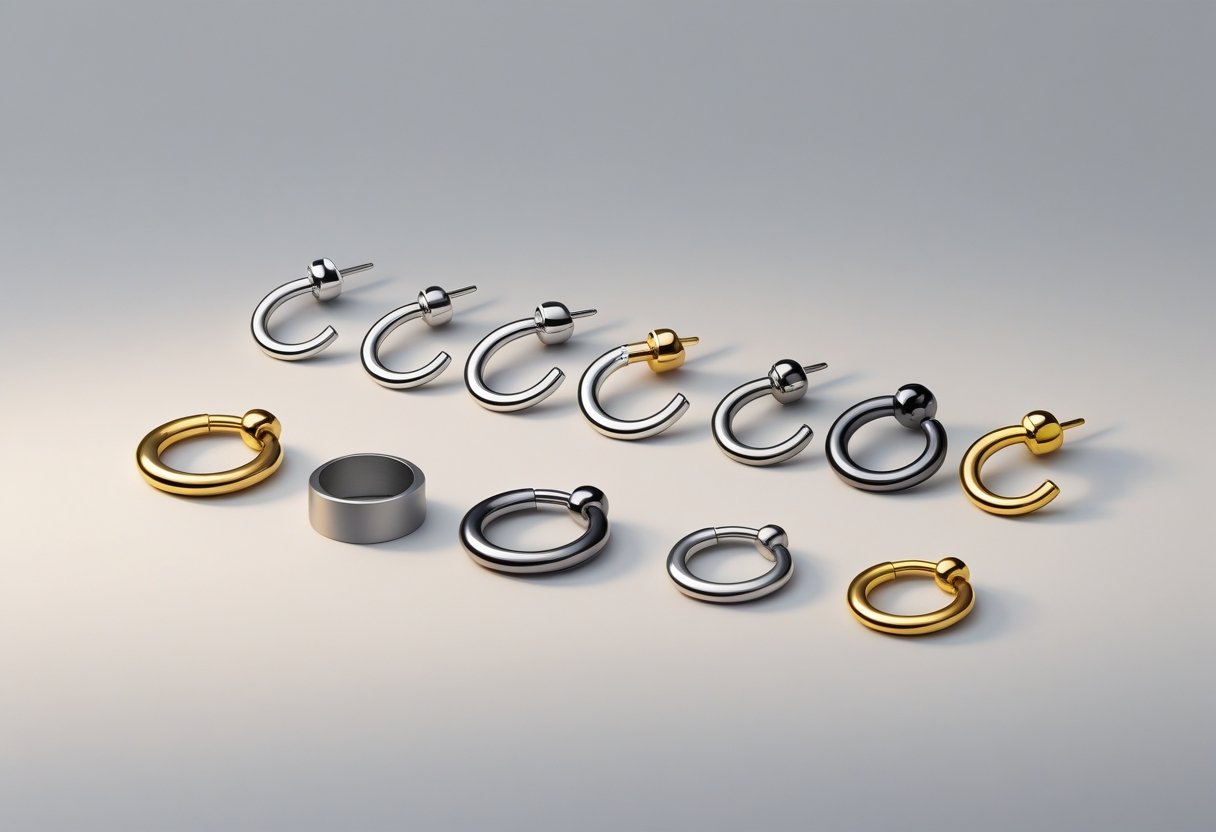
high-quality hypoallergenic piercing jewellery
The Great Divide: Why “High Street” and Online Marketplace Jewellery Fails the Test
The first and most important lesson is understanding what to avoid. The temptation of a £10 ring from a high-street accessory shop or a multi-pack of “surgical steel” studs from an online giant is strong. These options are cheap and instantly accessible. However, their low price point is only possible because of significant and often dangerous compromises in material, design, and manufacturing quality.
Deconstructing the “Surgical Steel” Myth: An Unregulated and Misleading Term
The term “surgical steel” is perhaps the most pervasive and misleading phrase in the entire jewellery industry. It sounds safe and medical, but in reality, it is an unregulated umbrella term that has no specific metallurgical standard. The vast majority of jewellery labelled as such is made from low-grade steel alloys that contain a significant amount of nickel.
More Details: Nickel is one of the most common contact allergens in the world. When a healing or even a healed piercing is exposed to it, the body’s immune system can have a severe reaction, known as allergic contact dermatitis. This can manifest as intense itching, redness, swelling, fluid discharge (weeping), and dry, flaky skin around the piercing. A bad reaction can not only ruin a piercing but can also trigger a lifelong sensitivity to nickel, affecting what watches, belt buckles, and other types of jewellery you can wear in the future. The risk is simply not worth the initial saving.
The Problem with Plated Jewellery: A Ticking Time Bomb
You will often see jewellery advertised as “gold-plated,” “rose gold-plated,” or coated with a black material (often PVD – Physical Vapour Deposition). While these can look beautiful initially, they are fundamentally unsuitable for wearing inside the body. Plating is a microscopic layer of a desirable colour coated over a cheap, mystery base metal (which is almost always a high-nickel steel alloy).
More Details: This plating is not permanent. The warm, moist environment of a piercing, combined with the body’s natural oils and movement, will inevitably cause this thin layer to chip, flake, and wear away. This process can happen in a matter of weeks or months. When it does, two things happen: first, it exposes your delicate skin to the unknown and likely irritating base metal underneath, risking an allergic reaction. Second, the microscopic flakes and chips create a rough, uneven surface that can cause physical irritation and provide a breeding ground for bacteria. It is an investment with a guaranteed expiry date.
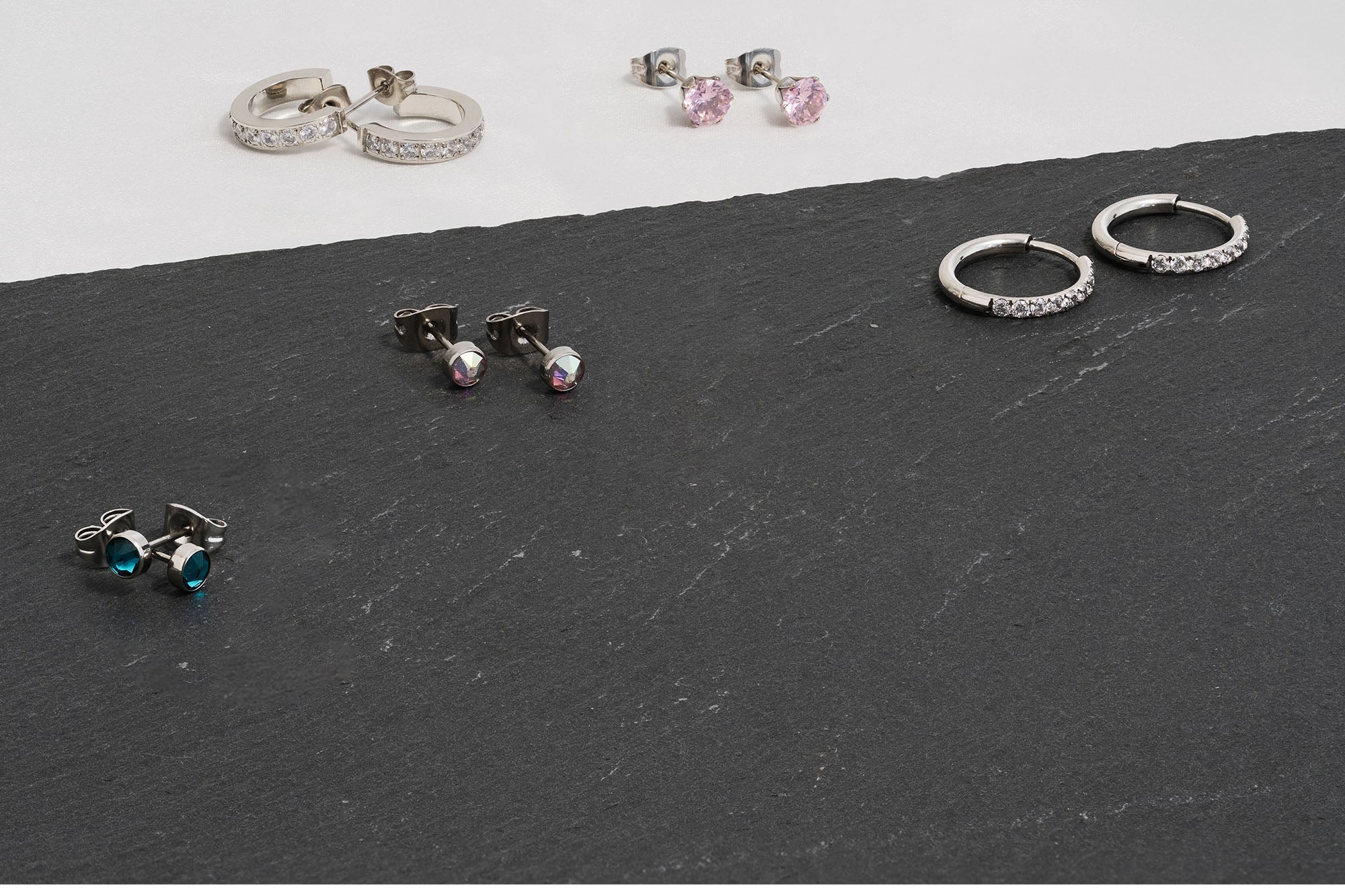
high-quality hypoallergenic piercing jewellery
Poor Design and Finish: The Hidden Dangers of Bad Manufacturing
Beyond the material itself, the way cheap jewellery is designed and manufactured poses a significant risk. Two key flaws are almost universal in low-quality pieces.
- External Threading: On a cheap barbell, the screw threads are on the outside of the post. This means that every time you insert or remove the jewellery, these rough, sharp threads are being dragged through the delicate tissue of your piercing channel. This has been aptly nicknamed the “cheese grater effect.” It can cause microscopic tears, introduce bacteria, and be incredibly painful, especially in a healing piercing.
- Poor Surface Polish: High-quality jewellery has a flawless, mirror-like surface. Cheap jewellery, when viewed under a microscope, is often covered in tiny scratches, pits, and imperfections from the manufacturing process. These imperfections act like sandpaper against your skin, causing chronic irritation. They also create a perfect environment for biofilm and bacteria to colonise, which can lead to persistent problems and unpleasant odours.
The Hallmarks of True Quality: What Defines Professional Body Jewellery
Now that you know what to avoid, let’s define what you should be actively seeking. True high-quality hypoallergenic piercing jewellery in London is defined by a specific set of verifiable standards relating to material, design, and manufacturing.
The Material is Everything: Understanding “Implant-Grade” and Biocompatibility
The most important quality of any material worn inside the body is that it is biocompatible. This is a medical term meaning the material is not harmful or toxic to living tissue and will not provoke a response from the immune system. The materials used for medical implants (like bone pins or pacemakers) are the gold standard for biocompatibility, and this is the standard that the professional piercing industry adheres to.
More Details: When you see the term “implant-grade,” it means the material has been certified by a standardisation body (like ASTM or ISO) as being suitable for surgical implantation in the human body. This is a verifiable, legal standard, unlike the vague term “surgical steel.”
The Holy Trinity of Body-Safe Metals
- Implant-Grade Titanium (ASTM F-136): This is the workhorse and the hero material of the high-quality piercing world. It is a specific alloy of titanium that is extremely pure and has been tested and certified for human implantation.More Details: Its benefits are numerous. It is virtually nickel-free, making it the safest choice for those with metal sensitivities. It is incredibly lightweight, making it comfortable for larger pieces. And crucially, it can be anodised. Anodisation is an electrochemical process where the titanium is submerged in a conductive solution and an electrical current is passed through it. This changes the thickness of the surface oxide layer, which alters the way light refracts off it, creating a whole spectrum of beautiful colours (including gold and rose gold tones) without any paints or plating. This makes it an incredibly versatile and affordable option for a high-end look.
- Solid 14k or 18k Gold (Nickel-Free Alloys): For those seeking the timeless beauty of gold, the key is solid gold from a reputable manufacturer.More Details: Professional body jewellery is typically made from 14k or 18k gold. 24k gold is too soft and can easily be scratched or bent. 9k gold, which is common in high-street shops, contains a high percentage of other metals and is often not suitable. Crucially, reputable brands (like BVLA, Anatometal, and Maria Tash) use specific, biocompatible alloys of gold that are guaranteed to be nickel-free, ensuring they are safe even for those with sensitivities.
- Niobium (Nb): Niobium is an elemental metal (similar to titanium) that is also highly biocompatible and safe for initial piercings.More Details: Its unique selling point is that it is the only body-safe metal that can be anodised to a true, rich black colour. While titanium can be turned dark grey, Niobium offers a solid black option for those seeking a darker aesthetic without resorting to unsafe PVD coatings.
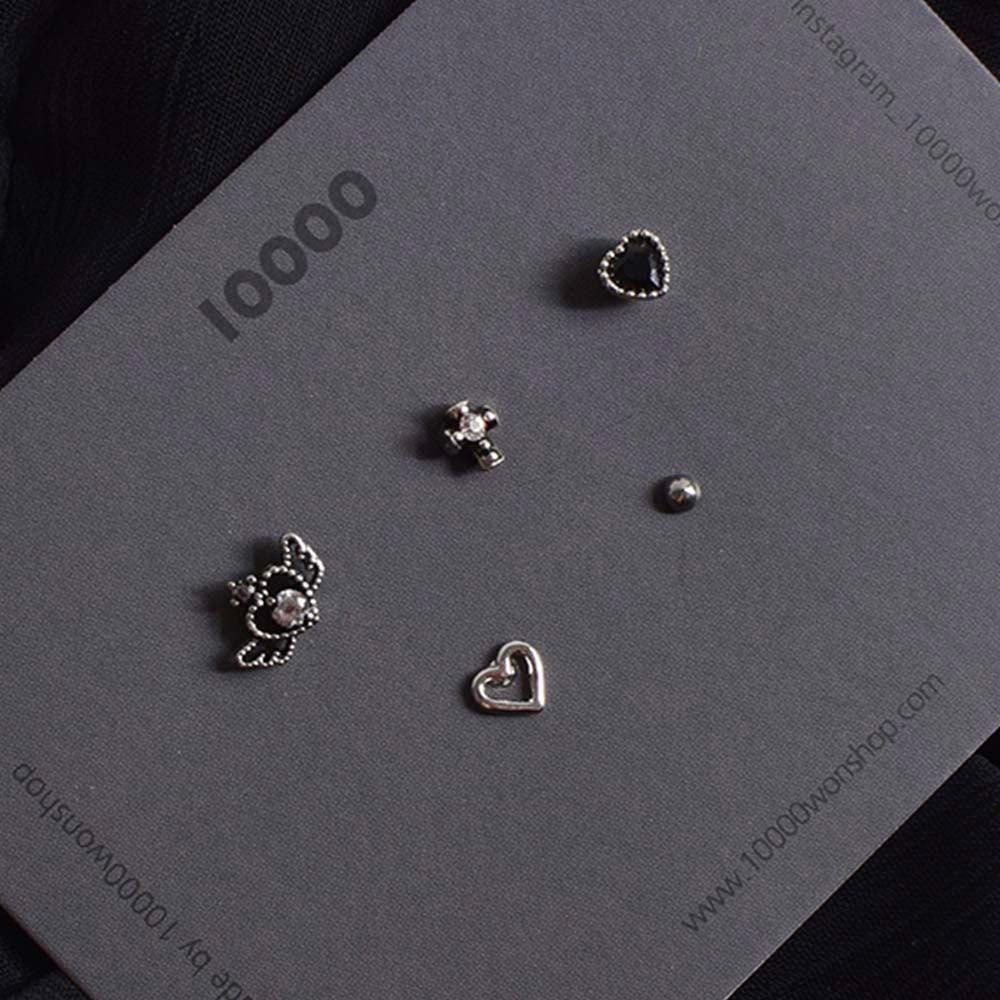
high-quality hypoallergenic piercing jewellery
The Manufacturing Standard: The Details that Matter
A safe material can be ruined by poor manufacturing. The two key signs of a high-quality manufacturer are:
- The Mirror Polish: Every piece of reputable body jewellery is polished to a flawless, mirror-like finish. This ensures the smoothest possible surface passes through your skin, minimising friction and preventing bacteria from colonising imperfections.
- Internal Threading or a Threadless Mechanism: As a direct solution to the “cheese grater effect” of external threading, professional jewellery uses two superior designs.More Details: In internally threaded jewellery, the screw thread is on the decorative end, and it screws into the smooth, hollow post. In threadless jewellery (a hugely popular modern innovation), the decorative end has a small pin attached, which is slightly bent and then secured inside the hollow post by tension. Both of these designs guarantee that only a smooth, polished surface ever passes through your piercing, ensuring your comfort and safety.
Where to Find High-Quality Hypoallergenic Piercing Jewellery in London
You now have the technical knowledge to identify a quality piece of jewellery. But where, in a city of thousands of shops, do you actually find it?
The Only Truly Reliable Source: Professional, Dedicated Piercing Studios
The answer is simple: the only place to reliably find genuine high-quality hypoallergenic piercing jewellery in London is at a reputable, professional piercing studio. These studios are not just service providers; they are expert curators.
More Details: A top-tier studio has already done all the hard work for you. They have spent years researching, vetting, and building relationships with the world’s best and safest jewellery manufacturers. They only stock brands that can provide verifiable mill certificates for their materials, proving their composition and quality. When you walk into a reputable studio, you can have complete confidence that every single piece in their display case meets the highest standards of safety.
What to Look For in a Studio’s Jewellery Selection
When you visit a studio, its jewellery counter is a window into its soul.
- Brand Recognition: Look for the names of world-renowned, reputable brands. These include BVLA (Body Vision Los Angeles), Anatometal, Industrial Strength, Maria Tash, Junipurr, and Buddha Jewelry Organics, among others. A studio that stocks these brands is a studio that has invested in quality.
- Knowledgeable Staff: The staff should not just be salespeople; they should be expert consultants. They should be able to tell you the exact material of any piece, explain the difference between threadless and internally threaded, and offer styling advice based on your anatomy.
- Transparent Pricing: The pricing should be clear and fair. High-quality jewellery is an investment, and the price will reflect the material (solid gold costs more than titanium) and the craftsmanship.
The Online Trap and The Risk of Counterfeits
While it can be tempting to search for these high-end brands online to find a better deal, this can be risky. The market for high-end body jewellery is unfortunately rife with counterfeits. These fakes may look identical in a photo but are often made from low-grade, plated materials. The safest way to buy online is directly from the manufacturer (if they sell direct to the public) or, more commonly, through the official online store of a reputable piercing studio that you trust.
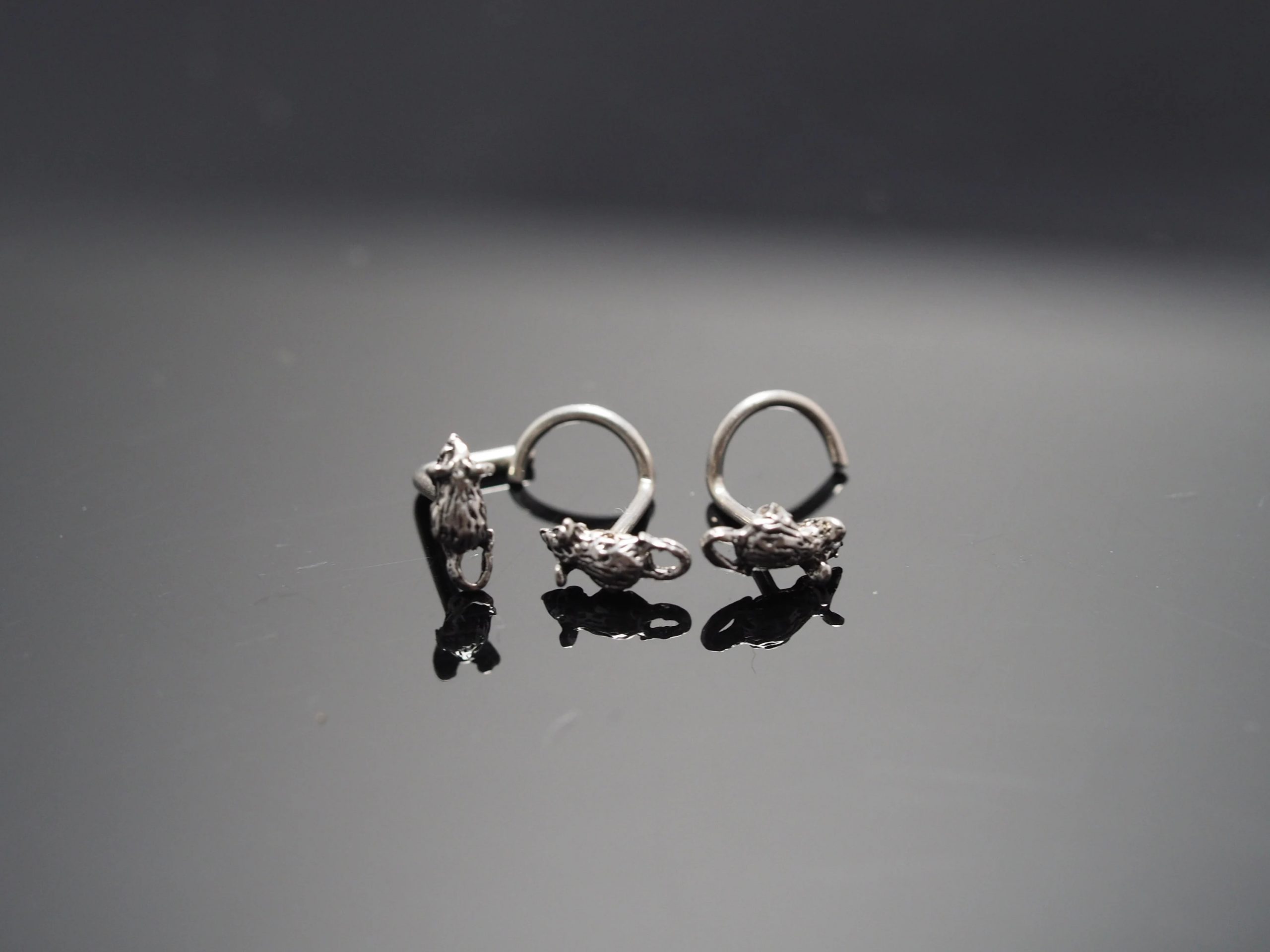
high-quality hypoallergenic piercing jewellery
Frequently Asked Questions (FAQ)
1. I have a severe nickel allergy. What are my absolute safest jewellery options?
Your safest options are Implant-Grade Titanium (ASTM F-136) or Niobium. These are elemental metals and are virtually free of nickel. Solid 14k/18k gold from a high-end, reputable manufacturer is also an excellent choice, as they use specific, nickel-free alloys, but titanium and niobium carry the absolute lowest risk for those with extreme sensitivities.
2. I bought a beautiful earring online. Can I bring it to your studio to be sterilised and fitted?
For your safety, we (and all other reputable studios) have a strict policy against installing jewellery from outside sources. We cannot verify its material composition, the quality of its surface polish, or whether it will survive the autoclave process. We can only stand behind the safety and quality of the jewellery we source ourselves from our trusted suppliers.
3. Is “hypoallergenic” a legally regulated term for jewellery?
No, it is not. The term “hypoallergenic” simply means “less likely to cause an allergic reaction.” It is a marketing term, not a medical or legal standard. This is why it is so important to ignore vague terms and instead ask for specific, verifiable material grades like “ASTM F-136 Titanium” or “Solid 14k Nickel-Free Gold.”
4. How much more expensive is high-quality piercing jewellery really?
While it is an investment, it doesn’t have to be prohibitively expensive. A basic, implant-grade titanium stud from a great brand will typically cost between £25-£40. A simple, solid gold end will usually start around £70-£80 and go up from there depending on the complexity and gemstones. While this is more than a £5 piece from a high-street shop, it is a one-time investment for a piece that is guaranteed to be safe and will last a lifetime.
5. How can I keep up with the latest jewellery trends and see what’s available in London?
The best way is to follow the Instagram accounts of the top-tier piercing studios in East London and across the city. They act as curated galleries, showcasing their latest arrivals from the world’s best designers and how they are being styled on real clients. Following the brands themselves (like BVLA, Junipurr, etc.) is also a great way to see new collections.
Conclusion
In the sophisticated and style-conscious world of London, your choice of piercing jewellery is a defining statement. It is a reflection of your personal aesthetic and your commitment to quality. The search for genuine high-quality hypoallergenic piercing jewellery in London is a journey away from the misleading world of fast-fashion accessories and towards the trusted, professional realm of fine body jewellery.
The investment you make in a piece from a reputable studio is more than just a purchase. It is an investment in your health, your comfort, and your personal style. It is the peace of mind that comes from knowing the art you wear in your body is as safe and well-crafted as it is beautiful.