
In the world of body art, some designs are chosen to tell a linear story, while others are chosen to evoke a feeling, a state of being. The Ornamental / Mandala Tattoo Style belongs to this second, more profound category. It is an art form that speaks the language of the soul, a visual meditation on the principles of balance, harmony, and the interconnectedness of all things. It is a style that transforms the body into a temple, adorning it with decorative, symmetrical designs that are as beautiful as they are spiritually resonant.
With its origin in the rich visual traditions of Eastern and Hindu art, this style has been embraced by the modern world as the ultimate expression of a calm, centred, and sophisticated aesthetic. The overall vibe is undeniably balanced, spiritual, and elegant. From the mesmerising, cosmic blueprint of a mandala to the delicate intricacy of lace patterns and the perfect harmony of floral symmetry, this genre is a celebration of pattern and precision. The creation of a flawless ornamental tattoo is a feat of immense technical skill, patience, and an unwavering commitment to perfection. Every line must be crisp, every dot placed with intention, and every element in perfect symmetrical balance.
At PinkTatPier, we are a collective of artists who specialise in this demanding and beautiful art form. Our pinktatpier studio services are designed for the discerning client who seeks a tattoo that is not just a picture, but a powerful, personal symbol of harmony. This is your definitive guide to the Ornamental / Mandala Tattoo Style. We will explore its ancient spiritual origins, deconstruct its key aesthetic features, and explain how our expert artists in London can work with you to create a breathtaking masterpiece of symmetry and meaning.
Ornamental / Mandala Tattoo Style
A Legacy of Spirit: The Origins of the Ornamental / Mandala Tattoo Style
To understand the modern Ornamental / Mandala Tattoo Style, one must look back not just decades, but centuries, to the sacred art and decorative traditions of the East. This is a style deeply rooted in spirituality and ritual.
From Sacred Circles to Modern Art: The Influence of Eastern and Hindu Art
The primary origin of this style’s most powerful motifs lies in the spiritual practices of Eastern and Hindu art.
- The Mandala as a Spiritual Tool: The mandala (a Sanskrit word meaning “circle”) is the core of this style.1 In Hindu and Buddhist traditions, a mandala is a sacred, geometric diagram that represents the cosmos, the universe, and the path to enlightenment.2 It is used as a spiritual tool for meditation, a focal point to guide the mind towards a state of balance and wholeness.3 Creating a mandala is itself a meditative act, a process of building a perfect, harmonious universe from the centre outwards.
- The Influence of Mehndi: The tradition of Mehndi, the art of creating intricate temporary patterns on the skin with henna, has also been a huge influence on the modern ornamental style. The delicate, flowing lines, the lace patterns, and the use of floral symmetry found in traditional Mehndi designs have been adopted and translated into permanent tattoo art, creating a look that is both decorative and deeply rooted in a tradition of bodily adornment.
The Modern Western Revival
The modern Ornamental / Mandala Tattoo Style as we see it in London studios today is a fusion of these ancient traditions with modern tattoo techniques. As artists in the West, particularly those in the blackwork and dotwork scenes, began to explore the possibilities of non-pictorial tattooing, they were drawn to the immense power and beauty of these ancient patterns. They took the spiritual blueprints of the mandala and the decorative elegance of Mehndi and began to render them with the clinical precision of a modern tattoo machine, using flawless linework and intricate dotwork to create a new, sophisticated, and globally influenced tattoo genre.
Deconstructing the Aesthetic: The Key Features of the Ornamental / Mandala Tattoo Style
The visual language of the Ornamental / Mandala Tattoo Style is precise, intricate, and immediately recognisable. It is defined by a specific set of style features that require immense technical control and a great eye for composition from the artist.
The Core Principle: Decorative, Symmetrical Designs
This is the foundational principle that defines the entire style. Every design, no matter how vast or complex, is built upon a framework of decorative, symmetrical designs.
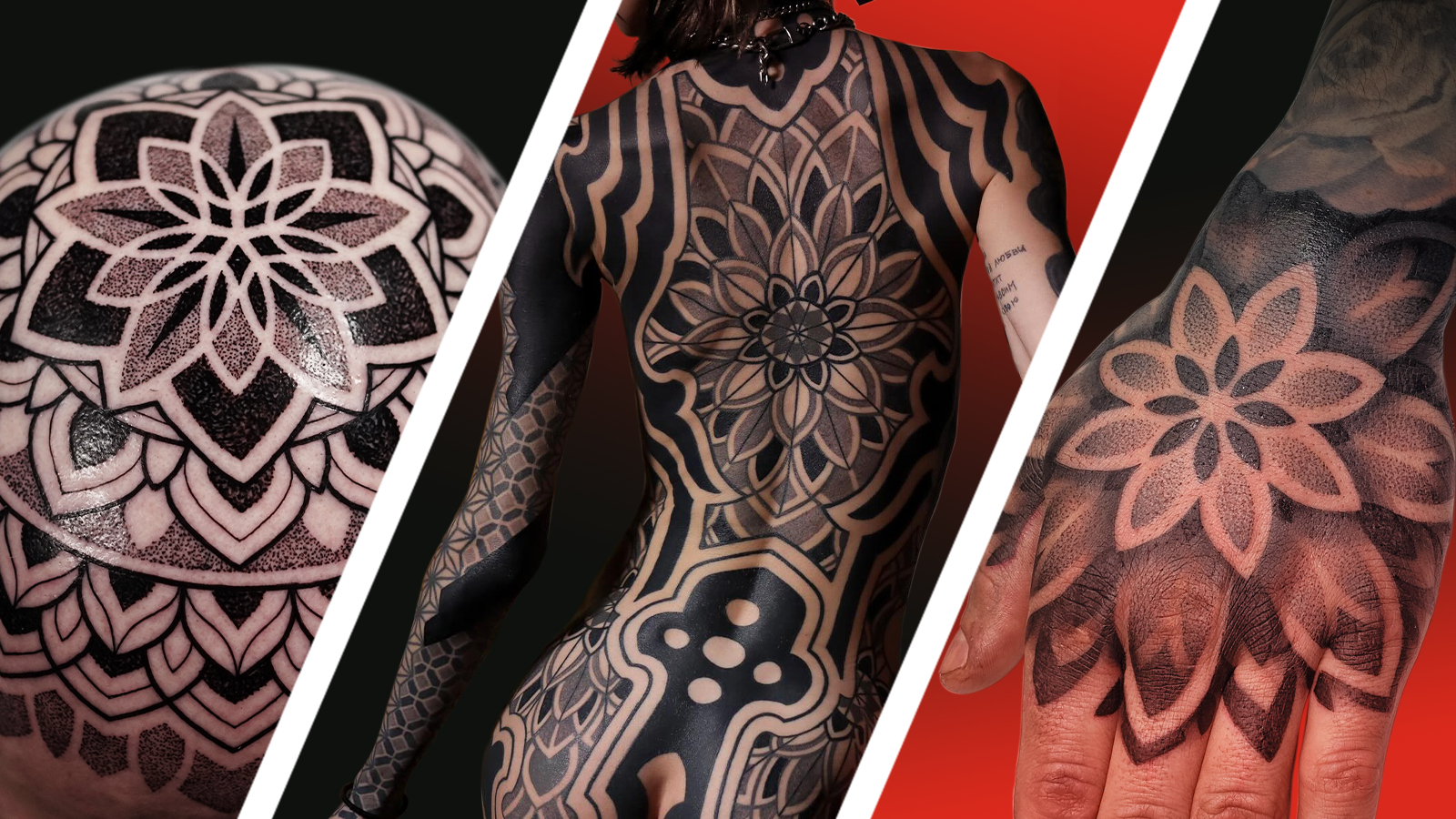
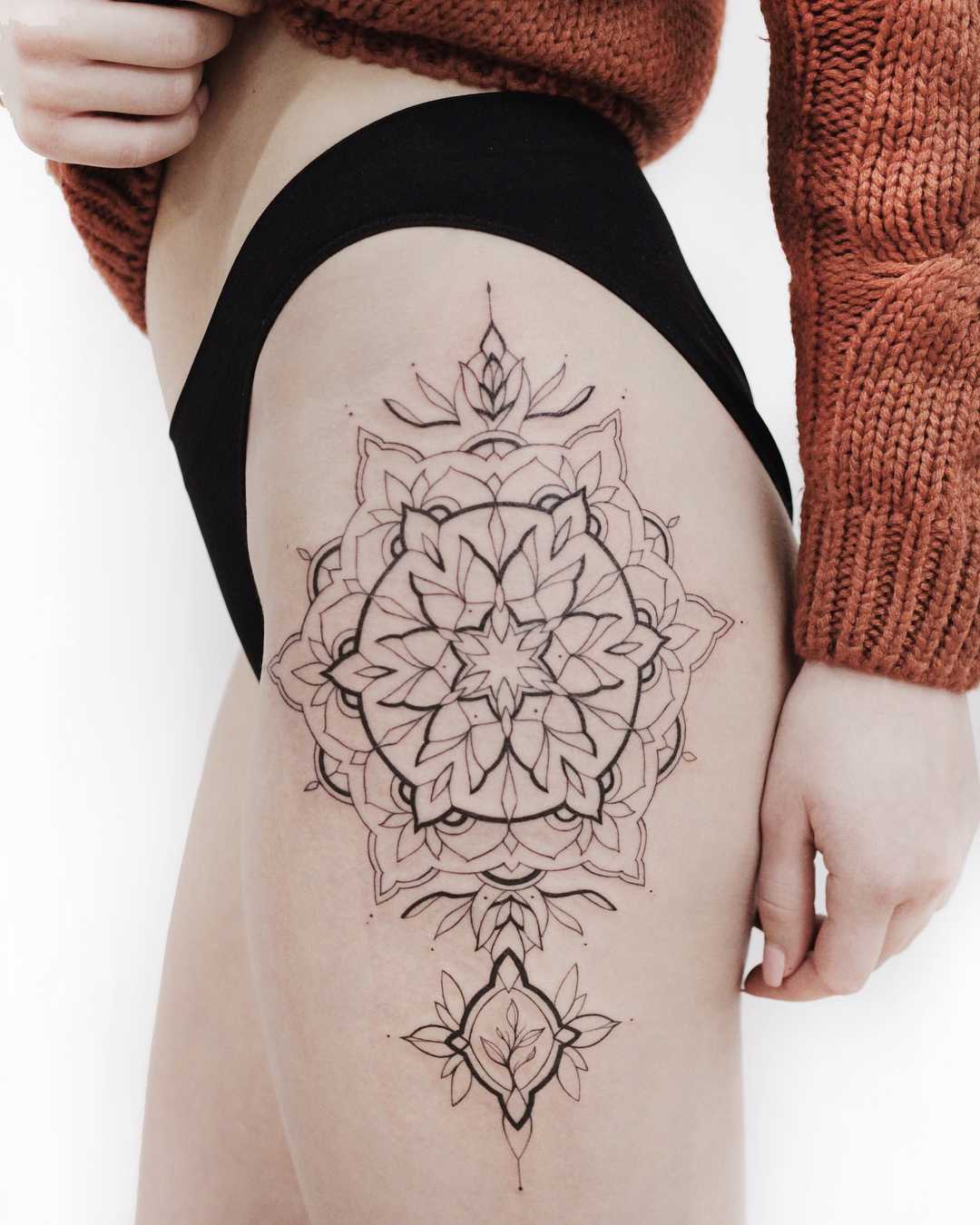
- The Power of Symmetry: Symmetry is the most crucial and defining element. The designs are almost always perfectly symmetrical, either radially (radiating out from a central point, like a mandala) or bilaterally (mirrored along a central axis, like for a sternum piece). This perfect symmetry creates the style’s signature sense of balance, harmony, and visual satisfaction.
- The Goal of Adornment: The primary purpose of this style is to adorn and beautify the body. The patterns are designed to flow with and accentuate the body’s natural contours, like a piece of permanent, intricate jewellery.
Ornamental / Mandala Tattoo Style
The Spiritual Blueprint: Inspired by Spiritual Geometry
These are not just pretty patterns. The style is often inspired by spiritual geometry, with each element holding a specific symbolic meaning. An artist who specialises in this style is not just a technician; they are a student of this symbolic language, able to create a design that is not just aesthetically pleasing, but is also a powerful personal talisman for the wearer.
The Techniques of Intricacy: Flawless Linework and Meticulous Dotwork
The execution of an Ornamental / Mandala Tattoo Style piece leaves absolutely no room for error. It is a style that lives and dies by its technical perfection, and it is primarily created using two key techniques:
- Crisp, Perfect Linework: The style demands flawless, crisp, and perfectly consistent lines to create the framework of the pattern.6 A shaky or wobbly line in an ornamental piece is immediately and glaringly obvious.
- Intricate Dotwork (Stippling): While some pieces are pure linework, the majority of modern ornamental tattoos use dotwork to create shading, texture, and gradients. Instead of smooth blending, the artist meticulously places thousands of tiny, individual dots. This technique requires a huge amount of time and patience but results in a beautiful, soft, and airy texture that perfectly complements the rigid lines of the style and gives it a gentle, spiritual feel.
A Lexicon of Harmony: Common Motifs and Their Meanings
While the possibilities for patterns are infinite, a certain lexicon of common motifs has become hallmarks of the genre.
The Mandala: A Universe on the Skin
The mandala is the quintessential motif of the style. It is a complete, self-contained universe, a spiritual blueprint rendered on the skin. Understanding its components reveals its deep symbolic power.
| Mandala Component | Common Symbolic Meaning |
| Central Point (Bindu) | The beginning, the source of creation, the seed of the universe. It is the point of pure consciousness from which all forms emerge. |
| The Circle | The most important element. It represents wholeness, unity, eternity, the divine, and the cyclical nature of life. |
| Lotus Petals | The lotus flower, which grows from the mud into a beautiful blossom, is a powerful symbol of purity, spiritual awakening, and enlightenment. |
| Square / Gate | A square within the circle often represents the material world, the earth, and the four cardinal directions. It signifies stability, structure, and balance within the spiritual universe. |
| Triangles | Triangles within the mandala can represent the classical elements (fire, water, air, earth), the trinity, or the direction of energy (upwards for spiritual aspiration, downwards for grounding). |
The Beauty of Adornment: Lace Patterns and Floral Symmetry
Beyond the mandala, the Ornamental / Mandala Tattoo Style embraces a wide range of decorative motifs.7
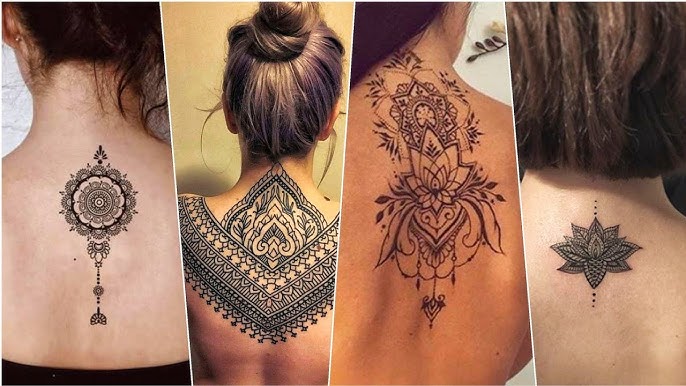
- Lace Patterns: Artists are often inspired by the intricate, delicate patterns of lace, creating tattoos that look like a piece of fine, permanent lingerie on the skin.
- Floral Symmetry: A common motif is the use of floral symmetry, where flowers and leaves are arranged in a perfectly balanced, repeating pattern. This combines the organic beauty of nature with the harmonious order of geometry.
Ornamental / Mandala Tattoo Style
The Vibe & Placement: Creating a Balanced and Elegant Masterpiece
The unique combination of these elements creates a very specific and powerful overall vibe that appeals to a client who is looking for a tattoo that is both visually stunning and spiritually resonant.
The Feeling of Ornamental: Balanced, Spiritual, Elegant
The Ornamental / Mandala Tattoo Style is, above all, balanced. The intense focus on symmetry and repeating patterns creates a sense of harmony and order that is deeply calming and aesthetically pleasing. It is often a spiritual choice; the connection to spiritual geometry and the meditative process of creating the design imbues the style with a philosophical quality. And finally, it is incredibly elegant. The intricate, delicate linework and dotwork, combined with the graceful flow of the patterns, create a look that is sophisticated, refined, and timeless.
The Ideal Canvases: Best Placements for Ornamental Tattoos
The need for a stable, symmetrical canvas to accommodate the often large and intricate nature of ornamental designs makes certain placements ideal.
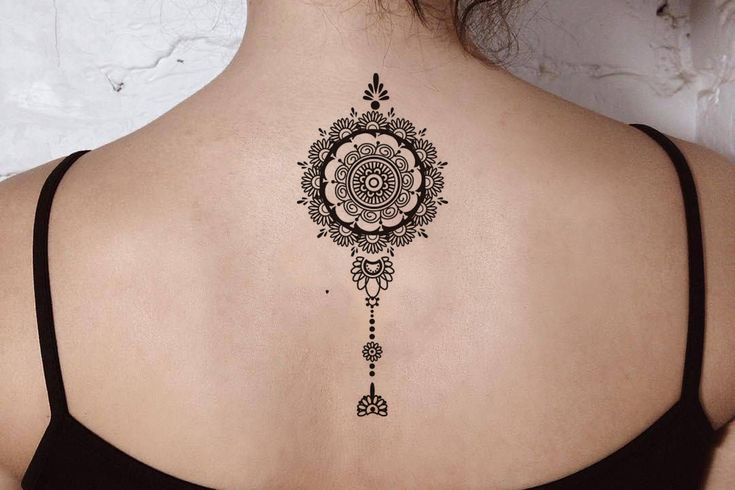
- The Best Placements: The arms, chest, sternum, and back are the perfect locations for this style. The sternum is the quintessential placement for a central “underboob” mandala, as it sits on the body’s midline. The chest offers a powerful canvas for a large, symmetrical piece. The full back is the ultimate canvas for a truly epic, large-scale mandala or sacred geometry piece. The arms are perfect for wrapping patterns, creating a “sleeve” of intricate lace or geometric designs.
The PinkTatPier Experience: Your Ornamental Tattoo Service in London
A perfect ornamental tattoo is a testament to the artist’s patience, precision, and unwavering focus. At PinkTatPier, our pinktatpier studio services include dedicated specialists in the art of ornamental, geometric, and dotwork tattooing.
Our Specialist Ornamental Artists
Creating a flawless ornamental piece requires a unique skill set. Our specialists have dedicated their careers to perfecting the art of the perfect line, the flawless circle, and the patient application of dotwork. They have an almost obsessive commitment to precision and a deep understanding of the mathematical principles of pattern and symmetry that are the foundation of this style.
The Custom Design Consultation: A Collaborative Blueprint
Your journey begins with an in-depth, collaborative consultation. An Ornamental / Mandala Tattoo Style piece must be perfectly fitted to your body’s unique contours. Our artist will work with you to create a completely original design that is not only beautiful but is also perfectly scaled and shaped to flow with your anatomy. This bespoke design process is a hallmark of our professional pinktatpier studio services.
Frequently Asked Questions (FAQ)
1. Does an ornamental tattoo hurt more than other styles?
The pain level is similar to any other tattoo. However, because ornamental tattoos often involve long, continuous lines and extensive, time-consuming dotwork, the sessions can be long and require a high level of endurance. The repetitive nature of dotwork can be particularly intense for some clients.
2. How well does the Ornamental / Mandala Tattoo Style age?
It ages exceptionally well. The style is built on a foundation of clean, crisp lines and a strong understanding of contrast. Even if the delicate dotwork softens slightly over many decades, the core geometric structure of the design will remain strong and readable for a lifetime.
3. Can you create a custom mandala for me with my own personal symbols integrated into it?
Yes, absolutely. This is a beautiful way to make a classic design uniquely your own. Our artists are experts at taking your personal symbols and weaving them into the traditional structure of a mandala or another ornamental pattern in a way that is both harmonious and deeply meaningful.
4. How much does a large mandala or ornamental tattoo cost?
The cost of any tattoo is based on the time it takes to complete. Ornamental tattoos, particularly those with a high level of detail and extensive dotwork, are very time-consuming to create. You should expect a large ornamental piece to be a significant investment, often charged at an artist’s full-day rate.
5. What is the difference between the Ornamental and Geometric styles?
The two styles are very closely related and often overlap. The Geometric style is a broad category focused on all shapes and symmetry. The Ornamental / Mandala Tattoo Style is a sub-genre of the Geometric style that specifically focuses on creating decorative, often spiritual and flowing patterns, inspired by things like mandalas, lace, and mehndi, rather than just abstract shapes.
Ornamental / Mandala Tattoo Style
Conclusion
The Ornamental / Mandala Tattoo Style is a profound and powerful art form. It is a journey into the beauty of order, the elegance of mathematics, and the spiritual power of universal symbols. It is a choice for the individual who seeks a tattoo that is both intellectually stimulating and aesthetically breathtaking. Its creation is a testament to the meditative focus and technical mastery of a specialist artist.