
Getting Your Navel Piercing in London: Be Ready for Summer in the City

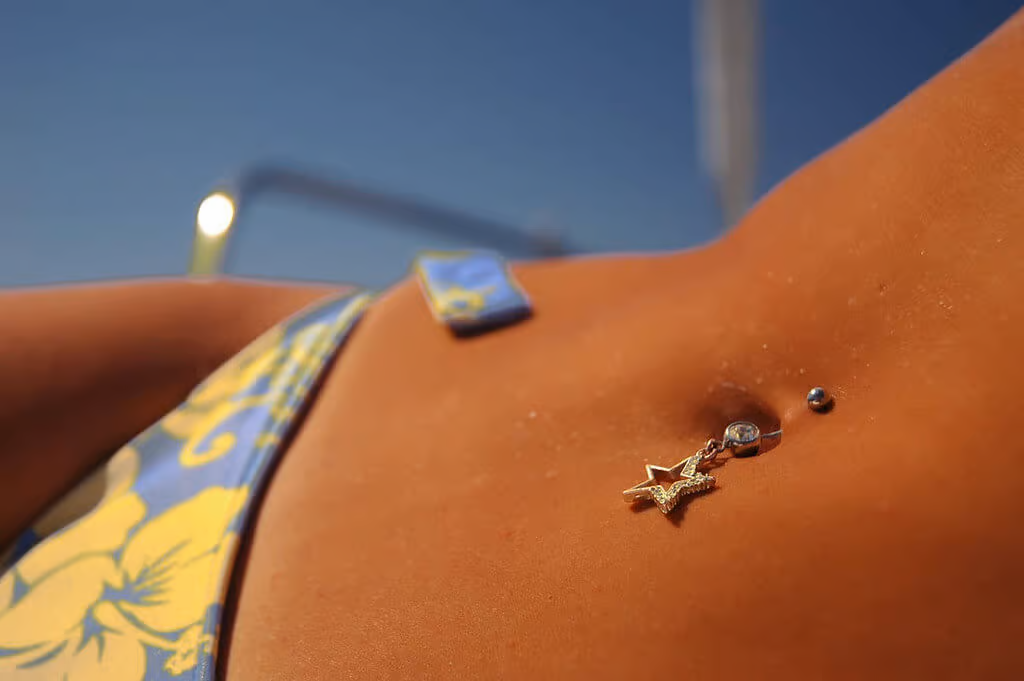
Summer in London. It’s a feeling, a vibrant energy that pulses through the city’s parks, festivals, and sun-drenched rooftops. It’s a season of self-expression, where fashion becomes bolder and more personal. For decades, one of the most iconic and enduring symbols of this summer confidence has been the navel piercing. From a subtle, sparkling gem peeking out from a crop top to an elegant, dangling piece of jewellery, a well-placed navel piercing is the ultimate summer accessory.
But here is the crucial secret that every piercing professional knows: the perfect summer navel piercing isn’t created in May or June. It’s created in the autumn and winter.
The decision to get a navel piercing in London is an exciting one, but it requires foresight and patience. The long healing journey means that timing is everything. This article is your complete strategic guide for those who are planning ahead. We will explain why the colder months are the golden window for this piercing, delve deep into the critical importance of anatomy, walk you through the professional procedure, and provide a comprehensive aftercare plan. Our goal is to give you all the information you need to ensure that when next summer arrives, you are not nursing a new, delicate piercing, but proudly showing off a beautifully healed, stunning piece of body art.
navel piercing
The Golden Rule of Summer Piercings: Why Autumn is the Perfect Time
The single biggest mistake clients make with a navel piercing is getting it done too close to summer. The vision of getting pierced in May and showing it off on the beach in July is, unfortunately, a fantasy that often leads to complications and disappointment. A navel piercing in London, done correctly, requires a significant healing period, and the summer season is its worst enemy.
Understanding the Long Healing Journey: A 9-12 Month Commitment
A navel piercing passes through a thick fold of tissue with a relatively limited blood supply.1 It is also in an area of the body that moves, twists, and flexes constantly. For these reasons, the healing time is one of the longest for any common piercing.
- Initial Healing: The first 2-3 months are the initial phase, where the piercing is an open wound and most vulnerable.
- Full Maturation: However, for the internal channel of tissue (the fistula) to become fully robust, stable, and truly healed, it takes anywhere from 9 to 12 months.
Attempting to rush this process is a recipe for disaster. Healing cannot be sped up; it can only be properly supported or unfortunately hindered.
The Enemies of a Healing Navel Piercing: A List of Summer Irritants
The summer months present a host of challenges that can severely irritate a new navel piercing and prolong the healing process.
- Sweat and Moisture: Summer in the city means more activity and more sweat. A healing piercing needs to be kept clean and dry. Constant moisture from perspiration can create a breeding ground for bacteria and lead to stubborn irritation.
- Swimming: This is a non-negotiable “don’t.” Chlorine from swimming pools and hot tubs is a harsh chemical that will severely irritate a new piercing.2 Bacteria found in oceans, lakes, and rivers can cause serious infections.3 A new navel piercing must be kept out of these bodies of water for at least the first few months.4
- Sun Exposure: The skin around a new piercing is delicate and regenerating. Direct exposure to strong UV rays can cause hyperpigmentation (darkening of the skin), lead to excess scarring, and can even damage the healing tissue.
- High-Waisted Fashion: Summer fashion often involves high-waisted shorts, skirts, and trousers.5 The waistbands of these garments sit directly on or rub against a navel piercing, causing constant friction and pressure.6 This mechanical irritation is one of the leading causes of migration and rejection.
- Increased Activity: Summer often means more travel, festivals, and physical activity, all of which increase the chances of your new, sensitive piercing being accidentally snagged or bumped.
navel piercing
The Autumn & Winter Advantage: The “Healing Season”
By getting your navel piercing London between October and January, you give your body the best possible environment to heal.
- Cooler Temperatures: Less sweat means a cleaner, drier piercing site.
- Protective Clothing: Loose, soft jumpers and comfortable layers protect your new piercing from accidental bumps and snags without causing the friction of tight summer clothes.
- No Temptation to Swim: The cold weather removes the temptation to go for a swim, allowing your piercingto heal undisturbed.
- Time on Your Side: By the time the warm weather of next summer rolls around, your piercing will be 9-10 months old. It will be fully healed, stable, and resilient. You will be able to swim, enjoy the sun (with sunscreen!), and wear whatever you like without a single worry. Planning ahead is the key.
Are You a Candidate? The Crucial Navel Anatomy Check
This is perhaps the most important and least-understood aspect of getting a navel piercing. Not everyone’s anatomy is suitable for a traditional navel piercing. A reputable, professional piercer will always perform a thorough anatomical assessment before even discussing the procedure. This honesty is a hallmark of a top-tier studio.
The Myth of the “Innie” vs. “Outie”
The simplistic idea that you can get a navel piercing if you have an “innie” and not if you have an “outie” is incorrect. The suitability has nothing to do with this and everything to do with the structure of the skin above the navel itself.
What We Actually Look For: The Anatomy of a Traditional Navel Piercing
For a traditional navel piercing (with a gem at the bottom and a ball at the top) to heal successfully, a very specific anatomical structure is required:
- A Distinct “Lip” or Flap: There must be a clear, defined flap of tissue at the top of your navel that the piercing can pass through.
- Sufficient Room Behind the Lip: When you stand, there needs to be enough space behind this flap for the bottom of the jewellery to sit comfortably without pressing into your skin.
- The Navel Must Not Collapse When Sitting: This is the critical test. When you sit down and your stomach naturally compresses, your navel should retain its shape.
When a Traditional Piercing Won’t Work (And Why That’s Okay!)
For many people, when they sit down, their navel “winks” or collapses. The top and bottom of the navel press together, leaving no room for the bottom of the jewellery. If a traditional piercing is performed on this type of anatomy, the constant pressure from sitting and bending will push the jewellery outwards. This leads to:
- Chronic Irritation: The piercing will never be comfortable.
- Migration and Rejection: The body will slowly and surely push the jewellery out of the skin, often leaving a significant scar.
An inexperienced or unethical piercer will ignore this and perform the piercing anyway, taking your money and leaving you with a piercing that is destined to fail. This is why a proper anatomical assessment for a navel piercing London is non-negotiable.
The Professional Solution: The “Floating” Navel Piercing
If you don’t have the right anatomy for a traditional piercing, it does not mean you cannot get your navel pierced! A skilled professional will offer you a beautiful and viable alternative: the floating navel piercing.
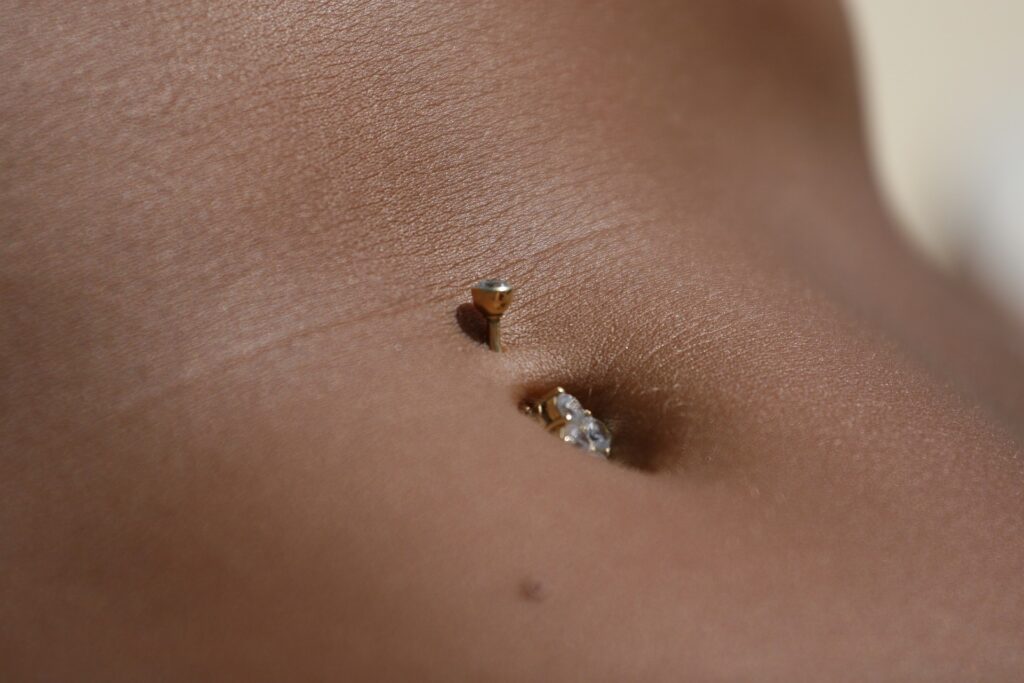
- What It Is: A floating navel is pierced in the exact same spot as a traditional one. The difference is the jewellery. Instead of a curved barbell with a large gem at the bottom, we use one with a small, flat disc for the bottom.
- How It Works: The flat disc sits comfortably inside the navel, and because it has no protruding gem, it doesn’t get pushed out when you sit down. All the decoration is on the top, giving the “floating” illusion of a beautiful gem sitting on the surface of your skin.
- The Result: A stunning, comfortable, and, most importantly, viable piercing that is perfectly suited to your body. Offering this alternative is a clear sign that you are in the hands of a true professional who prioritises your long-term piercing health over making a quick sale.
navel piercing
The Procedure: A Safe and Precise Experience
Once your anatomy has been assessed and you’ve decided on the right style of navel piercing for you, the procedure itself is a calm and meticulous process.
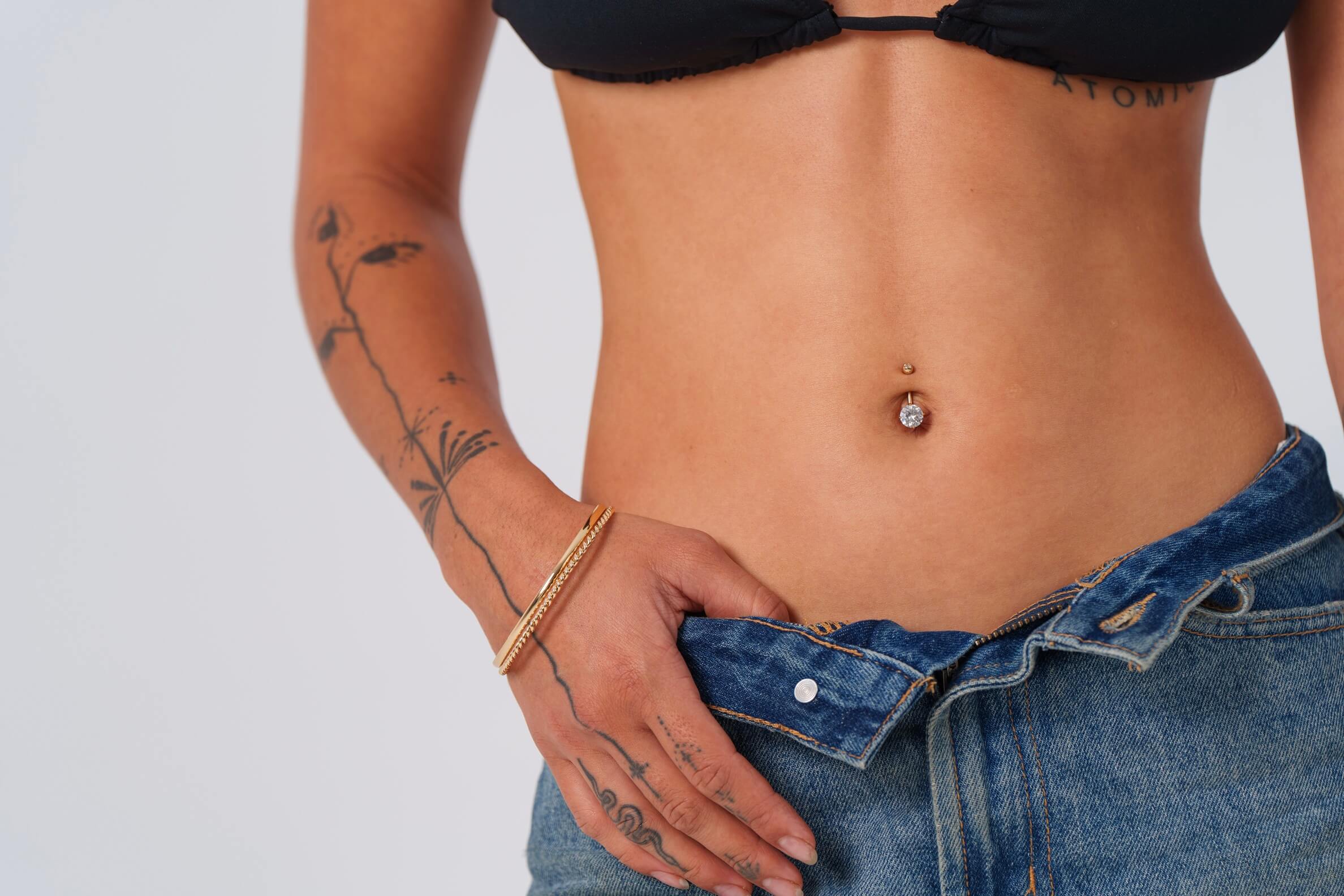
- Consultation and Jewellery Selection: You will work with your piercer to select your initial jewellery. This must be a curved barbell made from implant-grade material (like titanium) and measured to the perfect length for your anatomy, with a little extra room for swelling.
- The Marking: This is a crucial step. The piercer will ask you to stand up straight and will use a sterile skin marker to place a dot on the top flap. Then, they will ask you to sit down or slouch to see how your navel moves. They will then mark the bottom exit point. The goal is to ensure the piercingis perfectly vertical when you are standing. You will be shown the marks in a mirror and must give your full approval before they proceed.
- The Piercing: You will lie down comfortably on a piercing bench. The piercer will use sterile forceps to hold the flap of skin securely. They will then coach you through your breathing, asking you to take a deep breath in and a long, slow breath out. On the exhale, they will pass the sterile, single-use needle through in one smooth, quick motion.
- Jewellery Insertion: The jewellery is then inserted, often with a sterile taper pin to ensure a seamless and trauma-free transfer. It is secured, the area is cleaned, and you’re done!
The Healing Journey: A 9-12 Month Commitment
Patience is the most important virtue when healing a navel piercing.
The Initial Healing Phase (First 2-3 Months)
During this time, your piercing is an open wound. It will be tender, red, and may secrete a clear or yellowish fluid (“crusties”). Your aftercare routine must be diligent.
The Long Maturation Phase (Months 3-12)
After the initial phase, your piercing will start to look and feel much better. However, it is not healed. The internal fistula is still fragile and strengthening. Continuing to be mindful of your piercing during this time is essential for its long-term health.
Navel Piercing Aftercare: The Dos and Don’ts
| Do ✅ | Don’t ❌ |
| Clean 1-2 times a day with sterile saline solution. | Do not touch, twist, or fiddle with the jewellery. |
| Pat the area dry with a clean paper towel after cleaning and showering. | Do not use harsh chemicals like alcohol, peroxide, or tea tree oil. |
| Wear loose, low-rise clothing to avoid friction. | Do not submerge the piercing in baths, pools, or the ocean. |
| Be very careful with towels after showering. | Do not sleep on your stomach. |
| Maintain a healthy lifestyle to support your immune system. | Do not change the jewellery until it is fully healed. |
Troubleshooting: Rejection vs. Irritation
- Rejection: This is when your body actively pushes the jewellery out. Signs include the piercing becoming shallower over time (more of the bar becomes visible), and the skin between the entry and exit holes becoming thin, red, and flaky. If you suspect rejection, you must see your piercer immediately to have the jewellery removed to minimise scarring.
- Irritation: This usually manifests as redness, swelling, or the formation of a dreaded “irritation bump.” It is almost always caused by an external factor: snagging the jewellery, sleeping on it, wearing tight clothing, or moisture. The key is to identify and eliminate the cause.
Frequently Asked Questions (FAQ)
1. When is the absolute latest I can get a navel piercing for it to be ready for summer?
To be safe and truly ready for swimming and sun, we strongly recommend getting your navel piercing no later than the end of September the year before. An October or November piercing is ideal. Piercing it in spring (March/April) is risky; it will not be fully healed by summer and will still be very delicate.
2. I was told I can’t get a navel piercing. Is a floating navel piercing just as nice?
Yes, absolutely! Floating navel piercings are beautiful and allow for a huge range of stunning decorative tops. They give the exact same aesthetic from the top view. Many clients who were initially disappointed that they couldn’t get a traditional piercing have ended up loving their unique and comfortable floating navel piercing.
3. Will I have to take my navel piercing out if I get pregnant?
It is highly recommended. As your belly grows, the skin will stretch significantly, which can cause the piercing to migrate or reject, often leaving a significant scar. You can replace the metal jewellery with a flexible, long PTFE (bioplast) retainer to keep the channel open, but most people choose to remove it and have it re-pierced after childbirth if they wish.
4. Does losing or gaining weight affect a navel piercing?
Minor weight fluctuations will have no effect. However, significant and rapid weight changes can cause the skin to stretch or become looser, which can alter the way the piercing sits.7
5. What is the average price for a high-quality navel piercing in London?
For a professional navel piercing in London in 2025, you should expect to pay a service fee of around £35-£55, plus the cost of the initial implant-grade jewellery, which typically starts around £25-£40 for a basic titanium curved barbell.
6. Can I do sit-ups or go to the gym with a new navel piercing?
You should avoid any exercises that put direct pressure or strain on your abdominal area (like sit-ups or crunches) for at least the first month. General exercise is fine, but be mindful of sweat. Always clean your piercing with saline solution immediately after a workout.
navel piercing
Conclusion
A beautiful, sparkling summer navel piercingis the result of foresight, patience, and professional execution. The secret isn’t a quick fix before your holiday; it’s the thoughtful decision to get pierced during the autumn or winter “healing season.” By giving your body the time and the ideal environment to heal, you are guaranteeing a result that is not only beautiful but also healthy and stable for years to come. Choosing the right piercer—one who will honestly assess your anatomy and prioritise your long-term health—is the most critical step in this process.