How to get an Islamic tattoo done in London by a Muslim tattoo artist

For a growing number of Muslims in London and across the diaspora, the skin is becoming a canvas for identity. It’s a place to articulate a deep connection to culture, spirituality, and heritage in a world that is constantly changing. The decision to wear a piece of Islamic-inspired art—be it the elegant sweep of Arabic calligraphy or the mesmerising order of a geometric pattern—is a deeply personal and powerful one. It is a modern dialogue between timeless tradition and individual expression.
We recognise that this is a path walked with thoughtfulness and intention. The intersection of body art and Islamic tradition is a space that demands respect, knowledge, and care. This guide is offered not to sway you, but to serve as a compassionate companion for those who have already chosen this form of expression.
Our goal is to provide a clear and respectful roadmap. We will navigate the cultural context together, explore the breathtaking vocabulary of Islamic-inspired art, and offer practical advice on how to connect with a Muslim tattoo artist in London—a creative partner who can honour your vision with the skill and reverence it deserves.
Navigating the Spiritual Landscape: The Context of Tattoos in Islam
Embarking on this journey requires an honest acknowledgment of the spiritual and scholarly traditions within Islam regarding tattoos. Understanding this context is the foundation upon which a respectful and meaningful decision is built.
Muslim tattoo artist
The Voice of Scholarly Tradition
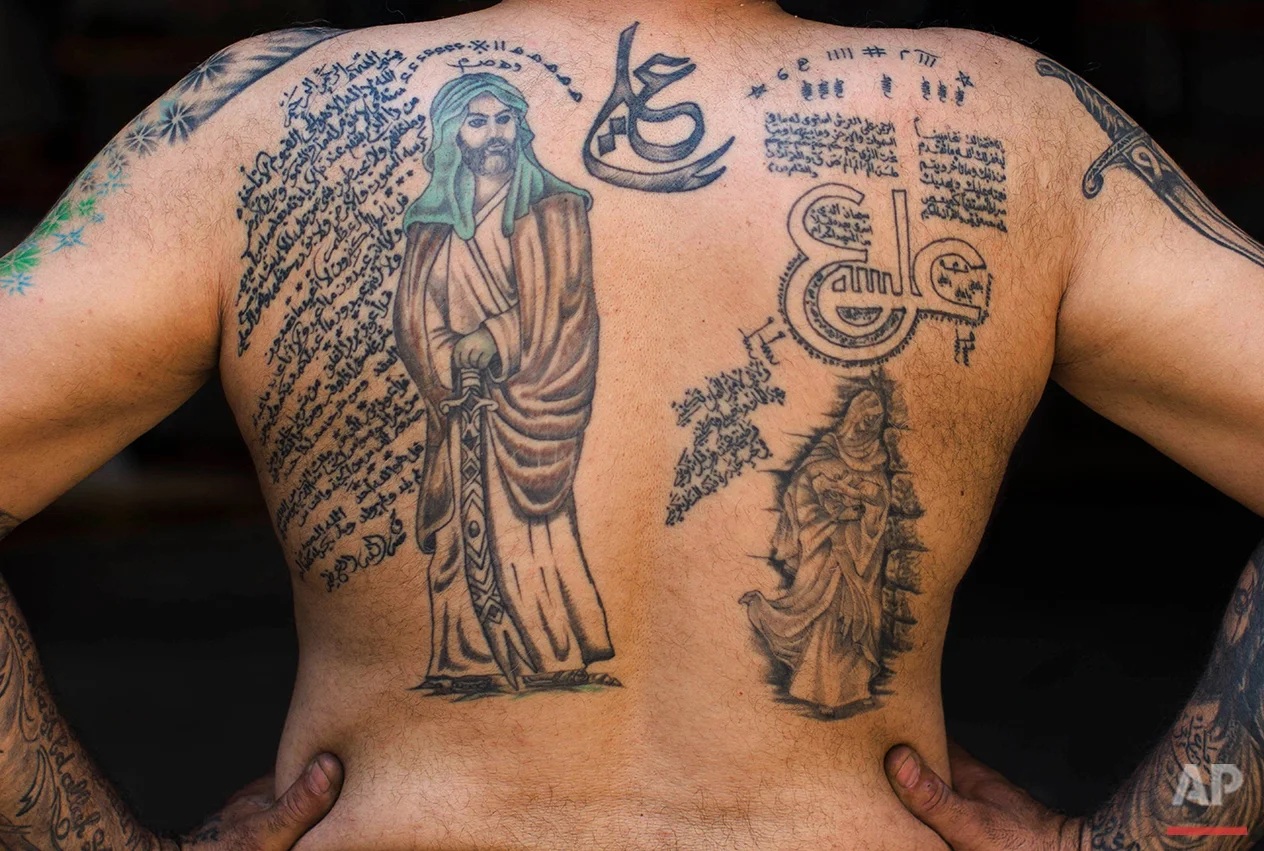
It is a widely held position among the vast majority of Islamic jurists and scholars that permanent tattoos are considered haram (impermissible). This perspective is rooted in hadith (narrations of the Prophet Muhammad, peace be upon him) which speak against the act of permanently altering one’s physical form. The core theological principle is often cited as a prohibition against changing the creation of God (Allah), viewing the body as a trust to be cherished as it was made. For many Muslims, this established scholarly view is a clear and definitive guide.
The Principle of Intention (Niyyah) in a Modern World
Many contemporary Muslims who choose to get tattoos do so by focusing on the paramount Islamic principle of niyyah, or intention. From this perspective, the act is not one of rebellion or dissatisfaction with God’s creation. Instead, the intention is to adorn the body with a permanent, beautiful reminder of one’s faith, heritage, or core values.
It can be seen as a way to carry a piece of home, to wear a word like “Patience” (Sabr) as a spiritual amulet, or to celebrate the beauty of Islamic art. For these individuals, the tattoo becomes a deeply personal and affirmative act, a way of externalising an inner identity.
The Path of Reverence
This nuanced context means that for those who proceed, the choice of what to tattoo and where to place it becomes an act of devotion in itself. The guiding principle is reverence—ensuring the chosen art honours, rather than diminishes, the sacred traditions it comes from.
The Vocabulary of Islamic-Inspired Tattoos
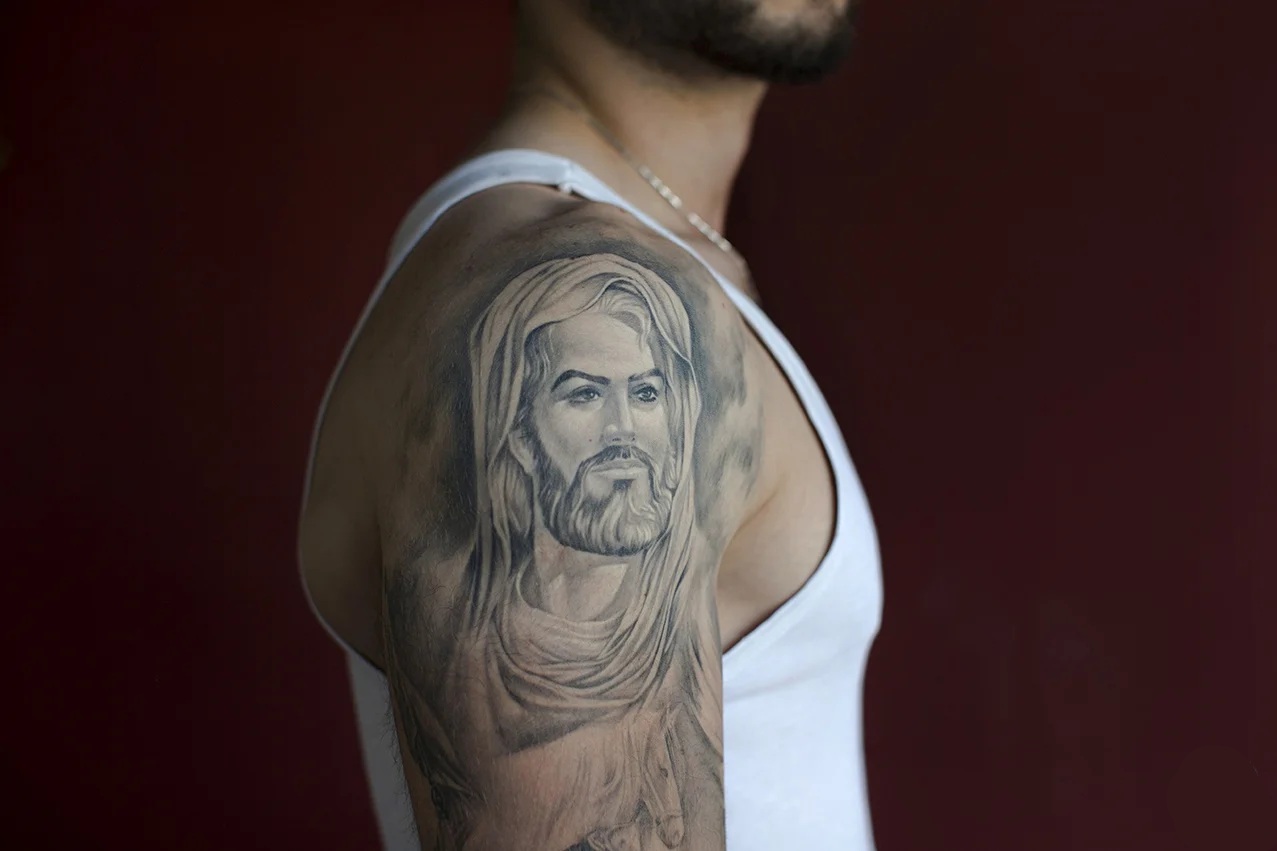
Free from the constraints of figurative representation, Islamic art developed a rich and profound visual language. This tradition offers an endless well of inspiration for stunning and meaningful tattoos.
Muslim tattoo artist
The Sanctity of the Word: Arabic Calligraphy
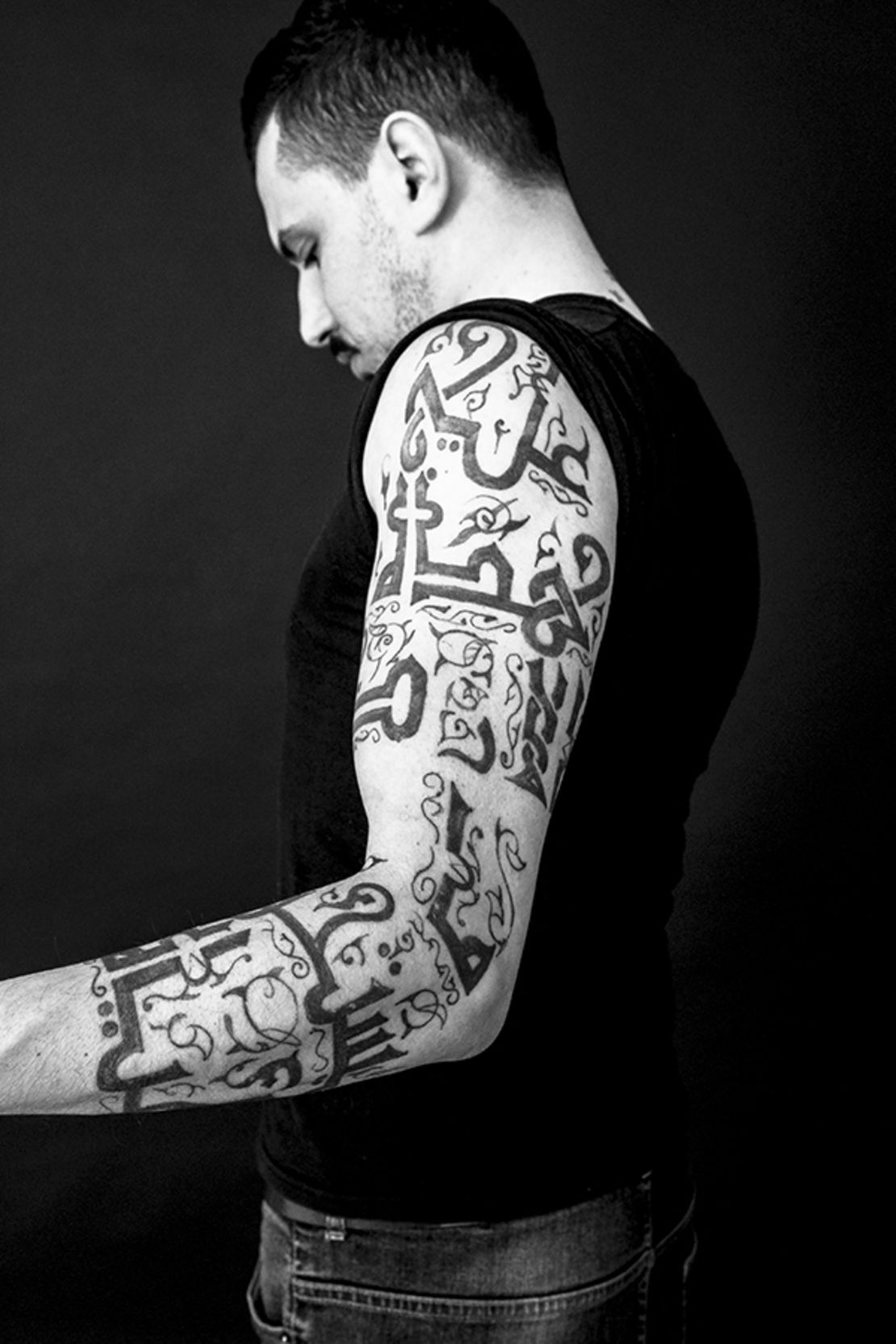
Calligraphy is perhaps the most revered art form in the Islamic world, often described as “visible music” or “the geometry of the spirit.” It is a natural and beautiful choice for a tattoo that speaks volumes.
- Choosing a Script: The script you choose affects the entire mood of the piece. The ancient, angular Kufic script feels monumental and grounded, while the elegant, cursive Thuluth or Naskh scripts offer a sense of grace and flow.
- The Weight of the Words:
- Verses from the Holy Qur’an: This is the most sacred and sensitive choice. The Qur’an is the literal word of God, and its presence on the skin carries an immense spiritual weight and responsibility. The body is in a constant state of flux, and cannot always maintain the ritual purity (wudu) traditionally required to handle the holy text. Many therefore feel it is more reverent to avoid using direct scripture.
- Sufi Poetry & Lyrical Wisdom: A deeply spiritual and widely embraced alternative is to use the words of revered poets like Rumi, Hafez, or Ibn Arabi. Their verses on love, faith, and the human journey offer profound meaning without being scriptural.
- A Single, Resonant Word: Sometimes, the most powerful statement is the simplest. A single word can serve as a lifelong mantra or a core value:
- سلام (Salaam): Peace
- الحق (Al-Haqq): The Truth (one of the 99 names of God)
- أمل (Amal): Hope
- An Unbreakable Rule: If you are not a fluent, native speaker of Arabic, you must have your chosen text verified. Do not rely on internet searches. Have it written out by a trusted native speaker, and then have it checked by one or two more. This non-negotiable step ensures your permanent tribute is accurate and respectful.
A Glimpse of the Infinite: Geometric Patterns (Arabesque)
The intricate, repeating geometric patterns found on the walls of mosques from Cordoba to Isfahan are a visual representation of the infinite and unified nature of God. These patterns, known as Arabesque, are a perfect choice for larger tattoo work, such as sleeves or back pieces. A geometric tattoo is a meditation on order, harmony, and the underlying mathematical beauty of the universe.
Finding Your Creative Partner: The Search for a Muslim Tattoo Artist in London
The final and most crucial step is finding the right artist. You are not simply commissioning a service; you are entering into a creative partnership built on trust and mutual understanding. In a city as diverse as London, finding an artist who shares your cultural background is more possible than ever.
The Value of Shared Understanding
Any skilled artist can trace a line, but a Muslim tattoo artist in London brings a “cultural shorthand” to the process. They will inherently understand the reverence required for the subject matter. They can offer informed advice on respectful placement, appreciate the nuances of different calligraphic styles, and share in the cultural significance of your piece. This shared context can transform the experience from a simple transaction into a meaningful collaboration.
Muslim tattoo artist
A Strategic Search on Social Media
Instagram is your primary tool for this search. A strategic approach will yield the best results.
- Begin Broadly: Search tags like #londontattoo and #uktattoo to see the general landscape of talent.
- Focus Your Search: Use more specific hashtags to find specialists. Combine them for better results:
- #arabictattooLondon or #arabiccalligraphy
- #geometrictattooLondon or #mandalatattooLondon
- #muslimartist or #islamicart (these are broader, but may reveal artists with the right sensibility)
- Read Beyond the Pictures: When you find a portfolio you like, read the artist’s bio and captions. Do they speak about their connection to this type of art? Do they post about their process? Look at client comments and reviews to get a sense of their professionalism and approach.
The Consultation: A Dialogue of Trust
The consultation is your opportunity to ensure you’ve found the right person. It should be a respectful dialogue where you feel comfortable and heard.
Essential topics to discuss:
- “I am looking for a design rooted in Islamic art and culture. What is your experience and comfort level with this?”
- “Could we look at some of your healed calligraphy or intricate pattern work?”
- “For a phrase with spiritual meaning, where on the body would you recommend placing it to ensure it is honoured?”
- “What is your process for verifying the accuracy of a text you are not fluent in?”
An artist who is right for this journey will welcome these questions and engage with you in a thoughtful, respectful conversation.
Frequently Asked Questions (FAQ)
1. Is it disrespectful to get a tattoo of a Qur’anic verse?
This is a very personal and sensitive question. While many feel it is, others proceed with extreme care. The consensus among those who do is that the text must be treated with the highest reverence. This means placing it on the upper body (chest, back), keeping it covered in impure places (like the toilet), and understanding the spiritual responsibility it entails.
2. What about “halal” or temporary tattoos?
For those who love the aesthetic but are not comfortable with permanent ink, temporary options like Jagua (which stains the skin black for a couple of weeks) are a fantastic alternative. They allow you to wear beautiful calligraphy or patterns without the religious implications of a permanent change.
3. Where is the most respectful place for an Islamic tattoo?
Honouring the art means thoughtful placement. The upper body is generally considered more respectful. Locations like the inner forearm, biceps, back, shoulders, or across the collarbones are popular because they are closer to the head and heart. It’s generally advised to avoid placing sacred art on the feet or lower legs.
4. How can I be 100% sure my Arabic calligraphy is perfect?
Do not leave this to chance. Get a native speaker you trust to write it out. Then, get a second native speaker to double-check it. Provide this final, verified image file to your artist. A true professional will not guess; they will trace the exact, verified design you provide.
Conclusion: A Permanent Expression of a Personal Journey
Choosing to get an Islamic-inspired tattoo is a profound journey that weaves together threads of faith, culture, art, and modern identity. It is a decision that deserves to be approached with intention, guided by respect, and executed with the highest level of artistic skill.
By understanding the context, carefully considering your design, and finding a creative partner who honours your vision, you can ensure your tattoo is more than just an image. It can be a permanent amulet, a beautiful reminder, and a powerful declaration of who you are. It is your story, told in a language as timeless as the stars.
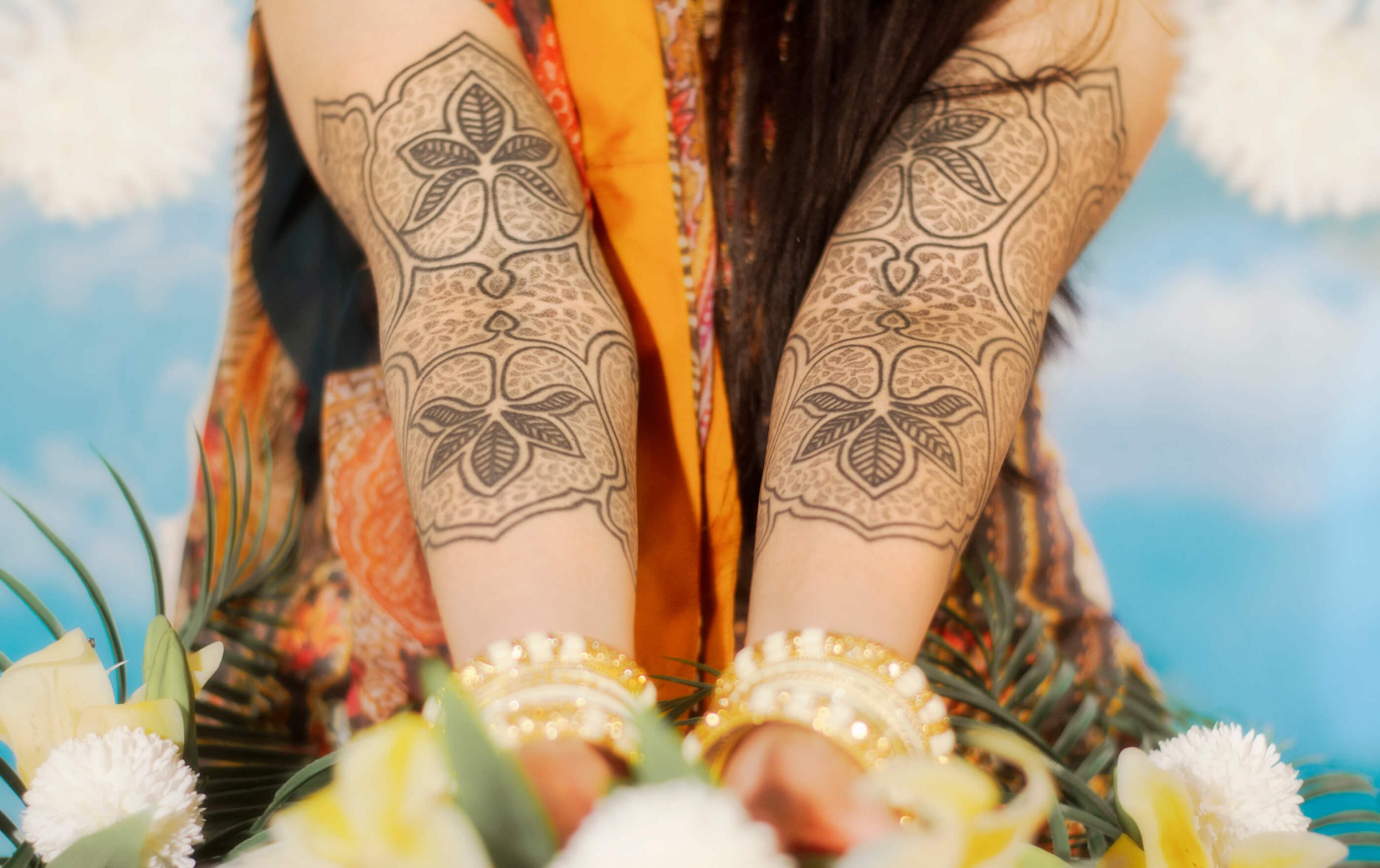
Muslim tattoo artist
Begin Your Conversation With Us
If you are ready to explore your ideas for an Islamic or calligraphy-inspired tattoo within a professional, understanding, and culturally reverent space, our artists are here to listen. Contact us to schedule a free, no-obligation consultation and begin your personal journey today.