
Taking the step to explore an Intimate Piercing Service is an incredibly empowering decision, but it is also entirely normal for it to be accompanied by feelings of intense vulnerability and nervous anticipation. From the moment you begin considering this journey, your mind is likely filled with questions about exposure, judgment, and physical safety. As an Elite Piercing Consultant, I want to address those fears immediately and directly. At pinktatpier, we do not just perform services; we curate a heavily guarded, fiercely protective sanctuary for our clients. Your emotional well-being and physical safety are the foundational pillars of everything we do. We understand the courage it takes to walk through our doors, and our primary mission is to ensure that from the very first second of your consultation, you feel completely respected, deeply heard, and profoundly safe.
1. A 100% Judgment-Free Zone for Every Body Type
The fear of having your most private anatomy seen and evaluated by a stranger is the number one barrier preventing individuals from pursuing the modifications they desire. Let me be perfectly clear: when you enter pinktatpier for an Intimate Piercing Service, you are stepping into a strictly judgment-free clinical environment. Society often imposes incredibly narrow, unrealistic standards on how human bodies “should” look, leading to deep-seated insecurities. As clinical professionals, we actively dismantle those standards.
We see bodies purely through the lens of anatomical structure and human variation. There is no such thing as “abnormal” anatomy in our studio; there is only unique anatomy. Whether your tissue is asymmetrical, prominent, subtle, or uniquely shaped, it is perfectly normal and entirely welcome here. Our elite consultants have seen thousands of bodies, and our sole focus is on how to best accommodate your specific physical landscape. We are not here to critique, compare, or judge you. We are here to celebrate your autonomy and help you reclaim your relationship with your body. When you undress in our sanctuary, you can leave your insecurities and societal pressures firmly outside the door. You will only ever be met with professional warmth, clinical neutrality, and absolute respect for the skin you are in.
2. Why Complete Privacy is Non-Negotiable for Your Intimate Piercing Service
A truly safe intimate piercing pinktatpier experience cannot occur in a chaotic, open-concept studio environment. The standard setup of a traditional piercing shop—where clients are separated only by thin curtains, where the sound of the waiting room filters in, and where walk-in traffic creates a bustling, unpredictable atmosphere—is entirely inappropriate for the vulnerability required during an intimate service. We believe that environmental security is the first step in establishing emotional security.
Because of this, complete physical and auditory privacy is strictly non-negotiable at pinktatpier. Our dedicated intimate consultation rooms are architecturally designed to serve as private vaults. They feature solid, locking doors, preventing any possibility of accidental intrusion. The spaces are acoustically insulated to ensure that your conversations, questions, and moments of hesitation remain entirely confidential between you and your consultant. We control the lighting to ensure it is clinically adequate for an anatomical assessment while remaining visually calming and non-harsh. You control the pace, and you control the environment. Knowing that nobody can see, hear, or interrupt your session allows your nervous system to regulate, transforming a potentially anxiety-inducing scenario into a calm, focused, and purely professional encounter.
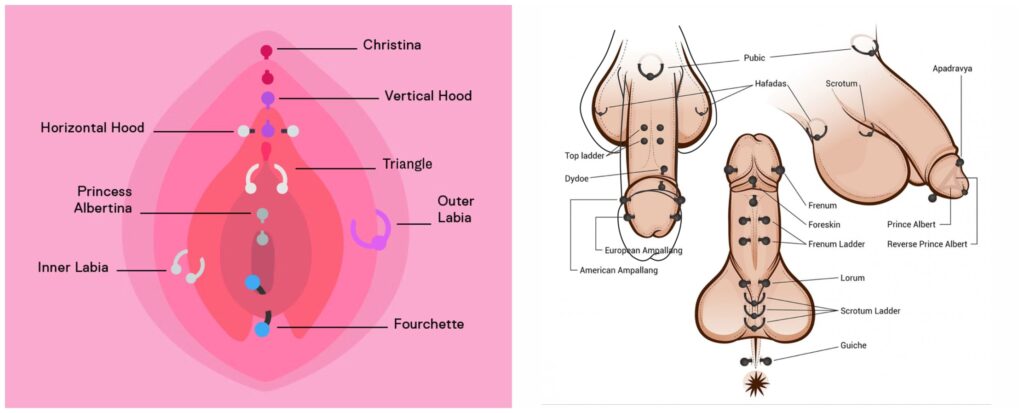
intimate piercing
3. The Honest Anatomical Evaluation: Ensuring Suitability Before Proceeding
Because we operate with the highest standards of elite clinical practice, we must acknowledge a fundamental truth: not every body can structurally support every type of modification. The success and viability of your requested modification depend entirely on the specific layout, depth, and structural integrity of your unique tissue. Therefore, the core of our Intimate Piercing Service is the anatomical evaluation.
This evaluation is conducted with the utmost clinical respect. Before any physical assessment begins, your consultant will explain exactly what they need to look at and why. We use a strictly touch-minimal approach, often relying purely on a visual inspection to assess the physical ridges, folds, and structural viability of the area. We are analyzing the mechanics of your body to ensure the tissue is robust enough to sustain the service safely. If your anatomy does not structurally support your desired placement, we will be completely honest with you. We will never compromise your physical safety or set you up for structural failure just to perform a service. Instead, if a specific placement is not viable, your consultant will clearly explain the anatomical reasons why and, whenever possible, present safe, alternative options perfectly suited to your specific body structure.
4. Establishing Consent and Trust with Your Elite Piercing Consultant
In our studio, consent is not merely a piece of paper signed at the reception desk; it is an active, dynamic, and continuous dialogue. The traditional power dynamic between a clinical practitioner and a client can feel overwhelming, which is why we actively work to dismantle it. You are the sole authority over your body, and your elite consultant is simply a highly trained guide invited to assist you.
Throughout your safe intimate piercing pinktatpier consultation, we practice continuous verbal check-ins. We will never make a move, adjust your positioning, or proceed to the next step of the evaluation without first explaining our intentions and explicitly asking for your permission. You retain the absolute right to pause the consultation, ask for clarification, or completely halt the process at any given moment, with zero pressure and zero questions asked. Building this immense foundation of trust ensures that by the time we conclude the consultation phase, you are not just a passive recipient of a service, but an active, fully informed participant who is confident, relaxed, and ready.
The pinktatpier Promise: Standard Studios vs. Our Premium Intimate Service
| Service Aspect | Standard Piercing Studios | The Premium pinktatpier Sanctuary |
| Physical Privacy | Often use fabric curtains; open floor plans susceptible to waiting room noise and walk-in interruptions. | Solid, lockable doors with sound-isolated, dedicated clinical rooms ensuring zero external visibility or auditory bleed. |
| Body Positivity Focus | May lack specialized training in handling deep body insecurities or intimate anatomical variations. | Elite consultants specifically trained in body-neutral, heavily empathetic language to eliminate all feelings of shame or judgment. |
| Anatomical Evaluation | Sometimes rushed; may attempt services on unsuitable anatomy to secure a financial transaction. | Touch-minimal, highly honest clinical assessment. We strictly refuse services on incompatible tissue to guarantee physical safety. |
| Consent Protocol | Typically relies on a single, standardized liability waiver signed at the front desk before the service. | Continuous, dynamic verbal consent throughout the entire consultation, empowering the client to pause or stop at any moment. |
Honest Pain Management and Debunking Nerve Damage Myths
Of all the concerns clients bring into our sanctuary, the fear of pain and the terrifying myth of permanent nerve damage are undoubtedly the most common. It is a completely valid, deeply human response to feel anxious about experiencing discomfort in your most sensitive areas. As your elite piercing consultant, my goal is to replace that fear with clinical facts, transparency, and advanced intimate piercing pain management strategies. At pinktatpier, we actively manage your anxiety through elite technical execution and a profound understanding of human anatomy. Let us demystify the physical sensations and explore exactly how we protect your body while making this experience remarkably tolerable.
1. The Medical Truth About Professional Genital Piercing and Nerve Anatomy
The most pervasive myth surrounding intimate body modification is the fear that a needle will sever a vital nerve, leading to permanent numbness. Let me reassure you with absolute clinical certainty: a properly executed professional genital piercing does not cause nerve damage.
To understand why, we must look at the anatomical structure of the human body. Major nerve bundles responsible for core sensation are located deep within the tissue, protected by layers of fascia and muscle. The piercings we perform are strictly surface-level or pass through highly specific, structurally safe tissue margins naturally devoid of primary nerve trunks. We are interacting with superficial nerve endings, which are entirely capable of healing and regenerating quickly without disrupting your overall sensory function. In fact, many clients report enhanced sensation after fully healing, as the jewelry acts as a stimulating focal point. By relying on exhaustive anatomical knowledge, our experts precisely map out the safe corridors of your tissue, completely bypassing any critical structures. Your physical function is never at risk.
2. Overcoming Anxiety: Advanced Breathing Techniques During the Procedure
Pain is not merely a physical sensation; it is deeply intertwined with your psychological state. When you are terrified, your body floods with adrenaline, your muscles tense defensively, and your nervous system goes on high alert, amplifying every touch. Effective intimate piercing pain management begins long before the needle even touches your skin. It begins with your breath.
At pinktatpier, we utilize advanced, guided breathing protocols designed to hack your parasympathetic nervous system. When you are on the table, we will not simply tell you to “relax”—a command that is often entirely unhelpful. Instead, your consultant will guide you through synchronized, deep diaphragmatic breathing. We will breathe with you. By inhaling deeply through the nose and executing a long, controlled exhale through the mouth at the exact moment of the procedure, we actively force your muscles to release their tension. This physiological shift significantly lowers your blood pressure and dampens the brain’s pain reception signals. The simple, profound act of guided, rhythmic breathing transforms a sharp, fearful spike of pain into a brief, highly manageable moment of pressure.
3. The Role of Ultra-Sharp, Single-Use Needles in Minimizing Trauma
A critical component of a relatively painless experience lies in the caliber of our clinical equipment. Not all needles are created equal. Dull, low-quality tools used in standard commercial environments cause unnecessary tissue drag, which translates directly to tearing, throbbing, and intense discomfort.
We strictly utilize ultra-sharp, perfectly beveled, single-use, medical-grade needles. These instruments are engineered with laser-precision cutting edges designed to part the cellular structure of your tissue instantly and cleanly, rather than pushing roughly through it. Think of the difference between a blunt knife crushing a fruit and a razor-sharp blade slicing it seamlessly. The tissue barely has time to register the trauma before the procedure is already complete. By minimizing the microscopic friction and cellular disruption during the puncture, we drastically reduce the immediate sting and virtually eliminate the post-procedural throbbing.
4. Precision and Speed: How Elite Execution Reduces Sensation to Seconds
The buildup of anticipation is always far worse than the actual execution. The physical act of receiving a professional genital piercing is remarkably brief. Our elite clamping and tissue-manipulation techniques apply firm, isolated pressure to the specific site. This firm pressure serves a dual purpose: it perfectly aligns the tissue for a flawless trajectory, and it actively confuses the local nerve endings—a neurological phenomenon known as the gate control theory of pain. Because your nerves are busy processing the firm pressure of the clamp, the sharp sensation of the needle is heavily muted.
Once the tissue is secured and you engage in your guided exhale, the execution is exceptionally swift. A master consultant at pinktatpier moves with fluid, unhesitating precision born from years of dedicated clinical experience. The needle passes through the tissue in a fraction of a second, immediately followed by the jewelry transfer. Before your brain fully processes the sensation, the procedure is over. The intense pinch you were bracing for is replaced by a warm, dull ache that subsides rapidly. You are left not with overwhelming pain, but an empowering rush of endorphins.
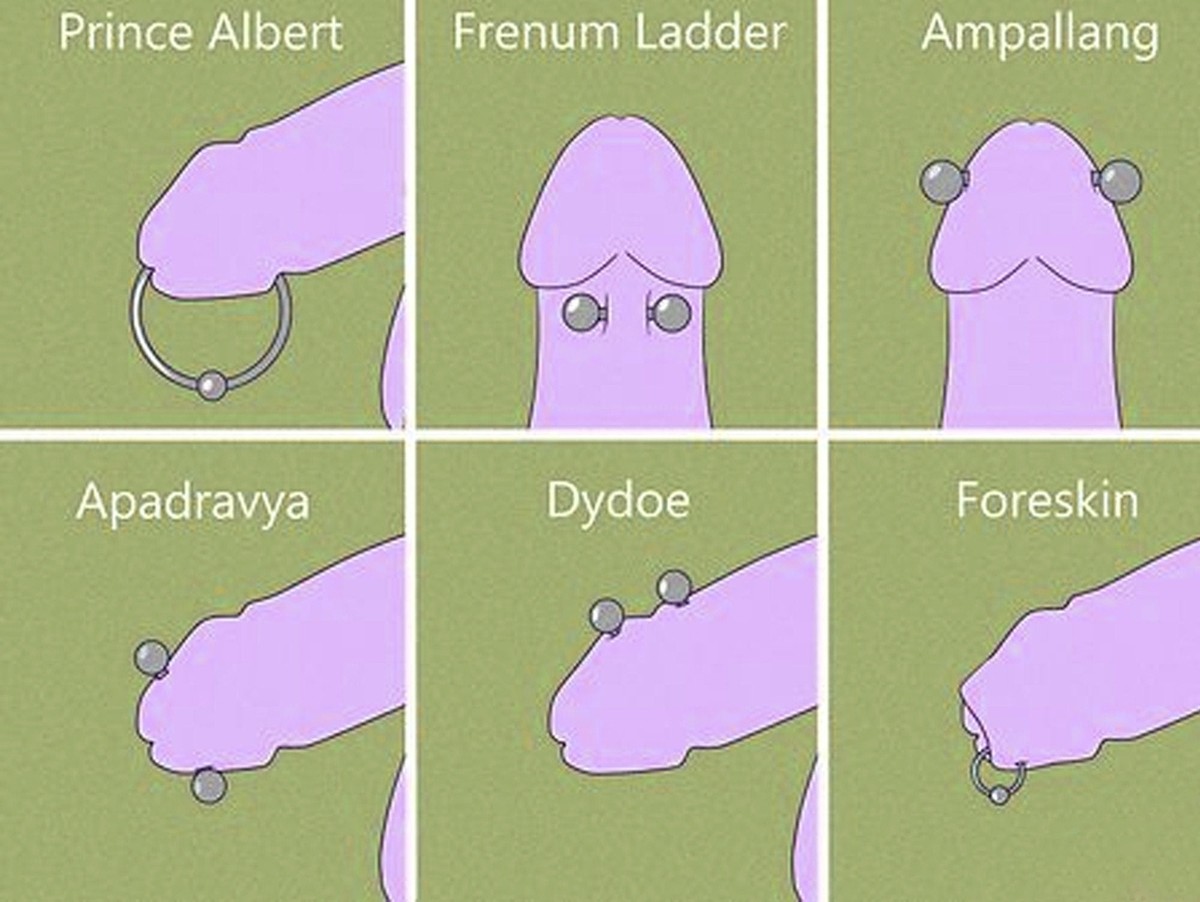
intimate piercing
Pain Expectation vs. Clinical Reality: Managing the Fear
| Client Fear / Expectation | The pinktatpier Clinical Reality |
| “It will cause permanent numbness or nerve damage.” | Myth. We target superficial tissue layers perfectly safe for modification, completely avoiding deep, vital nerve bundles. |
| “The pain will be unbearable and agonizing.” | Manageable. The sensation is generally described as a firm, intense pinch lasting less than two seconds, mitigated by proper technique. |
| “My body will tense up and make it worse.” | Controlled. We utilize synchronized, deep diaphragmatic breathing to force muscular relaxation and hack your pain receptors. |
| “The needle will drag and tear my skin.” | Seamless. We use laser-beveled, ultra-sharp medical needles that cleanly part the tissue with zero drag and minimal friction. |
Uncompromising Safety: Sterilization Protocols and Implant-Grade Jewelry
When you entrust your body to an expert, you are placing absolute faith in their understanding of medical safety. As you prepare for your journey with us at pinktatpier, it is vital to understand that physical safety extends far beyond the environment and the technique; it is intrinsically tied to the exact microscopic composition of what is entering your body. The most sensitive, highly vascular tissue requires the most biocompatible materials available on the planet. Finding the best intimate piercer means finding a professional who refuses to cut corners on material science and sterilization. In this chapter, we will strip away the marketing jargon and focus entirely on the clinical facts surrounding our uncompromising sterilization protocols and the vital importance of high-tier materials.
1. Hospital-Grade Autoclave Sterilization for Zero Contamination Risk
The foundation of any legitimate clinical practice is its sterilization protocol. There is a profound difference between something being visually “clean” and being microbiologically “sterile.” In our studio, wiping down jewelry with alcohol or soaking it in chemical disinfectants is fundamentally unacceptable. These archaic methods only sanitize; they do not destroy hardy bacterial spores or bloodborne pathogens.
To guarantee zero contamination risk, pinktatpier utilizes state-of-the-art, hospital-grade Class B autoclaves. An autoclave is a highly specialized piece of medical machinery that uses intense steam, strictly regulated pressure, and extreme temperatures to effectively obliterate all microscopic life on a cellular level. Every single piece of jewelry, every tool, and every clamp is individually sealed in sterile pouches with chemical indicator strips that physically change color only when the core sterilization parameters have been achieved. Furthermore, our autoclaves undergo mandatory, independent biological spore testing every single week to clinically verify their efficacy. When we open a pouch in front of you, you are witnessing the highest echelon of medical safety. Nothing touches your skin unless it has survived this rigorous, uncompromising process.
2. Why Implant-Grade Titanium is the Only Choice for Your Intimate Piercing Service
When selecting materials to introduce into delicate mucosal or dermal tissue, compromise is dangerous. This is why our studio exclusively utilizes ASTM F-136 Implant-Grade Titanium for all initial services. This specific designation is not a marketing term; it is a rigid medical specification created by the American Society for Testing and Materials. It is the exact same biocompatible material utilized by orthopedic surgeons for pacemakers, bone screws, and joint replacements.
Titanium intimate piercing jewelry is the undisputed gold standard for several scientific reasons. First, it is entirely biocompatible, meaning the human immune system does not recognize it as a foreign invader, which drastically reduces the risk of inflammation. Second, it is completely non-porous. A perfectly polished titanium surface provides no microscopic crevices for bacteria to harbor. Finally, titanium is incredibly lightweight while being structurally stronger than steel, placing far less physical stress on delicate tissue structures. By insisting on Titanium intimate piercing jewelry, we are providing your body with a neutral, inert foundation, allowing it to focus entirely on its natural physiological processes without fighting the metal itself.
3. The Dangers of Cheap Metals and Nickel Alloys in Sensitive Regions
To understand why we mandate titanium, you must understand the severe risks associated with commercial metals. The piercing industry is flooded with low-quality materials hidden behind misleading terminology like “surgical steel” or “hypoallergenic steel.” In reality, “surgical steel” is an unregulated umbrella term for a variety of metal alloys that almost universally contain nickel.
Nickel is highly reactive. When introduced into the warm, moist, and highly vascular environment of intimate tissue, these cheap alloys begin to microscopically degrade and oxidize. The body’s immune system immediately detects the leaching nickel particles and launches a defensive attack. This results in severe allergic contact dermatitis—characterized by intense itching, burning, persistent swelling, and the aggressive production of excess tissue. In worst-case scenarios, the body will physically push the metal out, a painful process known as rejection. As the best intimate piercer in your corner, we refuse to subject your body to these volatile, low-grade commercial metals. Your anatomy is far too valuable to risk on cheap alloys.
4. Initial Jewelry Sizing: Accommodating Natural Tissue Swelling
The final crucial aspect of jewelry safety is not just the material, but the precise mechanical sizing. A fundamental biological response to any structural modification is localized swelling. Your tissue will naturally expand as blood flow increases to the area. This is a healthy, expected physiological reaction, but it must be meticulously accounted for in the initial jewelry selection.
During your appointment, we intentionally select jewelry that is significantly longer or larger in diameter than what you will ultimately wear long-term. This extra length serves as a vital safety buffer. If jewelry is fitted too tightly on the first day, the natural tissue expansion will cause the metal to compress against the skin. This severe pressure cuts off circulation, traps moisture, and can lead to a severe complication called embedding, where the skin begins to grow over the jewelry. By utilizing a specifically calculated, longer initial piece of implant-grade titanium, we ensure your tissue has ample room to expand, breathe, and fluctuate naturally. Once the initial biological response subsides in the future, we evaluate the tissue to safely downsize the jewelry to a flush, permanent fit.
Jewelry Safety Standard: Implant-Grade Titanium vs. Commercial Metals
| Material Characteristic | “Surgical” / Stainless Steel | ASTM F-136 Implant-Grade Titanium |
| Biocompatibility | Low to Moderate; immune system often reacts to the alloy. | Supreme; medically inert, recognized as safe by the human body. |
| Nickel Content | High; frequently leaches nickel into the surrounding tissue. | Zero; 100% nickel-free, eliminating allergic contact dermatitis. |
| Surface Finish | Prone to microscopic scratching, which harbors harmful bacteria. | Flawlessly mirror-polished, preventing bacterial adhesion and friction. |
| Weight & Density | Heavy; can cause migration or structural dragging in delicate areas. | Ultra-lightweight; places zero unnecessary gravitational stress on the tissue. |
Your Sterile Healing Journey: Timelines, Cleansing, and Complication Prevention
Now that your procedure is complete, you are stepping into the most crucial phase of your journey. As your dedicated clinical guide, my role now shifts to that of a caring but highly strict nurse. I want to empower you with the exact biological knowledge necessary to master your intimate piercing healing process. Leaving the pinktatpier sanctuary means the responsibility of daily physical care is now in your hands, but I promise you are not doing this alone. We are going to calmly walk through your body’s natural trauma response, demystify exactly what is biologically normal, and establish a foolproof home care routine. By understanding the mechanics of your own immune system, you can protect your beautiful new investment with absolute confidence and zero panic.
1. The General 4-to-12 Week Window for Professional Genital Piercing Recovery
The human body is an incredibly efficient healing machine, especially when it comes to highly vascular intimate tissue. However, it requires a strict, undisturbed environment to do its job. Generally, the complete intimate piercing healing process spans a 4-to-12 week window, depending heavily on your unique cellular turnover rate and the specific anatomical placement.
It is vital to understand the difference between “initial healing” and “complete maturation.” During the first two to four weeks, your body is in an active state of triage. You will experience localized swelling, mild tenderness, and a sensation of profound awareness in the area. This is your immune system rushing blood, oxygen, and white blood cells to the site. Around week four, the swelling will dramatically subside, and it may feel completely healed. Do not be fooled. Internally, your body is still painstakingly constructing a “fistula”—a delicate, permanent tube of scar tissue that lines the piercing channel. Until this internal tunnel is fully mature and reinforced, the piercing remains fragile. Patience is not just a virtue here; it is a clinical requirement.
2. Mastering the Twice-Daily Sterile Saline Soak Routine
Flawless genital piercing aftercare requires rigid consistency and the complete elimination of harsh chemicals. Throw away your antibacterial soaps, your hydrogen peroxide, your tea tree oil, and your homemade sea salt mixtures. These archaic methods actively destroy new, fragile skin cells and severely delay the healing process. Your single, non-negotiable tool is sterile, pressurized 0.9% sodium chloride (wound wash saline).
Here is your foolproof, twice-daily clinical routine: First, wash your hands thoroughly with hot water and antibacterial soap. Never touch your healing tissue with unwashed hands. Next, generously spray the sterile saline directly onto the entrance and exit holes of the piercing. Allow the cool liquid to sit on the tissue for one to two minutes, letting it passively dissolve any biological buildup. Finally, take a piece of sterile, non-woven gauze (avoid cotton swabs, as they leave behind microscopic, irritating fibers) and gently dab the area completely dry. Moisture is the enemy of a healing wound. Under no circumstances should you ever twist, turn, or rotate the jewelry. Moving the metal violently tears the microscopic layer of new cells your body just spent hours building, resetting your healing clock back to zero.

intimate piercing
3. Lymph Fluid Explained: Why “Crusties” Mean Your Body is Healing
The most common reason clients call us in a panic during the first two weeks is the sudden appearance of a pale, crusty substance forming around the jewelry. As your strict clinical nurse, I need you to take a deep breath: this is entirely normal. This substance is lymph fluid, and it is a beautiful sign that your immune system is functioning perfectly.
Lymph fluid is a natural excretion composed of blood plasma, dead white blood cells, and cellular byproducts. As your body flushes out the microscopic debris from the piercing channel, this clear or pale-yellow fluid exits the wound, hits the air, and dries into crystalline “crusties” on the metal. It is not an infection; it is your body taking out the trash. When you encounter this during your daily cleaning, do not pick at it with your fingernails. Simply allow your sterile saline spray to soften the crystals, and gently wipe them away with your non-woven gauze.
4. Red Flags: When to Contact pinktatpier for a Follow-Up Clinical Evaluation
While lymph fluid and temporary swelling are standard biological responses, you must be educated on how to identify the true symptoms of a complication. A legitimate infection is rare when adhering to strict sterile protocols, but recognizing the red flags early ensures immediate, effective intervention.
You should contact our studio for an in-person clinical evaluation if you experience any of the following: a sudden, intense return of throbbing pain after the initial weeks of healing; localized heat radiating from the tissue that feels hot to the touch; severe redness that expands rapidly outward from the piercing site; or discharge that shifts from pale yellow lymph to an opaque, foul-smelling, dark green or brown pus. If you suspect an infection, do not remove the jewelry. Removing the metal removes the drainage channel, instantly trapping the infection deep within the tissue and creating an abscess. Leave the jewelry exactly where it is, continue your sterile saline routine, and contact us immediately so we can guide you to the proper medical professionals if antibiotics are required.
The Universal Healing Timeline: Normal Healing vs. Warning Signs
| Healing Phase / Symptom | Completely Normal Biological Response | Clinical Warning Sign (Requires Attention) |
| Swelling & Tenderness | Peaking within the first 3-5 days; gradually subsiding over 2-4 weeks. | Sudden, agonizing throbbing or swelling that aggressively returns weeks later. |
| Discharge & Secretions | Clear or pale-yellow lymph fluid that dries into hard, odorless crusties. | Opaque, dark yellow, green, or brown pus accompanied by a foul, strong odor. |
| Tissue Temperature | Mildly warm during the first few days of the body’s acute trauma response. | Radiating, intense heat that persists, often accompanied by spreading redness. |
| Cleaning Routine | Using only 0.9% sterile saline; tissue feels soothed and clean afterward. | Severe burning, blistering, or excessive dryness (usually a sign of chemical irritation). |
Navigating Daily Life: Wardrobe Adjustments and Intimacy Protocols
Stepping back into your normal routine with a new modification requires a profound shift in how you interact with your environment. As your practical, entirely judgment-free consultant, my job is to equip you with the knowledge to protect your body from the everyday hazards that you have likely never had to consider before. Navigating your new intimate piercing lifestyle is about mechanical awareness and intentionality. We must have an honest, mature, and fiercely protective conversation about the hidden dangers lurking in your wardrobe, your shower, and your bedroom. We are going to break down the exact physics of friction, the hazards of certain fabrics, and the non-negotiable logistics required to ensure your healing process remains completely undisturbed.
1. Clothing Modifications: Avoiding Lace, Loofahs, and Restrictive Garments
The most immediate threat to your fresh piercing is not an infection; it is sudden, violent mechanical trauma. The most common culprit? Your own wardrobe and bathing accessories. We must immediately discuss the absolute prohibition of lace, mesh, and loosely woven fabrics during your healing period. The microscopic loops in lace underwear act as the perfect, unforgiving trap for a titanium bead, prong, or barbell end. A single careless movement while pulling down a garment can result in the jewelry being violently yanked, causing severe tissue tearing and instantly resetting your healing clock.
Similarly, the shower loofah is essentially a giant net waiting to catch your new jewelry. You must permanently banish mesh sponges and loofahs from your bathing routine while healing, opting instead for bare hands. When it comes to your daily wardrobe, your new best friend is breathable, seamless, 100% cotton underwear. Cotton allows the highly vascular tissue to breathe, preventing the buildup of trapped heat and moisture, which bacteria thrive on. Furthermore, you must temporarily retire overly restrictive garments like tight denim or unyielding shapewear. Constant, compressive pressure against the metal will aggressively push the jewelry into the fresh wound channel, causing severe irritation, localized swelling, and potentially leading to permanent tissue migration.
2. Managing Showering, Exercise, and Daily Movement Safely
Adapting your intimate piercing lifestyle also means heavily modifying how your body moves through space, particularly during physical exertion. Exercise is absolutely encouraged, as a healthy cardiovascular system promotes faster cellular turnover, but the mechanics of your workout must change. The primary enemy here is repetitive friction.
Activities that involve direct, repetitive pressure on the pelvic region—such as aggressive cycling, horseback riding, or intense spin classes—must be strictly paused until the internal fistula is completely structurally sound. When engaging in lower-impact workouts like running, weightlifting, or yoga, the goal is to absolutely immobilize the jewelry. You do not want the metal swinging, bouncing, or sliding back and forth through the fresh puncture. Wearing highly supportive, perfectly fitted athletic underwear that gently but firmly holds the anatomy against the body will prevent this micro-trauma. After your shower or workout, you must be hyper-aware of your towel. Never vigorously rub your body dry. The loops of a terrycloth towel are just as dangerous as lace. You must gently and deliberately pat the area completely dry, ensuring zero moisture is left trapped against the skin.
3. The Mandatory Waiting Period for Resuming Sexual Activity
We operate in a fiercely sex-positive, judgment-free sanctuary, and we understand that a primary motivation for this service is often the enhancement of your intimate life. However, as your clinical advisor, I must be exceptionally clear: your new piercing is an open, highly vulnerable puncture wound. Resuming sexual activity prematurely is the fastest route to catastrophic complications.
There is a strict, non-negotiable waiting period required before any form of sexual contact can safely resume. While this timeline varies slightly based on the specific anatomical placement, you must expect a minimum of two to four weeks of absolute, undisturbed rest. This means zero manual manipulation, zero oral contact, and zero penetrative activity. During this acute phase, the delicate new cells lining your piercing channel are entirely incapable of withstanding the aggressive friction and mechanical stress of sexual intercourse. Furthermore, introducing foreign bodily fluids—even from a long-term, monogamous partner—into a fresh wound is a direct invitation for severe bacterial infection. Patience during this brief window is the ultimate investment in your long-term physical comfort and safety.
4. Utilizing Condoms and Barrier Protection During the Healing Phase
Once the initial, strict waiting period has passed and your consultant has confirmed that the acute swelling has subsided, you may slowly begin to explore safe sex with intimate piercing protocols. However, the healing journey is not over. Until the piercing is fully matured—which can take several months—strict barrier protection is absolutely mandatory for any partnered activity.
You must utilize high-quality latex or polyisoprene condoms, dental dams, or latex gloves to create an impenetrable shield between your healing tissue and your partner’s bodily fluids. This is not strictly about pregnancy or STI prevention; it is purely about wound isolation. The natural pH balance and bacterial flora of another human being will aggressively disrupt your body’s healing environment. Additionally, a well-lubricated barrier provides a crucial layer of slip, significantly reducing the microscopic friction that can irritate the piercing channel. When you do resume activity, it must be approached with extreme gentleness, hyper-awareness, and immediate cessation if you experience any sharp pain or sudden throbbing.
Daily Lifestyle Guide: Safe Habits vs. High-Risk Activities for Intimate Piercings
| Lifestyle Category | The pinktatpier Safe Habit (Do This) | High-Risk Hazard (Strictly Avoid) |
| Wardrobe Choices | Breathable, seamless 100% cotton underwear; loose, unrestrictive clothing. | Lace, mesh, fishnets, and ultra-tight, compressive garments (like stiff denim). |
| Bathing Routine | Gently washing the surrounding area with bare hands; delicately patting dry with a towel. | Using netted shower loofahs; vigorously rubbing the area dry with a terrycloth towel. |
| Physical Exercise | Wearing highly supportive athletic wear to immobilize jewelry; sticking to low-impact workouts. | Direct-pressure pelvic activities (cycling, horseback riding) without a fully mature fistula. |
| Intimacy & Sex | Honoring the mandatory 2-4 week waiting period; using strict barrier protection (condoms) afterward. | Prematurely engaging in aggressive friction; allowing fluid exchange in an unhealed wound. |
Frequently Asked Questions and Booking Your Intimate Piercing Service
As you prepare to finalize your decision, it is completely natural for a few lingering, highly practical questions to surface. You understand our uncompromising safety protocols, our meticulously designed clinical environment, and the biological mechanics of your healing journey. Now, let us address the exact logistical details of your arrival to ensure you walk through our doors with absolute confidence.
1. Addressing Pre-Appointment Grooming: Should I Shave or Wax Before My Visit?
Many clients feel immense, unspoken pressure to present themselves a certain way when receiving an Intimate Piercing Service. Let me be unequivocally clear: body hair is completely natural, biologically normal, and poses absolutely no issue for an elite piercing consultant. We do not require, expect, or even prefer you to be hair-free. In fact, aggressive grooming immediately prior to your appointment is a significant clinical hazard.
Shaving, and especially waxing or using chemical depilatories, creates hundreds of microscopic abrasions and invisible tears across the surface of your delicate skin. These micro-tears severely compromise the skin’s natural defensive barrier, inviting bacteria and causing localized inflammation before we have even begun our work. If you choose to groom strictly for your own personal comfort, we advise that you only use mechanical clippers to gently trim the hair. If you absolutely must shave or wax, you must do so at least three to four days prior to your visit. This mandatory buffer allows your epidermis adequate time to close the open follicles, reduce reactive swelling, and heal from the mechanical trauma of hair removal. On the day of your service, come exactly as you are.
2. Studio Policy: Can I Bring a Friend or Partner for Support?
The desire to have a trusted hand to hold during a highly vulnerable moment is deeply understandable. At pinktatpier, we warmly welcome your support system—be it a partner, a best friend, or a family member—into our luxury reception area. However, when it is time to cross the threshold into the dedicated clinical vault for your procedure, we adhere to strict solo-entry protocols. This rule is not in place to isolate you; it is designed to fiercely protect your physical safety and our unwavering clinical focus.
Bringing an additional person into the sterile field introduces unpredictable, high-risk variables. It drastically increases the risk of accidental cross-contamination, introduces auditory distractions, and causes subtle shifts in the energetic dynamic of the room. Furthermore, a partner or friend, no matter how well-meaning, can unconsciously project their own nervous energy or anxiety, which your sympathetic nervous system will immediately absorb. By keeping the procedure room limited exclusively to you and your highly trained consultant, we maintain a perfectly controlled, emotionally calm, and microbiologically secure environment. Your support system will be waiting right outside the door to celebrate with you the moment we are finished.
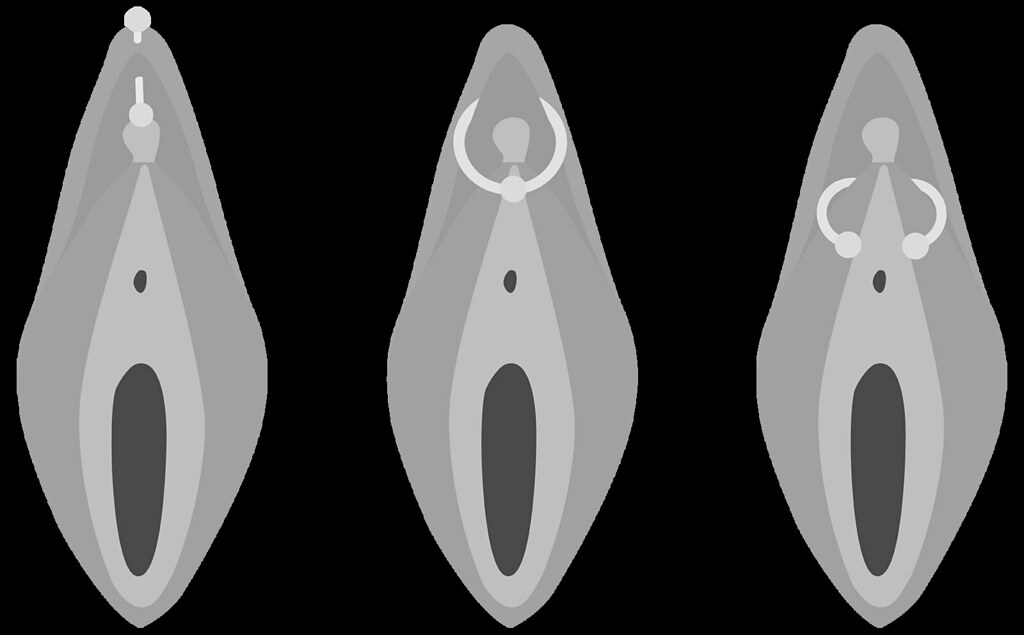
intimate piercing
3. Adapting to Reality: What if My Anatomy Isn’t Suitable?
It can be disappointing to build up the courage for a specific modification, only to discover it cannot be safely performed. If this happens during your consultation, I want you to know immediately: it is absolutely not a flaw in your body. It is simply a matter of structural physics. If we determine a specific placement is non-viable, your appointment does not simply end in rejection. We consider this a creative pivot, not a cancellation.
Your dedicated time slot remains entirely yours. We will seamlessly pivot your consultation to explore a myriad of other stunning, perfectly viable options. Perhaps a different intimate placement aligns beautifully with your unique tissue structure, or perhaps we utilize your reserved time to execute that curated ear project or dermal anchor you have been dreaming about. Your deposit is fully protected, your scheduled time is honored, and we will ensure you still leave the studio feeling intensely empowered and beautifully adorned, even if the final result looks slightly different than your original blueprint.
4. Biological Realities: Can I Proceed if I Am Menstruating?
This is one of the most highly searched, yet rarely discussed, logistical questions regarding professional genital piercing. The answer is an absolute, unequivocal yes. As clinical professionals, we deal with the realities of the human body every single day. Menstruation is a perfectly normal biological function and does not medically interfere with the execution, the hygiene, or the safety of your procedure in any way.
If you are menstruating on the day of your appointment, we simply ask that you wear a fresh tampon or an internal menstrual cup to the studio to maintain a clear external working field for the consultant. There is absolutely no need to feel embarrassed, and there is certainly no need to cancel or reschedule your meticulously planned visit. We maintain the exact same pristine level of hygiene, profound respect, and clinical excellence regardless of where you are in your natural cycle.
Pre-Appointment Logistical Checklist: Essential Guidelines for Your Visit
| Logistical Aspect | The pinktatpier Recommendation | Actions to Strictly Avoid |
| Pre-Visit Grooming | Coming exactly as you are, or gently trimming with clippers days in advance. | Shaving, waxing, or using harsh chemical depilatories within 48 hours of your visit. |
| Guest Policy | Bringing a supportive friend to wait in our comfortable luxury reception lounge. | Attempting to bring guests into the strictly controlled, sterile clinical procedure room. |
| Anatomical Pivoting | Remaining open-minded to safe, alternative placements if your first choice is non-viable. | Viewing anatomical unsuitability as a personal flaw or demanding an unsafe procedure. |
| Menstruation | Attending your appointment as scheduled while utilizing an internal menstrual product. | Canceling your appointment out of unnecessary embarrassment or fear of judgment. |
Take the Next Step: Secure Your Private Consultation Today
The journey to reclaiming your body and expressing your deepest, most authentic self is a monumental step. You deserve an environment that treats that step with the profound reverence it commands. You deserve uncompromising medical safety, elite technical execution, and a fiercely protective, completely judgment-free atmosphere. You deserve the pinktatpier standard.
We have stripped away the anxiety, debunked the clinical myths, and laid out the exact, transparent roadmap to a flawless experience. The only thing left to do is take action. Do not let fear, uncertainty, or societal stigma dictate your self-expression for one more day. Step into your power, prioritize your physical autonomy, and trust the industry’s most elite professionals to guide you.