
In the world of personal expression, a whisper can often be more powerful than a shout. While bold, heavy tattoos have a timeless power, a new aesthetic has captured the imagination of the modern, style-conscious individual—a style that celebrates subtlety, precision, and the profound beauty of a single, perfect line. This is the world of the Linework / Fine Line Tattoo Style. It is the tattoo equivalent of haute couture, minimalist architecture, or a delicate piece of fine jewellery. It is an art form where less is not just more; less is everything.
Born from the modern minimalist movement of the 2010s, this style has exploded in popularity, becoming the definitive choice for a generation that values elegance, discretion, and a highly curated personal aesthetic. The overall vibe is undeniably clean, delicate, minimal, and stylish. It is a style that doesn’t dominate the body, but rather adorns it, creating a look that is both deeply personal and effortlessly chic. From the high-fashion streets of London to the curated feeds of social media, the fine line tattoo has become a symbol of modern sophistication.
However, the apparent simplicity of a fine line tattoo is a masterful illusion. To create extremely thin, clean lines with little to no shading requires an extraordinary level of technical skill, a surgeon’s steady hand, and a deep understanding of the craft. It is one of the most technically demanding styles in tattooing. At PinkTatPier, we are home to some of London’s leading specialists in this delicate art form. This is your definitive guide to the Fine Line Tattoo Style. We will explore its origins, deconstruct its technical artistry, and explain how our master artists can create a timeless, elegant, and durable piece of art that is unique to you.
Linework / Fine Line Tattoo Style
The Rise of a Modern Classic: The Origins and Philosophy of Fine Line
To understand the immense popularity of the Fine Line Tattoo Style, one must look at the broader cultural shifts in art, design, and fashion that defined the 2010s and continue into 2025.
A Product of the Modern Minimalist Movement
The origin of the fine line style is inextricably linked to the modern minimalist movement. As our lives became more digitally saturated and visually noisy, there was a powerful cultural swing towards clean aesthetics, negative space, and a “less is more” philosophy. This was seen in everything from the rise of minimalist Scandinavian design and the clean lines of modern architecture to the understated elegance of contemporary fashion. The world of tattooing was no different. A new generation of clients, who may not have been drawn to the heavy, bold styles of the past, found a language they could connect with in the delicacy and discretion of fine line work. Its explosion was fuelled by social media platforms like Instagram and Pinterest, where its clean, graphic, and highly photogenic quality made it an instant sensation.
The Core Philosophy: Elegance in Simplicity
The philosophy of the Fine Line Tattoo Style is rooted in the power of suggestion, not explicit detail. It is the belief that a single, perfectly executed line can convey form, movement, and emotion more powerfully than a heavily rendered image. The artist is not trying to create a photorealistic copy of reality; they are trying to capture its essence. The negative space—the untouched skin around the lines—is just as important as the lines themselves. It allows the design to breathe and gives it a light, airy quality that feels integrated with the skin, rather than sitting on top of it. This is an art form for those who appreciate nuance, subtlety, and the quiet confidence of a perfectly considered detail.
Deconstructing the Aesthetic: The Key Features of the Fine Line Tattoo Style
The visual language of the Fine Line Tattoo Style is precise and instantly recognisable. It is defined by a specific set of style features that require immense technical control from the artist.
The Essence of the Style: Extremely Thin, Clean Lines
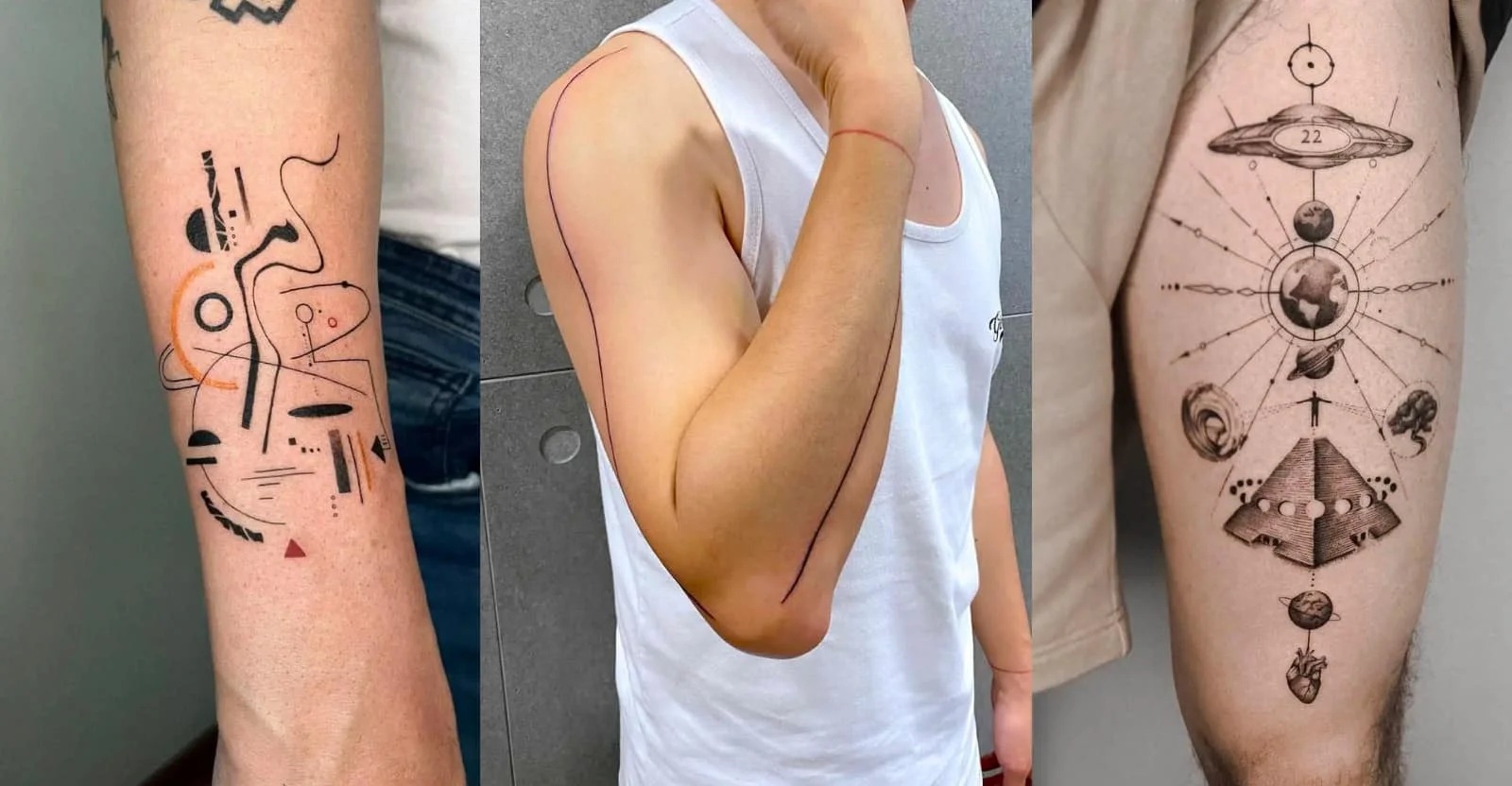
This is the foundational element. The style is built on the artist’s ability to create extremely thin, clean lines.
- The Technical Skill: This is achieved using very small groupings of needles (often a 3-Round Liner or “3RL,” which is a tight grouping of three tiny needles) or, in its most extreme form, a single needle (which we will discuss later). The artist must have an incredibly steady hand and a perfectly tuned machine to implant the ink at the precise depth required. If the line is too shallow, it will fade and disappear during healing. If it is too deep, it will “blow out,” creating a blurry, fuzzy line. A perfect fine line is a tightrope walk of technical precision, and it is the hallmark of a true master.
- The Contrast with Bold Styles: This is the direct opposite of the “Bold Will Hold” philosophy of the Traditional style. Instead of a thick, heavy outline, the fine line tattoo is defined by its lightness and delicacy.
Linework / Fine Line Tattoo Style
The Power of Pure Linework: With Little to No Shading
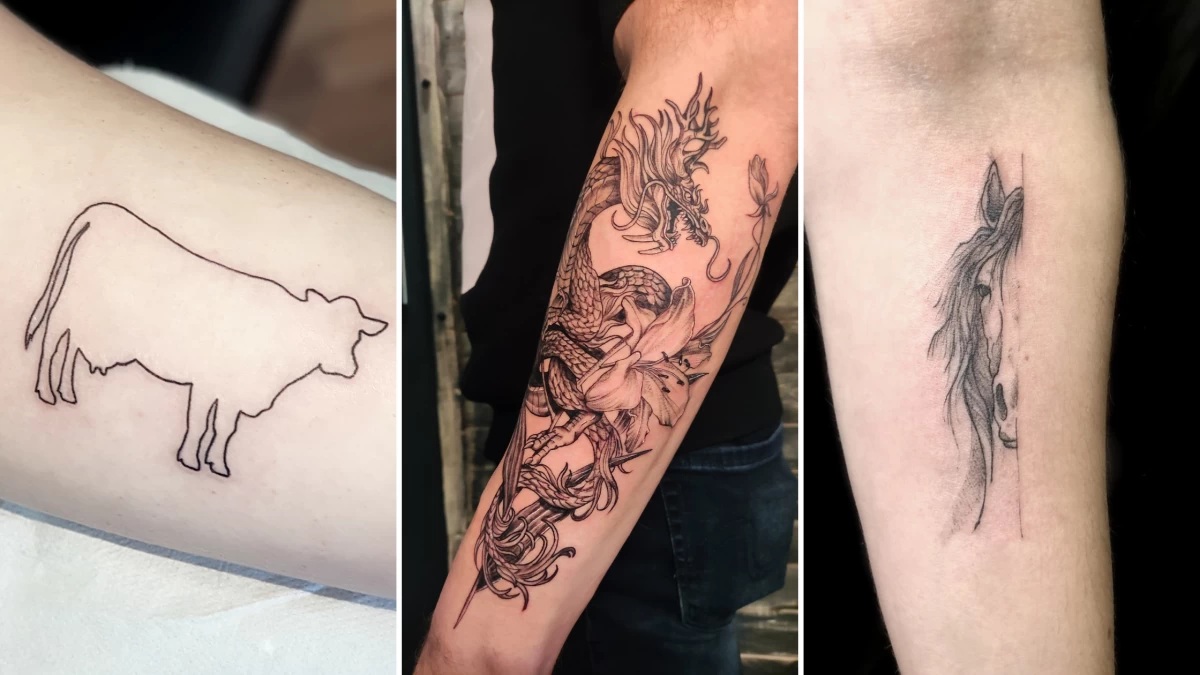
The second defining feature is the reliance on pure line to create the image. The classic Fine Line Tattoo Style uses little to no shading.2
- Form Through Line: The form and dimension of the subject are not created with soft gradients or heavy black shading. They are created by the lines themselves—their placement, their interaction, and the way they suggest a shape to the viewer’s eye.
- Subtle Texturing (Stippling): While traditional shading is avoided, many fine line artists will use subtle “stippling” or “dotwork” to create a hint of texture or a very light, airy shadow. This is done by creating thousands of tiny, individual dots, which gives the shading a soft, peppered quality that complements the delicate lines, rather than overpowering them.
A World of Delicacy: Common Motifs in Fine Line Tattoos
While any image can be rendered in the fine line style, its unique qualities make it particularly well-suited to certain subjects. The common motifs often focus on organic, elegant, and symbolic forms.
| Motif Category | Description & Common Examples | Why Fine Line Works |
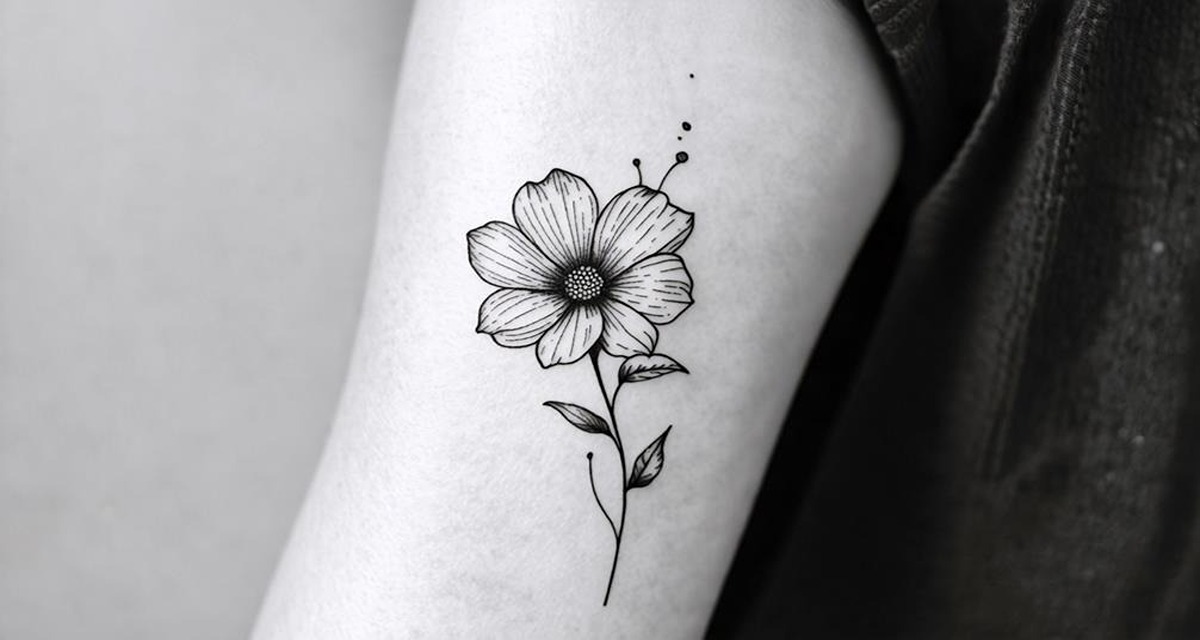
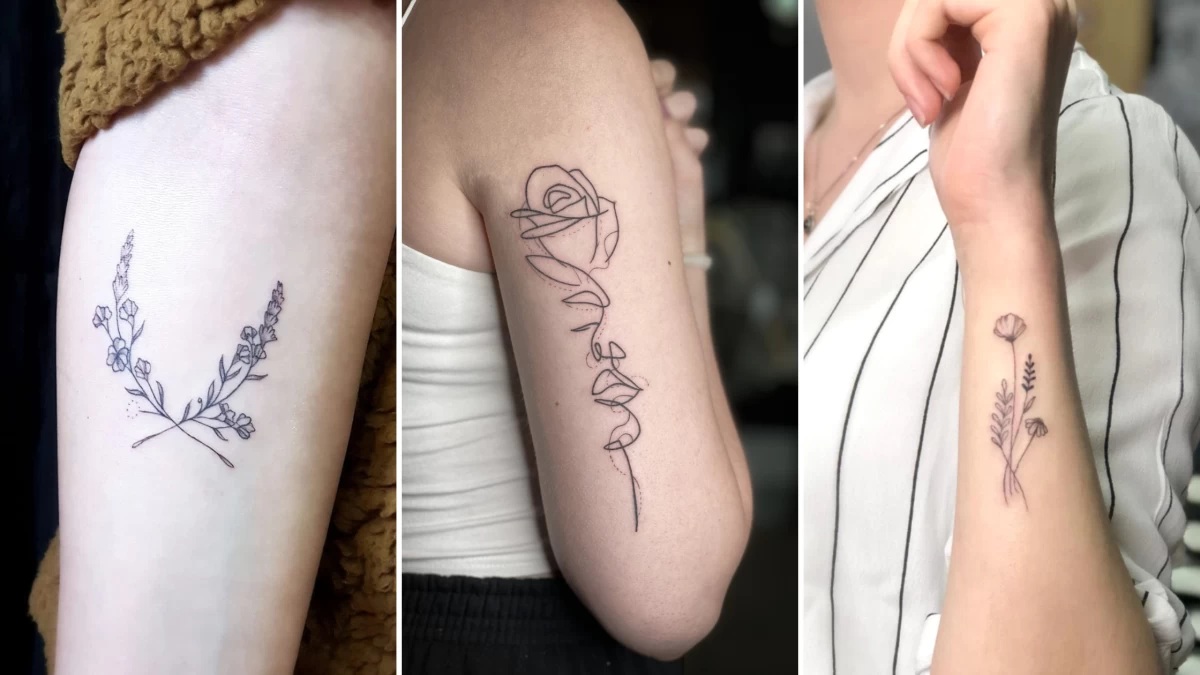
| Florals & Botanicals | The most popular subject. Delicate bouquets, single-line roses, sprigs of lavender, olive branches, and detailed leaf patterns. | The style perfectly captures the delicate, organic nature of flowers and plants without needing heavy colour or shading. |
| Human Figures & Faces | Often abstract or minimalist. Single-line face profiles, recreations of classical statues, Matisse-inspired nudes, and detailed hands. | The style can suggest the human form with a few elegant, flowing lines, creating an artistic and sophisticated look. |
| Animals | Typically rendered in a minimalist or illustrative outline. Spirit animals like snakes, wolves, birds, and delicate insects. | Fine lines can capture the essence and movement of an animal’s form without the need for photorealistic fur or feathers. |
| Abstract Forms & Script | Personal symbols, celestial patterns (constellations, sun, moon), and very fine, delicate script or single words. | The precision of the style is perfect for creating crisp, clean abstract designs and highly legible, elegant script. |
The Vibe & Placement: Creating a Stylish and Personal Statement
The combination of these elements—delicate lines, minimal shading, and elegant motifs—creates a very specific and powerful overall vibe that has made this style the go-to choice for the modern, fashion-conscious individual.
The Feeling of Fine Line: Clean, Delicate, Minimal, Stylish
The Fine Line Tattoo Style is unapologetically stylish. Its popularity in the worlds of high fashion, design, and celebrity culture has made it an instant signifier of a contemporary and sophisticated aesthetic. It is inherently delicate; the thin lines give it a fragile, almost ephemeral quality that feels precious and personal. The lack of heavy shading and colour makes the look incredibly clean and minimal, allowing it to complement a polished and modern look without ever feeling cluttered or loud. It is the perfect style for a first tattoo or for someone who wants a piece of art that enhances their style rather than dominating it.
The Perfect Canvases: Best Placements for Fine Line Tattoos
Because of their delicate nature, fine line tattoos are perfectly suited to the more intimate and elegant parts of the body, where a small detail can make a big impact. The best placement options often include:
- The Wrist and Inner Arm: These are classic placements for a small, personal symbol or a piece of delicate script. They are areas that are frequently visible to the wearer, serving as a personal reminder.
- Behind the Ear: A tiny floral sprig or a celestial symbol hidden behind the ear is the epitome of the “secret sparkle” aesthetic. It’s a piercing that is discovered, not announced.
- The Neck: A small design on the side or the back of the neck, just below the hairline, is a chic and increasingly popular choice that is both elegant and easily concealed.
- The Ankle and Ribcage: These are also popular spots for delicate, personal designs that feel intimate and special to the wearer.
The Fine Line Tattoo Style is perfect for creating “jewellery tattoos”—permanent, delicate adornments that feel like a subtle, integrated part of your body.
Linework / Fine Line Tattoo Style
The PinkTatPier Experience: Your Fine Line Tattoo Service in London
A perfect fine line tattoo is a testament to the artist’s skill. There is no room to hide. Every line must be flawless. At PinkTatPier, our Fine Line Tattoo Style service is built on a foundation of master-level artistry and a commitment to creating durable, beautiful art.
Our Specialist Fine Line Artists
Our studio is a curated collective of artists, and our pinktatpier studio services include dedicated specialists in the art of fine line and single needle tattooing. These artists have spent years honing their craft, developing the incredibly steady hands, the precise control, and the artistic eye for delicate composition that this style demands. When you book a consultation with us, you are gaining access to this specialist expertise, ensuring your delicate design is executed with the highest level of professional skill.
The Custom Design Consultation
Your journey begins with an in-depth, collaborative consultation. This is a creative summit where you bring your unique idea, and our artist brings their expert vision. We will discuss your motivations, your inspirations, and the story you want to tell. Our artist will then work with you to create a completely original and powerful composition, paying close attention to the flow of the design on your specific anatomy, and ensuring the final piece is perfectly balanced and artistically rendered.
The Longevity Question: Our Commitment to Durable Art
The biggest concern for clients interested in a fine line tattoo is how it will age. We are radically honest about this. The longevity of a fine line tattoo is almost entirely dependent on the skill of the artist. Our specialists have dedicated their careers to mastering the precise depth and speed required to implant a fine line that is both delicate and durable. We will also be honest with you during the consultation. If a design is too small or has details that are too intricate to age well, we will advise you on how to adjust it to ensure you will still love your tattoo in twenty years’ time. This commitment to longevity is a core part of our professional pinktatpier studio services.
Frequently Asked Questions (FAQ)
1. Do fine line tattoos fade faster than other styles?
They can, if they are not performed by an expert. An inexperienced artist may work too shallowly, causing the ink to fall out during healing, or they may work too deeply, causing the line to “blow out” and become blurry. A master fine line artist knows the precise depth to implant the ink to create a line that is both delicate and permanent. However, they do require diligent sun protection to stay crisp, as the lines are so fine that any sun damage can be more noticeable.
2. Does a fine line tattoo hurt less than a bold one?
Generally, yes. The process involves less trauma to the skin as the needle groupings are much smaller and the sessions are often shorter.4 Many clients describe the sensation as “scratchier” or “sharper” than a bolder tattoo, but overall, the pain level is considered to be quite low, making it an excellent choice for a first tattoo.
3. Can you do a fine line tattoo in colour?
Yes, absolutely. While black is the classic and most common choice for the Fine Line Tattoo Style, it can be created with coloured inks. This can produce a very beautiful, soft, and illustrative look, almost like a coloured pencil drawing on the skin. It’s a more unique and artistic take on the style.
4. How much does a fine line tattoo cost?
The cost of any tattoo is based on the time it takes to complete, which is determined by the size and complexity. While fine line tattoos may be small, they require an immense level of concentration and precision from the artist. You should not expect a “cheap” price. At a premier studio like PinkTatPier, you are paying for the master-level skill required to execute the style perfectly and durably.
5. Is the Fine Line Tattoo Style a good choice for a cover-up?
Absolutely not. The style is defined by its delicacy and its use of negative space. It has no ability to cover or conceal an old, existing tattoo, especially if the old tattoo has dark or dense areas. For a cover-up, you would need a style with much more saturation and boldness, such as Neo-Traditional or Japanese.
Linework / Fine Line Tattoo Style
Conclusion
The Fine Line Tattoo Style is the pinnacle of modern, minimalist elegance in the tattoo world. It is a celebration of the power of a single, perfect line to convey a world of meaning and beauty. It is a choice for the individual who values subtlety, sophistication, and a timeless, stylish aesthetic. While its execution is technically demanding, the result in the hands of a master is a piece of art that feels as light and personal as a cherished memory. It is not just a tattoo; it is a permanent piece of delicate jewellery, a whisper on the skin.