
Emergency Piercing Services in London: What to Do if You Have a Problem

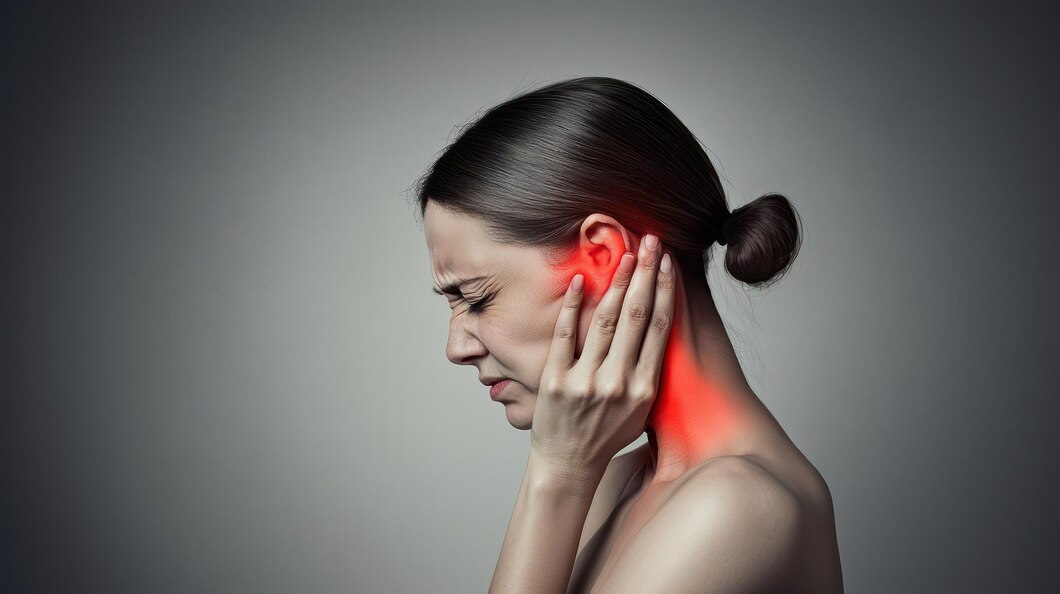
A new piercing should be a source of joy and self-expression. You’ve chosen your placement, selected beautiful jewellery, and bravely gone through with the procedure. But sometimes, the healing process doesn’t go as planned. Unexpected swelling, a mysterious and persistent bump, or a piece of jewellery that won’t budge can quickly turn excitement into anxiety. In these moments of panic, a frantic search for “emergency piercing London” often begins.
If you’re reading this because you are worried about a piercing, the first and most important step is to take a deep breath. The vast majority of piercing problems are not true medical emergencies, but rather common, solvable issues that require professional guidance. This guide is designed to be that calm, expert voice. We will help you assess your situation, understand the crucial difference between simple irritation and a genuine infection, and know exactly when to see a professional piercer versus when to seek medical attention.
Our goal is to empower you with the knowledge to manage your piercing with confidence. At PinkTatPier, we see ourselves not just as artists who create piercings, but as dedicated professionals who provide support throughout their entire lifespan.
Disclaimer: This article is for informational purposes only and is not a substitute for professional medical advice. If you have clear signs of a severe or spreading infection (such as a high fever, chills, or red streaks from the piercing site), please seek immediate medical attention from a GP or an urgent care centre.
emergency piercing London
The First Step: Don’t Panic and, Above All, Don’t Remove the Jewellery
When a piercing becomes painful, swollen, or starts secreting fluid, the first panicked instinct is often to yank the jewellery out. This is almost always the worst thing you can do.
The Golden Rule: Leave the Jewellery In
Removing jewellery from an irritated or potentially infected piercing can cause several serious problems.1
- Trapping the Infection: If an infection is present, the surface piercing holes can close up almost instantly once the jewellery is removed. This traps the infection under the skin, preventing it from draining and potentially leading to a much more serious abscess that may require medical intervention to drain.
- Losing the Piercing: A healing piercing, especially in the first few weeks and months, can shrink and close in a matter of minutes or even seconds. By removing the jewellery, you will almost certainly lose the piercing you’ve invested time and money in.
- Causing More Trauma: Attempting to force jewellery out of a swollen and painful piercing can cause significant additional trauma to the delicate tissue, making the existing problem much worse.
Unless you are explicitly told to do so by a medical doctor, keep the jewellery in place. It is keeping the channel open, which is essential for both healing and, if necessary, for allowing an infection to drain.
Triage 101: Is It Normal Healing, Irritation, or an Infection?
The most critical skill is learning to differentiate between the three states of a piercing. What often sends people searching for emergency piercing London is simply a misunderstanding of the normal, and sometimes dramatic, healing process.
What Normal Healing Looks and Feels Like
- Initial Phase (First 1-4 weeks): Expect localised redness, swelling, and tenderness. It’s a fresh wound, after all. You will also see a clear or whitish-yellow fluid that dries into “crusties.” This is lymph fluid, a normal part of the healing process, not pus.
- Mid-Healing Phase (1-6 months): The piercing will become significantly less tender, but can have periods of being itchy or slightly fussy. The “crusties” will continue, but should lessen over time.
Understanding Irritation: The Most Common Culprit (95% of Cases)
The vast majority of piercing “problems” are not infections; they are simply physical irritation. The piercing is a foreign object, and the body will react if it is being disturbed.2 Identifying and removing the source of irritation is the key.

emergency piercing London
Common Causes of Irritation:
- Mechanical Stress: This is the number one cause. It includes sleeping on the piercing, snagging it on clothing or hair, wearing headphones that press on it, or twisting/fiddling with the jewellery.
- Chemical Irritation: Using harsh chemicals is counterproductive.3 This includes alcohol, peroxide, TCP, tea tree oil, and any scented soaps, lotions, or makeup near the piercing site. These products are far too aggressive and disrupt the delicate healing process.
- Moisture: Not drying your piercing properly after cleaning or showering can create a damp environment where bacteria can thrive, leading to irritation.
- Incorrect Jewellery: This is a huge factor.
- Material: A reaction to low-quality metal (especially nickel in “surgical steel”) can cause intense itching and redness.4
- Size: Jewellery that is too short can embed in the swollen tissue. Jewellery that is too long (after initial swelling has subsided) can snag easily and move excessively.5
- Style: An inappropriate style, like a ring in a healing helix or navel, can cause constant pressure and movement.
Symptoms of Irritation: The key here is that the symptoms are localised to the immediate piercing area. They include moderate redness, slight swelling, itchiness, and the potential formation of a small, fluid-filled “irritation bump” right next to the piercing hole.
Identifying a True Infection: The Telltale Signs
A bacterial infection is much less common than irritation but needs to be taken more seriously. An infection will present with much more severe and often spreading symptoms.
Symptoms of a Genuine Infection:
- Intense, Spreading Pain and Throbbing: The pain is often persistent, radiating outwards from the piercing, and feels hot and throbby.
- Excessive Swelling and Redness: The redness and swelling are significant and spread far from the immediate piercing site.
- The Area is Hot to the Touch: The skin around the piercing will feel noticeably hot compared to the surrounding area.
- Thick, Opaque Pus: The discharge will be thick, opaque, and typically green, dark yellow, or brownish. This is very different from the normal, clear/whitish lymph fluid.
- A Foul Odour: An infection often has a distinct, unpleasant smell.6
- Systemic Symptoms: If the infection is becoming serious, you may experience systemic symptoms like a fever, chills, or nausea. If you have these symptoms, you must seek medical attention immediately.
Quick-Reference Chart: Irritation vs. Infection
| Symptom | Irritation | Infection |
| Pain | Localised tenderness, can be itchy. | Intense, throbbing, radiating pain. |
| Swelling | Mild to moderate, localised to the piercing site. | Significant, spreading, and hard swelling. |
| Redness | A pink or red ring directly around the jewellery. | Deep, angry red colour that spreads outwards. |
| Discharge | Clear, whitish, or pale yellow fluid that forms “crusties.” | Thick, opaque, green/dark yellow/brownish pus. |
| Heat | Area may feel slightly warm. | Area will be noticeably hot to the touch. |
| Systemic | None. | Possible fever, chills, feeling unwell. |
Common Piercing Problems and Our Professional Solutions
When you contact a professional studio for an emergency piercing London service, you are accessing their expertise in troubleshooting these common issues. Here’s what we can help with.
Problem: The Dreaded “Irritation Bump” (Granuloma)
This is the number one reason people panic. A small, red, fluid-filled bump appears next to the piercing. This is not a keloid or a permanent scar. It is a granuloma, your body’s inflammatory response to persistent irritation.
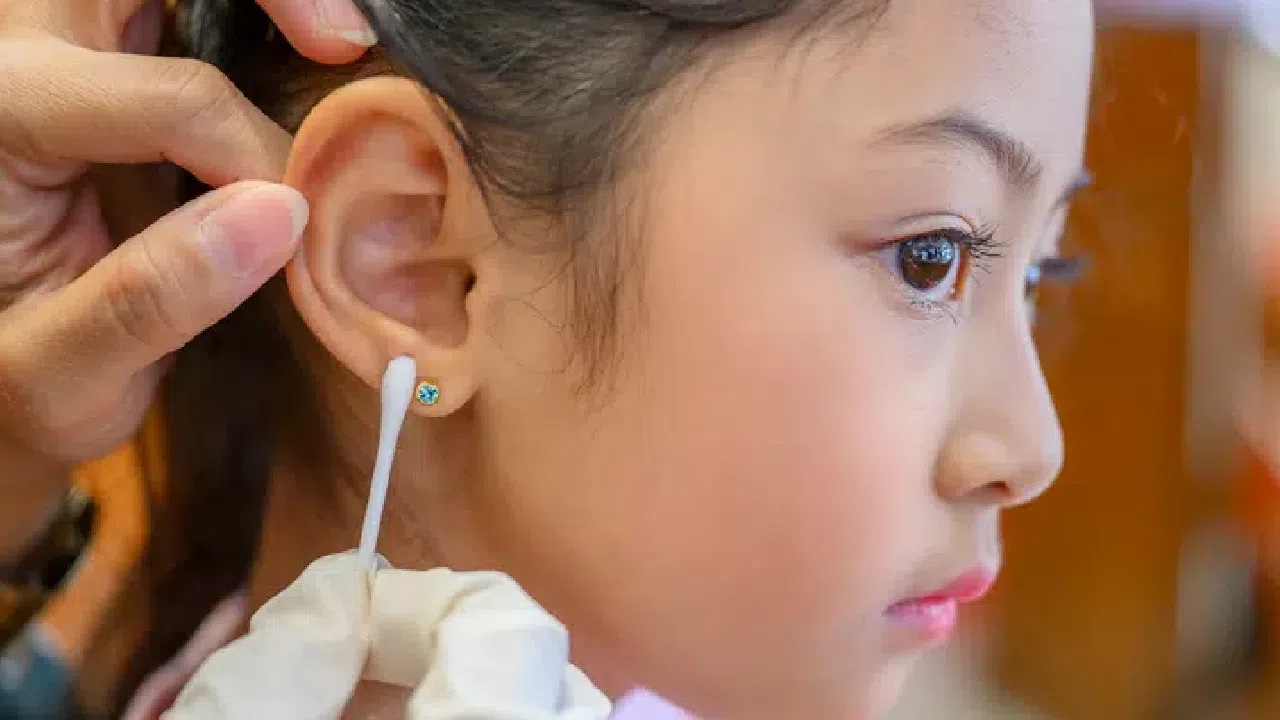
Our Solution: We act as detectives. During a consultation, we will assess your piercing and ask detailed questions to identify the source of the irritation. Is it the angle of the piercing? Is the jewellery too long? Are you sleeping on it? Once we identify the cause, we can provide the solution. Most often, this involves downsizing the jewellery to a perfectly fitted, implant-grade labret stud. This single change removes the source of the mechanical stress, and with a continued gentle aftercare routine, the bump will almost always resolve on its own over the following weeks.
emergency piercing London
Problem: Swelling and Jewellery That’s Become Too Tight
This is a true piercing emergency. If the initial swelling is more than anticipated, or if you were pierced with a bar that was too short, the ends of the jewellery can press into the tissue, or in severe cases, become fully embedded.
Our Solution: You must see a professional piercer immediately. We have the specialised tools and techniques to safely and gently remove the tight end and swap the short bar for a longer, sterile one. This provides immediate relief and prevents the serious complication of embedded jewellery. Do not try to pry it out yourself.
Problem: Lost or Broken Jewellery in a Healing Piercing
You’ve woken up and the ball from your labret is gone, or a ring has come unclasped. A healing piercing, especially a new one, can shrink and close in a matter of minutes.
Our Solution: Contact us as soon as possible. If you come in quickly, we can often use a sterile insertion taper—a smooth, pin-like tool—to gently guide new, appropriate jewellery back into the channel, saving the piercing. The longer you wait, the harder this becomes.
Problem: Suspected Allergic Reaction to Low-Quality Metal
You got a “bargain” piercing, and now the area is intensely itchy, red, flaky, and possibly weeping. This is a classic sign of a nickel allergy, common with low-quality “surgical steel.”
Our Solution: We can immediately and safely swap out the mystery metal for a certified, implant-grade titanium piece. Titanium is virtually nickel-free and biocompatible. For most clients, this provides almost immediate relief from the allergic reaction, and the piercing can then begin to heal properly.
Problem: Removing a Piercing You No Longer Want (or That Has Failed)
Even taking a piercing out should be done professionally, especially if it’s a complex piece of jewellery (like a captive bead ring) or if the piercing is irritated. We can remove the jewellery with minimal trauma to the tissue, allowing the channel to close cleanly.
When to See a Piercer vs. When to See a Doctor
Knowing who to turn to is crucial. Here is your responsible triage guide.
See Your Professional Piercer First For:
- Irritation bumps.
- Concerns about placement, angle, or crookedness.
- All jewellery-related issues: too long, too short, lost, broken, or needs changing.
- Suspected mild allergic reactions.
- General healing questions and concerns.
- Any problem where the symptoms are localised and you do not feel unwell.
See a Doctor (GP or Urgent Care) Immediately For:
- Clear signs of a spreading infection, as detailed in the chart above (hot, spreading redness, thick pus).
- Systemic symptoms like a high fever, chills, or nausea.
- Severe, uncontrolled bleeding (which is extremely rare).
- Jewellery that has become fully embedded under the surface of the skin.
- Any piercing problem that is causing you extreme, unbearable pain.
The Piercer-Doctor Partnership: If you do have an infection, a doctor will provide you with the necessary antibiotics. However, it is often still beneficial to see your piercer. We can ensure the jewellery in place is of an appropriate size and material to allow the piercing to drain effectively as the antibiotics work, which is a crucial part of the healing process.
emergency piercing London
Frequently Asked Questions (FAQ)
1. My piercing is definitely infected. Should I take the jewellery out before I see a doctor?
No, absolutely not. As explained above, removing the jewellery is the worst thing you can do as it can trap the infection and lead to an abscess.7 Leave the jewellery in so the channel can drain, and let your doctor advise you.
2. Can I just use TCP, tea tree oil, or an aspirin paste on my piercing bump?
Please don’t. These are common “internet remedies” that are very harmful. TCP, alcohol, and peroxide are harsh chemicals that destroy healthy healing tissue. Tea tree oil is far too strong and can cause chemical burns.8 An aspirin paste is not sterile and will only cause more irritation. The only thing that should ever go on your piercing is sterile saline solution.
3. The studio that did my piercing was unprofessional/is now closed. Can you still help me?
Yes, absolutely. We are here to help everyone in the piercing community, regardless of where the piercing was performed. We offer a non-judgmental, professional service to help you troubleshoot any issues you are having. Providing this kind of support is a key part of what it means to be a professional emergency piercing London resource.
4. My piercing is just a little red and fussy. Am I overreacting by wanting to get it checked?
Never. You are not overreacting. It is always better to be safe and have a professional look at it. A quick check-up can provide immense peace of mind or can help us catch a small problem before it becomes a big one. We are always happy to check on a healing piercing.
5. Do you offer services to remove a “botched” piercing done elsewhere?
Yes. If you have a piercing that is crooked, misplaced, or has migrated, we can safely remove the jewellery for you with minimal trauma to the tissue. This allows the area to heal, and we can then discuss the possibility of re-piercing it correctly in the future once the tissue has fully recovered.
Conclusion
Experiencing a problem with a new piercing can be a stressful and worrying time. However, it’s important to remember that most issues are not serious medical emergencies but are common, solvable problems that stem from irritation. Panicking is not necessary, but taking prompt, informed action is crucial. Never hesitate to reach out to a professional piercer for advice. A reputable studio will always be happy to help, whether they performed the initial piercing or not.
Our role extends beyond creating beautiful piercings; we are here to be a calm, knowledgeable, and non-judgmental resource for the entire piercing community in London.