
Ampallang and Apadravya Piercings: Differences, Pain Levels, and Uses

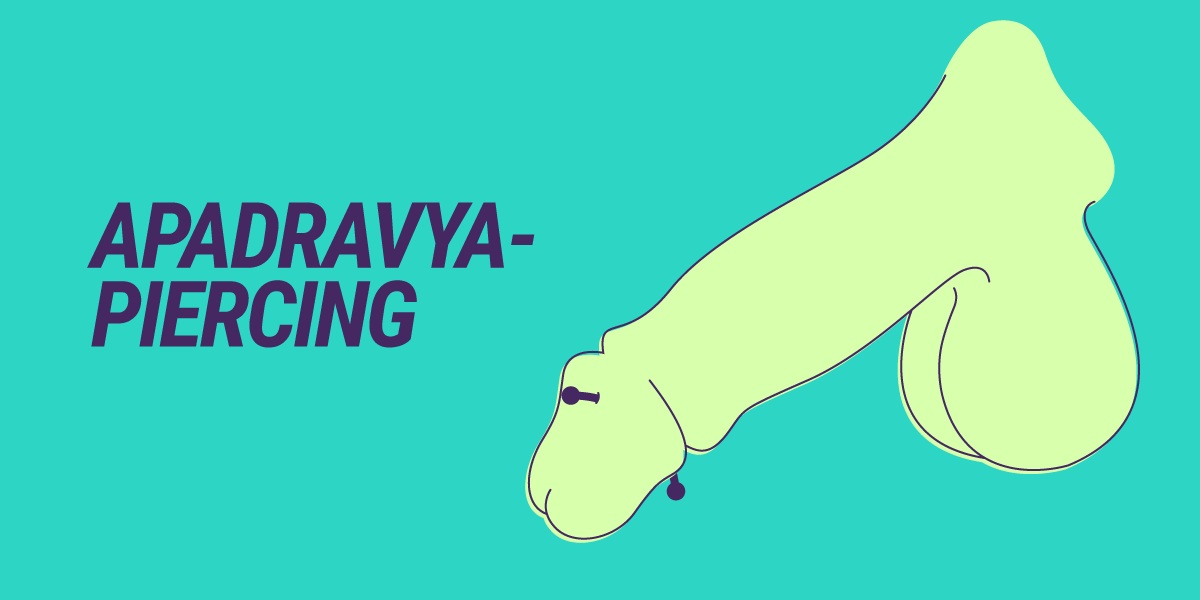
Entering the realm of advanced male genital modifications is a profound decision that requires an expert understanding of human anatomy, precise spatial awareness, and an uncompromising commitment to sterility. Among the most revered and anatomically demanding modifications are the Ampallang and the Apadravya. These are not standard dermal punctures; passing a needle completely through the dense, highly vascular tissue of the glans penis requires an elite level of clinical skill. At the highly reputable pinktatpier studio, we approach these heavy-tissue piercings with the strict discipline of a minor surgical procedure, ensuring that every client feels intensely reassured, educated, and physically safe.
Ampallang and Apadravya Piercings
Understanding the fundamental architectural differences between these two piercings is the mandatory first step. Both involve completely traversing the glans, but their trajectories, functional mechanics, and relationship with the internal urethral tract differ significantly.
The Ampallang Piercing: Horizontal Glans Modification Explained
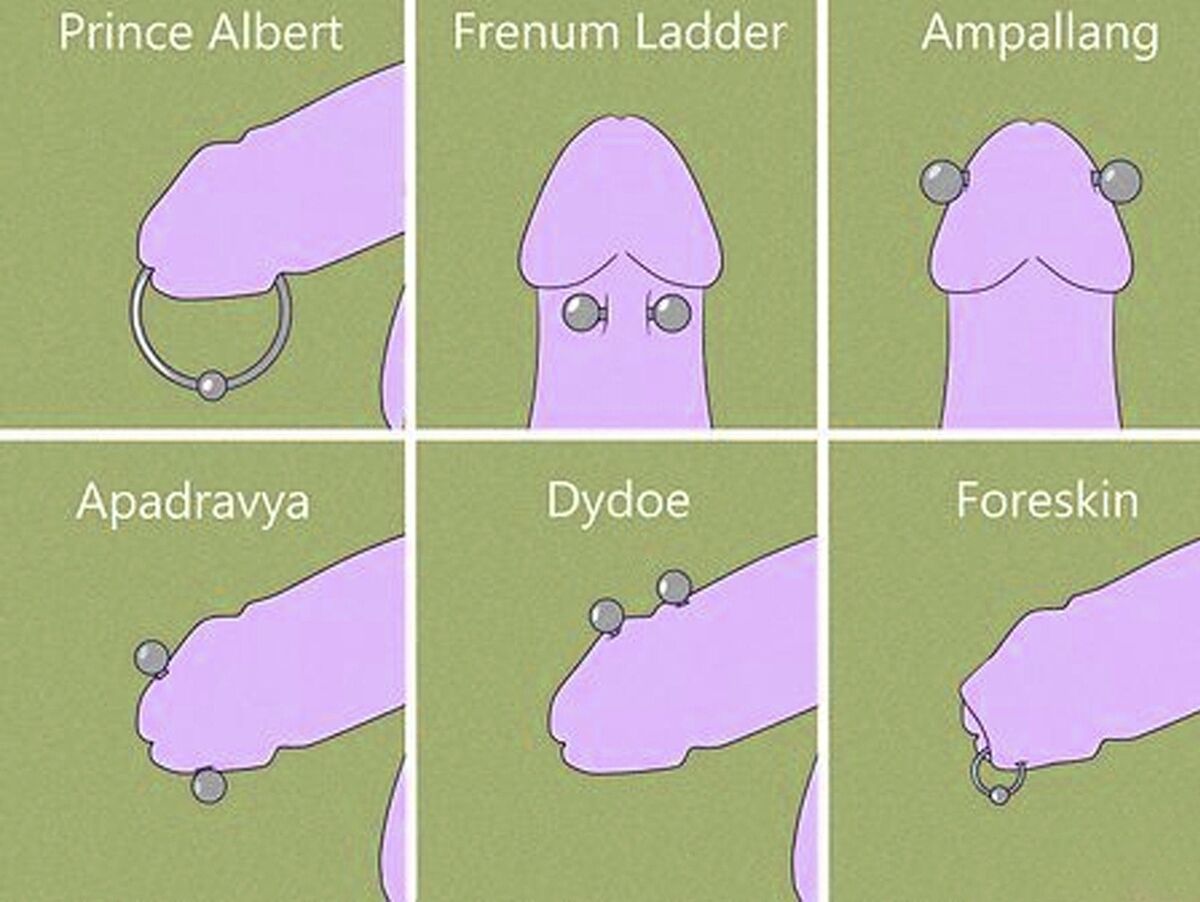
The Ampallang is defined by its horizontal trajectory. In this modification, the piercing channel is executed laterally, passing from one side of the glans to the exact opposite side (left-to-right or right-to-left). The placement is typically centered on the glans, but the exact horizontal axis must be meticulously calculated based on the individual’s unique tissue structure.
Anatomically, the Ampallang can be placed in two distinct ways regarding the internal urinary tract: trans-urethral or supra-urethral. A trans-urethral Ampallang passes directly through the urethra, effectively intersecting the urinary channel. A supra-urethral Ampallang is placed slightly higher, passing entirely above the urethra through the solid spongy tissue of the glans. The choice between these two placements is rarely a matter of mere aesthetic preference; it is dictated by the precise anatomical topography of the client. At pinktatpier, our elite piercers map the internal structures to determine which pathway offers the maximum stability and the lowest risk of tissue rejection or urinary disruption. The horizontal nature of the Ampallang creates a distinct, visually dominant profile, widening the aesthetic of the glans and engaging different nerve clusters than its vertical counterpart.

Apadravya Piercing
The Apadravya Piercing: Vertical Placement and the Prince Albert Connection
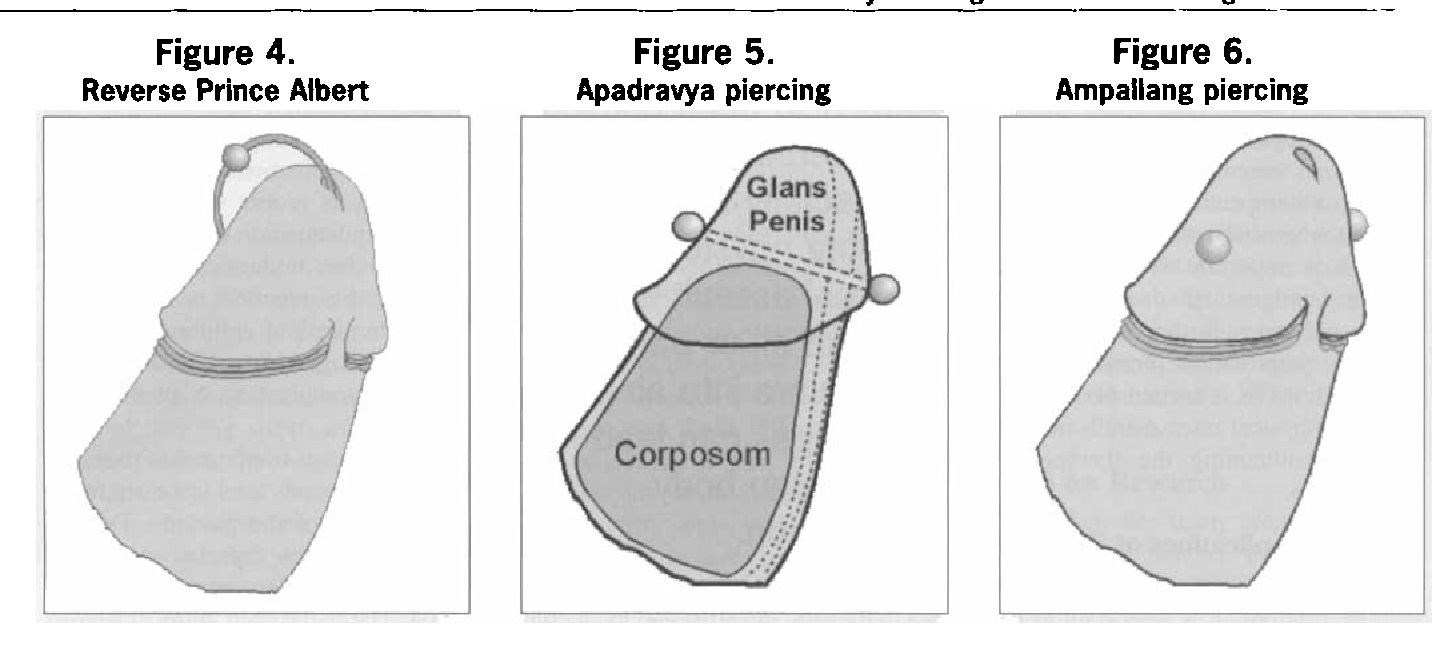
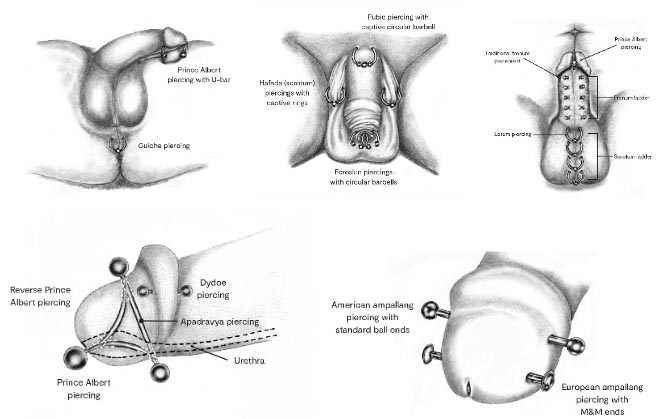
Conversely, the Apadravya is the ultimate vertical glans piercing. The trajectory passes from the top center of the glans (the dorsum) straight down through the center, exiting at the bottom (the ventral side), typically at or near the natural opening of the urethra (the meatus).
To fully understand the Apadravya functionally and anatomically, it is best described as the seamless combination of two distinct, lesser modifications: the Prince Albert (PA) and the Reverse Prince Albert (RPA). A traditional Prince Albert enters through the urethra and exits at the bottom of the glans. A Reverse Prince Albert enters through the urethra and exits at the top center of the glans. The Apadravya is the synthesis of both, forming one continuous vertical channel that intersects the urethra directly in the center of the glans. Because it passes through the thickest, most central column of the corpus spongiosum (the erectile tissue), the Apadravya is widely considered the king of male genital piercings. It requires absolute geometric precision to ensure the jewelry sits perfectly plumb when the tissue is both flaccid and erect.
Anatomical Comparison: Ampallang (Horizontal) vs. Apadravya (Vertical)
To provide a clear, clinical overview of how these two advanced piercings interact with the male anatomy, review the following functional breakdown:
| Anatomical Feature | The Ampallang (Horizontal) | The Apadravya (Vertical) |
| Trajectory | Lateral (Left to Right / Right to Left). | Vertical (Top to Bottom). |
| Urethral Intersection | Optional. Can be Trans-urethral (through) or Supra-urethral (above). | Mandatory. Always passes vertically through the urethra. |
| Modification Analogy | Standalone horizontal deep-tissue channel. | A continuous combination of a Prince Albert and Reverse Prince Albert. |
| Tissue Resistance | High. Pierces across the width of the corpus spongiosum. | Extreme. Pierces through the thickest central core of the glans. |
| Visual Architecture | Creates a wider, horizontal aesthetic profile across the glans. | Creates a taller, symmetrical profile centered on the glans. |
The pinktatpier Anatomy Consultation: Ensuring Tissue Viability and Safety
Because the glans penis is composed of the corpus spongiosum—a highly specialized, sponge-like network of blood vessels designed to engorge during arousal—executing an Ampallang or Apadravya is never a “walk-in” procedure. The foundation of a successful, safe piercing lies entirely in the pre-procedure evaluation.
At pinktatpier, every advanced genital modification begins with a mandatory, highly discrete, and strictly clinical Anatomy Consultation. Our elite practitioners understand that male anatomy varies wildly; no two structures are identical. During this consultation, we perform a rigorous physical assessment to ensure the tissue can safely support the extreme demands of these piercings.
First, we assess the overall size, depth, and density of the glans. The tissue must be robust enough to support heavy-gauge jewelry (which will be discussed in Chapter 4) without risking migration or “cheese-wiring” under the immense pressure of an erection. Second, we map the exact location of the urethra and the meatus. For an Apadravya, the central alignment is critical; if a client has a deviated meatus or a pronounced natural stricture, the vertical angle must be mathematically adjusted to ensure the internal urinary flow is not structurally compromised. For an Ampallang, we measure the lateral width to determine the exact millimeter length of the required initial titanium barbell.
Furthermore, the pinktatpier consultation is designed to empower the client. We demystify the internal anatomy, clearly explaining where the major nerve bundles are located and how the needle will safely bypass critical dorsal nerves to prevent any loss of function. We check the frenulum (the elastic band of tissue under the glans) to ensure it will not interfere with the bottom exit wound of an Apadravya.
By the end of this anatomical clearance, the client knows exactly what their specific body can handle. We do not proceed unless the anatomy dictates a 100% safe and viable outcome. This uncompromising dedication to anatomical science and sterile protocol is what separates the extreme risk of amateur modification from the elite, secure artistry provided at pinktatpier.
The Pain Reality and Managing Initial Bleeding
Stepping into the procedure room for an advanced male genital modification requires mental fortitude and a profound trust in your practitioner. Unlike superficial skin piercings or standard cartilage punctures, traversing the core of the glans penis is a significant physiological event. At pinktatpier, we believe that bracing a client for this reality through brutal honesty and clinical education is the highest form of reassurance. There is no benefit in minimizing the physical impact of these modifications. By thoroughly understanding the biological response—specifically regarding the pain scale and the inevitable vascular reaction—clients can shift their mindset from anxiety to empowered preparation, knowing exactly what their body is about to experience.
Piercing the Corpus Spongiosum: Understanding the Pain Scale
When discussing the reality of these procedures, we must first address the sheer density of the tissue involved. The glans is comprised of the corpus spongiosum, a highly specialized, dense, and sponge-like matrix of erectile tissue. This tissue is radically different from the relatively compliant skin of an earlobe or a nipple. Passing a large-gauge needle through this dense matrix involves a significant amount of physical tissue displacement. Consequently, the Apadravya piercing pain—as well as the intense somatic sensation of an Ampallang—registers much higher on the pain scale than standard body modifications.
It is vital to understand that while the pain is acute and intensely sharp, it is remarkably brief. The actual transition of the needle through the tissue takes only a matter of seconds. Clients often describe the sensation as a sudden, immense pressure followed by a sharp, localized burning or pinching as the jewelry is swiftly guided into the fresh channel. The nervous system reacts strongly because the area is densely packed with highly sensitive nerve endings designed for reproductive function and tactile feedback. However, this momentary shock is entirely manageable when approached with the correct mindset and under the guidance of a seasoned professional. It is an intense flash of physical feedback—a necessary hurdle to achieve the desired modification.
Heavy Bleeding Expectations: Why High Blood Flow is Normal
Immediately following the acute pain of the needle transfer, the body’s secondary physiological response initiates: bleeding. The corpus spongiosum is, by its very biological design, a highly vascular structure intended to rapidly engorge with blood. Therefore, puncturing it will inevitably result in a substantial release of blood. We must normalize this fact immediately. A significant amount of Ampallang bleeding or Apadravya bleeding is not a sign of a procedural failure, a botched angle, or a medical crisis; it is a perfectly normal, expected physiological reaction to deep tissue trauma in a highly vascularized zone.
Clients are often startled by the volume of blood, which can appear dramatic in a clinical setting. The piercing may continue to bleed steadily for the first several hours and intermittently for several days, especially during nocturnal erections or immediately following urination. The complex vascular network within the glans does not instantly seal itself. It requires time to coagulate, stabilize, and begin the formation of a fistula (the healed skin tunnel inside the piercing). Understanding this biological reality prevents unnecessary panic. At pinktatpier, we extensively prepare every client for this phase so that the sight of heavy bleeding at home is met with calm, educated understanding rather than medical alarm.
First 14 Days: Normal Bleeding Expectations vs. Medical Emergencies
To help our clients navigate the crucial initial healing phase, we have categorized the bleeding timeline. This table clearly delineates what is a standard biological response versus a scenario requiring immediate medical intervention.
Apadravya Piercing
| Phase / Symptom | Normal Bleeding Expectations (Standard Healing) | Medical Emergencies (Seek Immediate Help) |
| Hours 1 to 24 | Steady, sometimes heavy flow immediately after the procedure. Noticeable bleeding mixed with urine. | Pulsating, arterial spurting that cannot be stopped with firm, continuous pressure. |
| Days 2 to 5 | Intermittent spotting, especially noticeable in the morning due to nocturnal erections. Blood-tinged urine. | Excessive, uncontrollable pooling of blood filling heavy garments rapidly within an hour. |
| Days 6 to 14 | Light spotting or clear/yellowish lymphatic fluid mixed with minor, dark traces of old blood. | Sudden return of heavy, bright red bleeding after it had previously stopped entirely. |
| Clotting & Bruising | Dark purple or black bruising around the glans and shaft. Small, dark, jelly-like clots at the entry/exit holes. | Extreme, hot swelling extending deep into the groin, accompanied by a high fever, nausea, or chills. |
Breathing Techniques and Trauma Management During the Procedure
Managing the intense, brief trauma of these heavy-tissue piercings requires a synchronized, collaborative effort between the elite piercer and the client. The nervous system’s natural fight-or-flight response can cause a sudden drop in blood pressure, leading to lightheadedness, nausea, or a vasovagal syncope (fainting). To proactively mitigate this, deep, rhythmic breathing is absolutely paramount.
Before the needle is even unsheathed, our specialists instruct the client on proper diaphragmatic breathing. By focusing on slow, controlled inhalations through the nose and forceful exhalations through the mouth, the client intentionally lowers their heart rate and oxygenates their blood. During the exact moment the needle passes through the corpus spongiosum, a sharp, deep exhale helps to push the mind through the acute pain barrier. This active physical engagement prevents the body from going into sudden shock. Mental grounding—such as focusing on a specific focal point on the ceiling—combined with this heavy breathing, effectively anchors the client’s consciousness while the tissue is securely modified.
The pinktatpier Protocol: Sterile Hemostasis and Immediate Stabilization
The true mark of a world-class piercing studio is not just successfully executing the puncture, but safely and clinically managing the immediate aftermath. As soon as the sterile, implant-grade jewelry is securely threaded and locked into place, the pinktatpier hemostasis (bleeding control) protocol immediately begins. We do not simply hand a bleeding client a paper towel and send them out the door. We immediately apply thick, sterile gauze pads directly to the entry and exit wounds, utilizing firm, continuous pressure to encourage the initial blood clotting cascade.
Our environment remains strictly clinical, quiet, and serene. The client is kept in a comfortable, reclined position to stabilize their blood pressure while we manage the heavy bleeding on their behalf. We continuously monitor their pallor, heart rate, and overall responsiveness. Only when the primary bleeding has been substantially subdued—which often requires ten to twenty minutes of sustained, applied pressure—do we begin the transition to aftercare education. Before the client stands, we construct a secure, breathable sterile dressing to protect the fresh wound and absorb the inevitable secondary bleeding that will occur on the journey home. This uncompromising dedication to post-procedural stabilization ensures that every man leaves pinktatpier not just modified, but medically secured, fully educated, and profoundly respected.
Uses, Functional Benefits, and Partner Stimulation
Beyond the initial physiological responses and the clinical reality of the piercing process lies the ultimate objective: the profound functional and aesthetic transformation of the male anatomy. Men do not undergo the intense rites of passage associated with advanced genital modifications merely for the sake of endurance. They do so for the lasting impacts these modifications have on their personal psychology, physical sensation, and intimate relationships. At pinktatpier, we recognize that the motivations driving clients toward these extreme procedures are deeply personal yet anatomically grounded. Exploring the functional uses of these heavy-tissue modifications requires a mature, strictly clinical understanding of human sexual mechanics and nerve topography.
Aesthetic Dominance and Psychological Empowerment
The visual impact of a fully healed, large-gauge piercing traversing the glans is undeniably striking. For many men seeking pinktatpier male modifications, the primary driving force is an assertion of bodily autonomy and aesthetic dominance. The presence of polished, implant-grade metal intersecting the reproductive anatomy creates a stark contrast that many find visually empowering. It is a permanent, physical manifestation of endurance and personal ownership over one’s physiological form.
This psychological empowerment often translates into enhanced confidence within intimate spaces. The wearer knows they possess a unique, highly specialized anatomical alteration that commands attention and radically alters the standard visual profile of the male anatomy. This sense of taking control over one’s aesthetic is a powerful motivator, turning the body into a highly customized, functional work of art. The piercing serves as a psychological anchor, reinforcing a sense of grounded masculinity and personal sovereignty that extends far beyond the physical presence of the jewelry itself.
Personal Sensation: Enhancing Male Nerve Receptor Engagement
While much of the discourse surrounding these piercings focuses on partner benefits, the sensory impact on the wearer is a critical, highly rewarding component of both the Ampallang and the Apadravya. The glans penis and the internal urethral tract are densely packed with mechanoreceptors and sensitive nerve endings. Once fully healed, the presence of a rigid metal barbell within this dynamic, spongy tissue creates continuous, shifting internal pressure.
During states of arousal and engorgement, the erectile tissue expands aggressively against the unyielding titanium shaft. This resistance results in a heightened sense of fullness and intense localized stimulation from the inside out. Furthermore, the added physical weight of heavy-gauge jewelry alters the biomechanics of movement. Every physical shift, stride, or intimate motion provides a subtle, tactile reminder of the piercing’s presence, stimulating the internal neural pathways in ways that unmodified anatomy simply cannot experience. This internal friction, generated by the movement of the barbell through the healed fistula, provides a highly specialized sensory feedback loop for the wearer, drastically amplifying the neurological response during intercourse.
Apadravya Partner Stimulation: Vertical Friction Mechanics
When analyzing the biomechanics of penetrative intercourse, the Apadravya is widely celebrated for its targeted, highly effective stimulation capabilities. Because the jewelry is oriented strictly on a vertical axis, the top and bottom beads act as prominent, unyielding nodes of friction. Apadravya partner stimulation is primarily driven by this vertical architecture.
During vaginal penetration, the superior (top) bead aggressively targets the anterior fornix and the complex nerve clusters of the G-spot and A-spot along the front vaginal wall. Depending on the anatomical alignment and the depth of penetration, it can also provide rhythmic, external stimulation to the clitoral glans during specific penetrative angles. In the context of anal intercourse, this same vertical orientation provides profound, direct mechanical stimulation to the prostate gland. The rigid, protruding beads create a concentrated pressure point that dynamically sweeps across the internal mucosal walls, drastically amplifying the neurological response and potential for climax for the receiving partner. The Apadravya essentially transforms the anatomy into a highly tuned instrument for targeted pressure.
Ampallang Benefits: Horizontal Stretching and Internal Sensation
Conversely, the horizontal architecture of the Ampallang offers a completely different, yet equally profound, mechanical advantage during intimacy. The primary Ampallang benefits revolve around lateral stretching and the sensation of absolute fullness. Because the barbell protrudes from the left and right sides of the glans, it effectively increases the overall functional width of the anatomy.
During penetration, these lateral beads engage the side walls of the vaginal or anal canal—areas that are often under-stimulated by standard anatomy. This creates a distinct, broad stretching sensation rather than the targeted pressure points of the vertical Apadravya. The horizontal friction engages a wider surface area of the internal mucosal lining, providing a unique, encompassing tactile experience that many partners find intensely satisfying. It fundamentally alters the geometry of penetration, transforming the standard mechanics of friction into a customized, high-impact sensory event. The Ampallang does not just stimulate; it stretches and fills the canal in a way that maximizes sensory receptor engagement on the lateral planes.
Apadravya Piercing
Stimulation Mechanics: How the Ampallang vs. Apadravya Affects Both Partners
To clinically categorize these functional differences and aid in client decision-making, the following table breaks down the specific biomechanical and sensory impacts of both piercings during intimate engagement.
| Interaction Point | The Ampallang (Horizontal) | The Apadravya (Vertical) |
| Wearer Sensation | Internal pressure across the lateral width; sensation of horizontal expansion during arousal. | Deep, core pressure along the vertical axis; intense urethral stimulation during engorgement. |
| Partner: Vaginal Dynamics | Broad lateral stretching; engages the side walls of the canal; creates a feeling of intense fullness. | Targeted pressure on the anterior wall; highly effective for G-spot and A-spot stimulation. |
| Partner: Anal Dynamics | Lateral distension of the sphincter and rectal walls; broad, sweeping internal friction. | Direct, concentrated mechanical stimulation of the prostate gland via the superior/inferior beads. |
| Clitoral Interaction | Minimal direct contact unless specific angles or specialized jewelry are actively employed. | High potential for external clitoral stimulation via the top bead during specific angles. |
| Biomechanical Profile | Maximizes horizontal width and lateral surface area friction. | Maximizes targeted depth pressure and vertical nodal friction. |
Understanding these functional mechanics is paramount. At pinktatpier, we ensure that our clients are not merely selecting a modification based on aesthetics, but are making an educated, anatomically sound decision based on the precise type of sensory enhancement they wish to achieve. Adapting to these new biomechanics requires clear communication with partners, but the resulting sensory evolution is entirely unprecedented.
Proper Jewelry Selection and Sizing for Erections
The realm of advanced male modifications demands a fundamental respect for biomechanics and material science. A piercing that traverses the glans penis is not a static installation; the corpus spongiosum is a highly dynamic, reactive tissue matrix designed for extreme volumetric expansion. At pinktatpier, the mathematical calculation of jewelry dimensions is treated with the same severity as the sterile puncture itself. Guesswork is entirely unacceptable when dealing with heavy-tissue modifications. Selecting the correct hardware requires a clinical understanding of how the male anatomy behaves under extreme physiological changes, ensuring that the piercing remains stable, safe, and entirely functional for the rest of the wearer’s life.
The Absolute Necessity of Accommodating Erect vs. Flaccid States
The most critical variable in genital piercing architecture is the massive disparity between the flaccid and erect states. Unlike a cartilage piercing, which remains static in size, the glans undergoes a profound physical transformation. The transition into a full erection involves a massive, rapid influx of blood, expanding the tissue drastically in both horizontal width and vertical depth. The absolute necessity of accommodating this expansion is the foundational rule of our safety protocol.
If a piece of jewelry is measured and fitted solely based on the flaccid, resting state of the anatomy, the consequences upon arousal will be immediate and severe. As the dense erectile tissue expands against unyielding metal, the jewelry will violently compress the glans. This restriction chokeholds vital blood flow, causes agonizing internal pressure, and forces the solid metal beads to embed deeply into the sensitive outer dermal layers. At pinktatpier, our elite piercers utilize precise anatomical assessments to calculate the maximum potential erect expansion. The initial jewelry must provide ample “runway” or extra length, allowing the tissue to engorge fully and safely without the barbell ever becoming tight or restrictive.
Preventing the “Cheese-Cutter Effect”: Why 10g or 8g is the Minimum
Beyond the precise length of the jewelry, the sheer thickness (gauge) of the metal is paramount for long-term viability. In the physics of body modification, applying high tension across a thin wire creates a devastating slicing mechanism. When applied to human tissue—especially tissue that expands and hardens—this is clinically referred to as the “cheese-cutter effect.”
If a dangerously thin gauge (such as 14g or 12g) is placed in a high-tension area like an engorged glans, the rigid metal will slowly migrate over time, cleanly slicing through the dense erectile tissue under the sheer force of the erection. To definitively prevent this severe trauma, starting with a large gauge is a non-negotiable medical necessity. We mandate that the absolute minimum starting Apadravya jewelry size—as well as the minimum size for a stable Ampallang—is 10-gauge (10g) or 8-gauge (8g). These significantly thicker diameters distribute the immense internal pressure of an erection over a much wider surface area within the piercing channel. This wide distribution of force neutralizes the cutting edge, stabilizes the modification, halts migration, and provides a robust foundation that the body can safely heal around.
Initial Straight Barbells: The Only Safe Choice for Fresh Glans Piercings
The geometric profile of the initial jewelry is equally as critical as its thickness. While circular hoops, rings, or heavily curved bars might seem aesthetically appealing to some, they are biomechanically disastrous for a fresh, deep-tissue puncture. The only clinically acceptable hardware for these initial procedures is an Ampallang straight barbell (which is also the exact required geometry for a vertical Apadravya, simply oriented differently).
A straight barbell provides a direct, unbending scaffold that perfectly mirrors the linear trajectory of the freshly pierced channel. Curved jewelry introduces localized, uneven pressure points, causing the healing fistula (the internal skin tunnel) to warp, unevenly compress, and ultimately reject the jewelry. Furthermore, a straight barbell prevents destructive torsional rotation. When the glans swells during the initial inflammatory healing response, a straight piece of hardware allows the tissue to expand uniformly and naturally along the smooth shaft of the metal. Introducing curves or rings into a swollen, deeply pierced wound channel guarantees severe mechanical complications, hypertrophic scarring, and prolonged, agonizing healing times.
Implant-Grade Titanium: Exploring pinktatpier’s Biocompatible Jewelry
The internal environment of a healing glans piercing is extraordinarily harsh. The metal is constantly subjected to extreme internal tissue pressure, high body heat, friction, and the highly acidic, mineral-rich nature of human urine. In these uncompromising conditions, standard surgical steel is entirely inadequate due to its inherent nickel content and potential for microscopic degradation and allergic reaction.
To ensure absolute biocompatibility and zero tissue rejection, the utilization of Implant-Grade Titanium (specifically ASTM F136 compliant) is the exclusive standard at pinktatpier. Titanium is incredibly lightweight, which is crucial when dealing with heavy 8g or 6g sizes; it prevents the jewelry from physically weighing down and distorting the anatomy. Furthermore, Implant-Grade Titanium is completely non-porous and highly resistant to biological fluids, meaning it will never harbor microscopic bacteria, rust, or degrade. Our premium collections feature a flawless, mirror-polished finish. This microscopic smoothness prevents the fresh, delicate internal cells of the healing fistula from adhering to the metal, drastically reducing pain during unavoidable jewelry movement and ensuring a completely sterile, complication-free integration into the body.
Jewelry Sizing Guide: Accommodating Flaccid vs. Erect States
To clearly illustrate the critical importance of proper sizing mechanics, review the following guide detailing how jewelry must interact with the anatomy in both states.
| Anatomical State | Measurement Focus | Correct Barbell Fit & Behavior | Severe Risk if Incorrectly Sized |
| Flaccid (Resting) | Baseline anatomical width/depth. | Barbell will appear visibly long. Beads will sit away from the tissue, exposing 1/4 to 1/2 inch of the metal shaft. | If it fits perfectly snug while flaccid, it is dangerously undersized for arousal. |
| Fully Erect (Engorged) | Maximum volumetric expansion. | Tissue expands to fill the exposed shaft. Beads rest comfortably against the skin without pinching or indenting. | Severe pain, restricted blood flow, tissue necrosis, and bead embedding (surgical removal required). |
| Post-Healing (Downsizing) | Stabilized tissue after 6-12 months. | Once fully healed and swelling is gone, a slightly shorter bar can be fitted for a more flush, aesthetic look. | Downsizing too early (before the fistula is fully matured) will tear the internal tissue. |
| Gauge Thickness | Surface area distribution. | 10g or 8g minimum thickness. Provides a wide, stable anchor against tissue pressure. | “Cheese-cutter effect”: thin jewelry (14g) slices through the glans under the tension of an erection. |
The Long Healing Timeline and Strict Aftercare Protocol
The successful placement of advanced genital hardware at the pinktatpier studio is only the prologue to your modification journey. The true physical transformation occurs during the extensive recovery phase, which requires immense patience, meticulous daily hygiene, and an unwavering commitment to our clinical aftercare regimen. When a client leaves our sterile environment, the responsibility for maintaining cellular health transitions directly into their hands. Because these procedures involve heavy-tissue puncturing, the biological demands placed on the immune system are profound. Navigating this recovery is not merely about washing the exterior surface; it is about actively facilitating the complex biological process of epithelialization—the slow formation of a tough, resilient skin tunnel (the fistula) entirely through the core of the reproductive anatomy.
The 6 to 12-Month Journey: Healing Deep, Dense Erectile Tissue
Standard surface modifications, such as an earlobe or a superficial dermal anchor, traverse thin, uncomplicated layers of skin and can stabilize in a matter of weeks. Conversely, traversing the glans penis is an entirely different biological undertaking. Clients must mentally and practically prepare for a massive 6 to 12-month healing journey. The corpus spongiosum is an incredibly dense, highly dynamic, and extensively vascularized matrix.
When a titanium barbell is introduced, the body’s immediate physiological response is localized inflammation, followed by the slow, methodical process of building new, durable skin cells along the entire length of the internal wound channel. This process happens strictly from the outside in. The entry and exit holes will appear fully healed, dry, and aesthetically perfect long before the deep internal tissue has fused and stabilized. Assuming the piercing is completely healed simply because the surface looks calm is the single most common cause of delayed medical complications. At pinktatpier, we instill a mindset of enduring vigilance. The sheer anatomical depth of the Ampallang and Apadravya means that the internal fistula remains delicate, microscopic, and highly susceptible to tearing for up to a full year.
Apadravya Piercing
Daily Hygiene: Sterile Saline Soaks and the Cleansing Effect of Urine
The absolute cornerstone of a successful recovery is strict, unyielding daily hygiene, utilizing only medical-grade solutions. The unbreakable rule of our aftercare protocol is the exclusive use of sterile, 0.9% sodium chloride wound wash. Harsh chemicals, antibacterial soaps, alcohol, or hydrogen peroxide will immediately destroy the fragile new cellular growth, drastically extending the healing timeline and causing severe chemical burns inside the wound channel.
The mandatory daily routine requires heavily spraying the entry and exit points with the sterile saline solution twice daily, allowing the gentle liquid pressure to flush away microscopic debris without the need for aggressive physical manipulation. Furthermore, a unique and highly beneficial aspect of both the Apadravya and the trans-urethral Ampallang is the natural cleansing mechanism of the human body. Because these piercings intersect the internal urinary tract, the act of urination serves as an internal, sterile flush. Fresh urine is relatively sterile as it leaves the bladder; as it passes over the internal barbell, it naturally rinses the deep urethral intersection, preventing the buildup of stagnant fluids and reducing the risk of internal bacterial colonization. We advise clients to gently rinse the exterior with warm water after urination to maintain external pH balance, but the internal flush is a distinct, built-in biological advantage.
Managing Crusting, Lymph Discharge, and Swelling Safely
During the first several months, the body will continuously expel lymphatic fluid—a clear or pale-yellow exudate packed with white blood cells and healing proteins. As this fluid reaches the surface and interacts with the oxygen in the air, it dries into a hard, crystalline crust securely attached to the exposed titanium barbell. This is a perfectly normal, healthy sign of a actively functioning immune system, but it presents a severe mechanical hazard.
If a client attempts to rotate, twist, or move the jewelry while these sharp, crystalline crusts are attached, the dried lymph will be dragged directly into the fragile, raw fistula, acting like microscopic shards of glass and instantly shredding the newly formed tissue inside. To manage this safely, the area must be soaked in warm, sterile saline or saturated during a daily shower until the crusting dissolves entirely and washes away naturally. Never pick, scrape, or forcefully remove the discharge with your fingers. Additionally, residual swelling is to be expected, fluctuating with daily activity levels, hydration, and nocturnal physical changes. Managing this requires wearing clean, loose, breathable cotton underwear and strictly avoiding prolonged periods of intense physical compression in the pelvic region.
Strict Intimacy Rules: Resuming Sexual Activity and Mandatory Barrier Protection
The most psychologically challenging aspect of the 6 to 12-month healing timeline is the necessary restriction on sexual activity. Engaging in unprotected intercourse, aggressive manual stimulation, or significant physical manipulation before the deep internal fistula has fully matured is virtually guaranteed to cause structural damage, severe micro-tears, and the introduction of dangerous foreign pathogens.
At pinktatpier, we strictly mandate an absolute abstention from all sexual contact for a minimum of 4 to 6 weeks, allowing the initial inflammatory and primary stabilization phases to thoroughly conclude. When sexual activity is cautiously resumed after this initial window, the absolute, non-negotiable rule is the mandatory use of a high-quality condom. A condom serves two critical, non-negotiable functions for a healing glans piercing: first, it provides a sterile, frictionless barrier that prevents the exchange of external bodily fluids and bacteria from entering the open wound channel. Second, it drastically reduces the aggressive mechanical friction applied directly to the delicate entry and exit wounds. The jewelry must be fully encapsulated by the latex or polyurethane barrier to prevent it from snagging, violently twisting, or dragging against a partner’s anatomy, which could result in catastrophic internal tissue tearing for the wearer.
The Long Road: 12-Month Healing Timeline for Glans Piercings
To provide a clear, realistic roadmap of the recovery process, the following clinical timeline outlines the distinct physiological phases your body will undergo during the long-term integration of the jewelry.
| Healing Phase | Timeline Focus | Physiological State | Mandatory Action / Restriction |
| Phase 1: Inflammatory | Weeks 1 to 4 | Peak swelling, significant lymph discharge, high sensitivity. Tissue is actively raw and attempting homeostasis. | Absolute abstinence from sexual activity. Strict twice-daily sterile saline flush. No manipulation of jewelry. |
| Phase 2: Proliferative | Months 2 to 5 | Swelling subsides. Surface holes appear healed. Lymph crusting continues intermittently. Internal skin tunnel is extremely thin and fragile. | Sexual activity may cautiously resume only with mandatory condom usage. Continue daily saline soaks to dissolve crusting safely. |
| Phase 3: Maturation | Months 6 to 9 | Discharge nearly stops. Tissue feels normalized during daily movement. The internal fistula is thickening but not yet durable. | Condom usage remains highly recommended to prevent friction tears. Avoid aggressive, unlubricated physical trauma. |
| Phase 4: Fully Healed | Months 10 to 12+ | Fistula is fully epithelialized, tough, and stabilized. Jewelry moves smoothly without resistance or pinching. | Normal activity can fully resume. Routine daily shower hygiene is sufficient. Jewelry can finally be safely swapped or adjusted by a professional. |
Frequently Asked Questions and Booking Your Consultation
As men research the profound physical transformations offered by the Ampallang and Apadravya, specific, high-level functional concerns naturally arise. The decision to permanently alter your reproductive anatomy is monumental, and at pinktatpier, we believe that absolute clinical transparency is the foundation of a successful modification journey. Dispelling myths and providing strictly biological, fact-based answers is our duty. The following frequently asked questions address the most critical, long-term realities of living with heavy glans modifications, completely separate from the initial healing and anatomical mapping phases discussed previously.
Does a Glans Piercing Cause Erectile Dysfunction or Nerve Damage?
The most pervasive and understandable psychological hurdle surrounding advanced genital modification is the fear of permanent nerve damage or the onset of erectile dysfunction (ED). From a strictly clinical and anatomical standpoint, a properly executed Ampallang or Apadravya by an elite practitioner will absolutely not cause erectile dysfunction. Erectile function is a complex hemodynamic process governed by deep internal physiological triggers, hormonal balances, and the major dorsal nerve bundles. These primary neurological structures are located deep within the shaft of the penis and run along the uppermost dorsal aspect, well away from the safe, central piercing zones of the glans.
The precise needle trajectory for these modifications passes through the dense, spongy matrix of the corpus spongiosum, intentionally bypassing the primary nerve trunks that govern the hydraulic mechanics of an erection. While the glans itself is rich in superficial sensory mechanoreceptors, intersecting this localized tissue does not sever or disrupt the primary neurological pathways responsible for sexual arousal or performance.
However, this biological reality is precisely why the mandatory anatomy consultation at pinktatpier is non-negotiable. Amateur placement, an incorrect anatomical angle, or a lack of spatial depth awareness could theoretically traumatize surrounding structures. Placing your trust in a heavily vetted, anatomical expert is the only definitive way to guarantee the absolute preservation of your physiological function. Once the localized tissue heals and the internal fistula securely forms, standard erectile mechanics will remain entirely intact, often enhanced by the new internal sensory feedback loop.
Urination Changes: Adjusting Habits and Why You Must Sit Down
A highly practical, daily reality that every client must accept—particularly those opting for an Apadravya or a trans-urethral Ampallang—is a permanent, structural alteration to their urination fluid dynamics. Because the titanium jewelry physically intersects the urethra, it acts as a central obstruction in the primary urinary stream. When the pressurized fluid hits the solid barbell, it inevitably disperses.
This internal dispersion results in a split, scattered, or wildly unpredictable external urinary stream. Attempting to stand at a standard urinal or toilet with a trans-urethral modification will almost certainly result in an uncontrollable, unsanitary mess, as the liquid deflects off the internal metal at varying angles. Therefore, modifying your daily habits is a mandatory requirement: men with these specific piercings must permanently transition to sitting down to urinate. This is not a temporary healing restriction; it is a permanent lifestyle adjustment dictated by the physics of fluid dynamics hitting a solid object.
Sitting down ensures complete sanitary containment, prevents daily frustration, and keeps the surrounding environment clean. Additionally, clients will notice that a microscopic amount of urine may trace along the bottom exit wound of an Apadravya due to capillary action. Simply dabbing the area dry with clean toilet tissue—rather than aggressively wiping—maintains optimal hygiene and comfort. At pinktatpier, we discuss these daily, mundane realities openly, ensuring our clients are fully mentally prepared for the practical lifestyle shifts that accompany their extreme aesthetic goals.
Future Modifications: Can I Stretch to a Larger Gauge Later?
Once the arduous 6 to 12-month healing journey is completely finalized, and the internal skin tunnel (the fistula) is heavily keratinized, fully mature, and robust, many clients inquire about expanding the channel. Stretching an Ampallang or Apadravya to a larger gauge is highly feasible, incredibly safe when done correctly, and very common among modification enthusiasts seeking greater physical weight or a more dominant visual aesthetic.
The corpus spongiosum possesses a remarkable degree of elasticity once it has fully stabilized around the initial jewelry. However, stretching deep erectile tissue is a meticulous, microscopic process that must never, under any circumstances, be rushed. Attempting to force larger jewelry into an unready or tight fistula will result in catastrophic micro-tearing, severe internal scar tissue buildup (clinically known as blowouts), and a complete, agonizing regression of the healing process.
At pinktatpier, we strictly utilize clinical insertion tapers and medical-grade water-based lubricants to seamlessly and painlessly guide the next millimeter size into the channel. We mathematically require a minimum of three to four months of stabilization between each individual stretch. This substantial resting period allows the cellular structure to safely accommodate the new diameter without inducing trauma. Upgrading from a starting 8g to a 6g, 4g, or even larger, transforms the piercing into a massive, undeniable focal point, distributing the internal pressure even wider and increasing the heavy, shifting sensation, but it requires calculated patience and professional, sterile execution.
Begin Your Journey: Booking a Private, Secure Consultation at pinktatpier
Deciding to alter your anatomy with an Ampallang or Apadravya is a monumental assertion of personal autonomy. It is a physical declaration of endurance and an investment in your own sensory and aesthetic evolution. It requires courage, commitment, and, above all, the absolute right environment. At pinktatpier, we do not simply perform piercings; we engineer elite bodily modifications within a pristine, strictly clinical, and entirely judgment-free atmosphere.
We recognize the profound vulnerability and trust involved in these heavy-tissue procedures. That is why we maintain the highest global hygiene standards, utilizing state-of-the-art Class B medical autoclaves, single-use sterile disposable tools, and flawlessly polished implant-grade titanium. Furthermore, we guarantee absolute, ironclad discretion for every single client who walks through our doors. Your privacy is protected with the same ferocity as your physical safety.
Your physiological integrity, your long-term comfort, and your psychological empowerment are our ultimate priorities. Do not leave your reproductive anatomy to chance, guesswork, or amateur hands. If you are ready to take definitive control of your physical form, experience unprecedented internal sensory enhancement, and wear a piece of dominant, living metal architecture, the crucial first step is education and anatomical clearance.
Take the leap. Contact the elite piercing team at pinktatpier today to book your strictly private, one-on-one Anatomy Consultation. Together, we will meticulously assess your anatomical viability, answer every lingering question, and securely, safely guide you through the ultimate rite of passage in advanced male body modification.