
In the world of tattoo art, some styles are defined by their rigid rules and bold, unyielding lines. And then there are those that celebrate freedom, fluidity, and the beautiful, unpredictable nature of pure colour. The Watercolor Tattoo Style is the undisputed champion of this latter category. It is a revolutionary and breathtakingly artistic approach to tattooing that abandons the traditional constraints of heavy outlines and solid shading, instead seeking to mimic watercolor painting with splashes, gradients, and a sense of vibrant, translucent life. It is a style that feels as though it was painted onto the skin with a soft brush rather than applied with a needle.
This modern, European art-inspired style has a truly unique overall vibe: it is profoundly artistic, emotional, and vibrant. A watercolor tattoo is not just a picture; it is a feeling, a mood captured in a swirl of colour, a dynamic and expressive piece of fine art. Its popularity in a creative hub like London is a testament to its sophisticated, contemporary, and deeply personal appeal. However, this beautiful, free-flowing aesthetic is also one of the most technically demanding and misunderstood styles in the entire tattoo industry. Its longevity and success are entirely dependent on the mastery of the artist.
At PinkTatPier, we are home to some of London’s leading specialists in this delicate and beautiful art form. Our pinktatpier studio services are designed to provide a bespoke, master-level experience for clients seeking a sophisticated watercolor piece. This is your definitive guide to the Watercolor Tattoo Style. We will explore its origins, deconstruct its technical artistry, have an honest conversation about the longevity debate, and explain how our expert artists create stunning watercolor tattoos that are built to last.
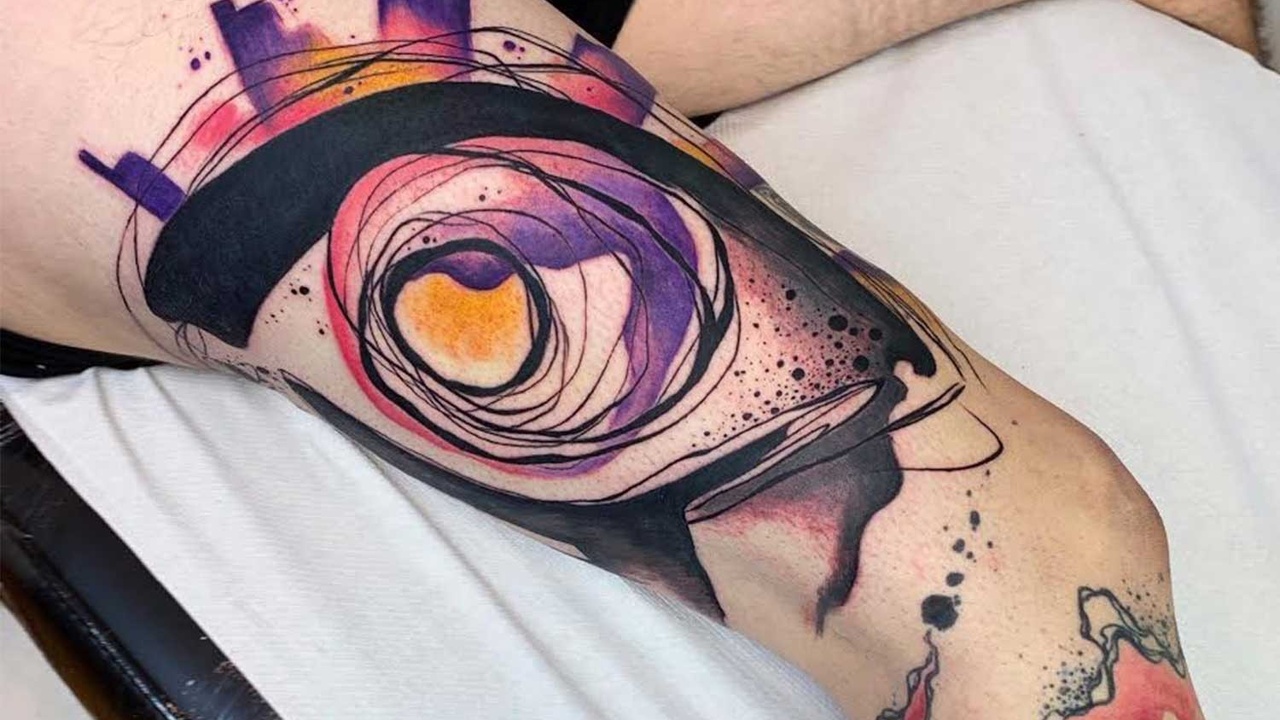
Watercolor Tattoo Style
A New Wave of Artistry: The Origins of the Watercolor Tattoo Style
To understand the Watercolor Tattoo Style, one must first appreciate that it is a truly modern invention, a product of the 21st century. Unlike styles with ancient roots, its origin is in modern European and American studios, born from the desire of a new generation of artists to break free from traditional tattoo conventions.
Inspired by Fine Art Pointillism and Abstract Art
The direct inspiration for this style comes not from the history of tattooing, but from the history of painting. Artists, many with a background in fine art, began to ask a simple question: “Is it possible to replicate the soft, translucent, and fluid qualities of a watercolour painting on skin?
- The Watercolour Aesthetic: Traditional watercolour painting is defined by its transparency. Pigments are suspended in water and applied to paper, allowing the whiteness of the paper to shine through, creating a luminous and airy effect. Colours bleed into one another, creating soft, organic gradients, and the process is often marked by spontaneous splashes and drips.
- The Technical Challenge: Translating this to the medium of skin, which is not white and does not absorb ink in the same way, was a monumental challenge. Early pioneers of the style began to experiment with new techniques, using advanced modern tattoo machines and a huge new spectrum of ink pigments to create the illusion of watercolour’s signature fluidity and transparency.
The Philosophy: Capturing Emotion Through Colour and Flow
The core philosophy of the Watercolor Tattoo Style is to capture a feeling rather than a perfect, literal representation. It is an emotional style. The focus is on the interplay of colour, the sense of movement created by the splashes and gradients, and the overall mood the piece evokes. It is a style that feels alive, spontaneous, and deeply expressive. This is why it has become so popular for subjects that are tied to nature and emotion, allowing the artist to capture the delicate essence of a flower or the dynamic spirit of an animal in a way that a more rigid, realistic style cannot.
Deconstructing the Aesthetic: The Key Features of the Watercolor Tattoo Style
The visual language of the Watercolor Tattoo Style is unique and instantly recognisable. It is defined by a specific set of style features that deliberately break the traditional rules of tattooing.
The Defining Element: Mimicking a Watercolour Painting
The primary goal is to mimic watercolor painting. An expert artist achieves this through several key techniques:
- Soft, Borderless Colour Washes: Instead of packing colour solidly into an area, the artist uses a soft shading technique to create washes of colour that appear translucent and layered.
- Fluid Gradients: The style is famous for its gradients, where one colour will seamlessly and softly bleed into another, just as it would on wet paper.2
- Splashes, Splatters, and Drips: To enhance the feeling of spontaneity and movement, artists will often add intentional splashes and splatters of colour that radiate outwards from the main subject, giving the piece a dynamic and energetic feel.
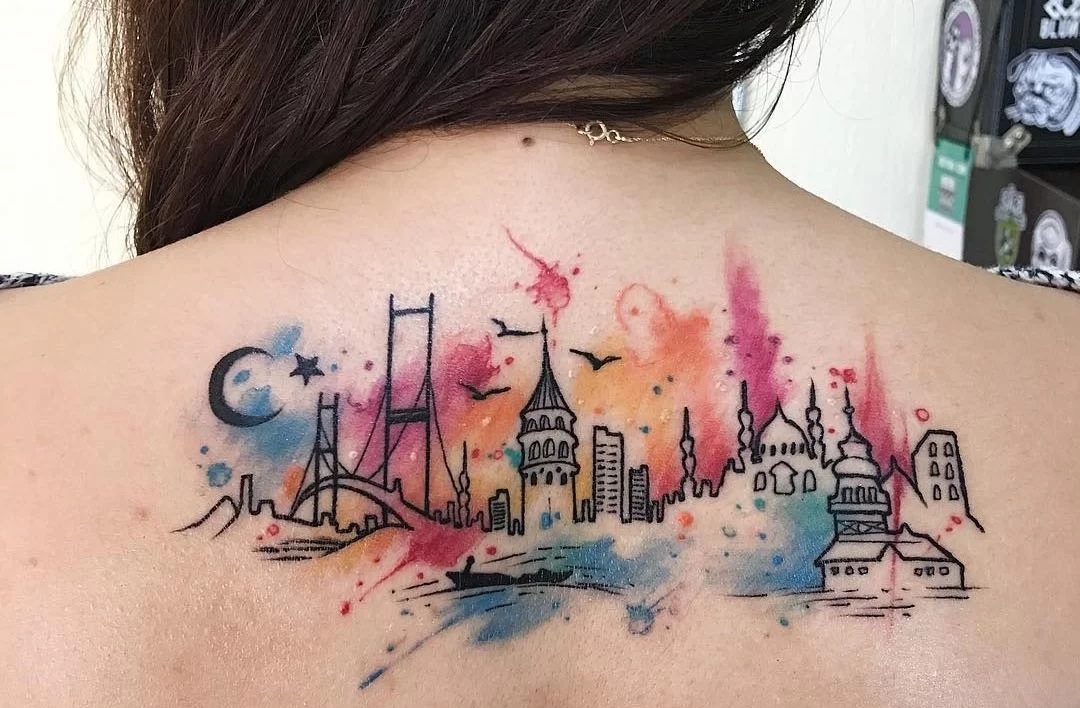
Watercolor Tattoo Style
The Radical Departure: An Absence of Strong Outlines
This is the most controversial and defining feature of the style. The pure form of the Watercolor Tattoo Style often has no strong outlines. While some designs may have a very fine, subtle linework base, many are created entirely from colour and shading. This is a radical departure from the foundational “Bold Will Hold” principle of traditional tattooing, which states that a strong black outline is necessary for a tattoo to remain readable over time. This lack of a heavy black “container” is what gives the style its soft, ethereal, and borderless quality, but it is also the source of the major debate surrounding its longevity.
The Longevity Debate: A Professional and Honest Perspective
This is the most important conversation to have about the Watercolor Tattoo Style. It has a reputation in some circles for aging poorly, with the beautiful, vibrant colours potentially fading into an unreadable, bruise-like blur over the years. An ethical and professional studio like PinkTatPier believes in being radically honest about this risk and, more importantly, in explaining how a true specialist mitigates it.
The “Bold Will Hold” Conflict
The traditional tattoo principle is based on a simple truth: over decades, as skin ages and is exposed to the sun, ink particles naturally spread. A bold black outline acts as a strong retaining wall, keeping the colours contained and the design’s silhouette clear. The fear is that a watercolor tattoo, with its soft edges and lack of a strong black structure, has nothing to hold it together. In the hands of an unskilled or inexperienced artist, this fear is entirely justified. A poorly executed watercolor tattoo will fade into an unreadable mess.
The Modern Specialist’s Solution: The “Structural” Watercolor Tattoo
This is the crucial difference between an amateur and an expert, and it is the foundation of our pinktatpier studio services for this style. A modern master of the Watercolor Tattoo Style understands the longevity issue and builds their designs to last. They do this by creating a subtle but powerful “structure” that acts as the tattoo’s skeleton.
- The Fine-Line Foundation: Often, the artist will begin with a very fine-line outline of the main subject, sometimes in a light grey or even a colour, rather than black. This line is so delicate that it becomes almost invisible once the colour washes are applied over it, but it provides the essential, permanent map for the design.
- The Black-Based Underpainting: Another advanced technique is to use a very light, soft layer of black and grey shading to create the core form and shadows of the subject first. The vibrant colours are then layered on top of this monochrome “underpainting.” This ensures that even if the bright colours soften over the decades, the core structure of the image, held by the more durable black ink, will remain.
When you choose a specialist for your watercolor tattoo, you are not just getting a beautiful design; you are investing in an artist who has the technical knowledge to build it to last.
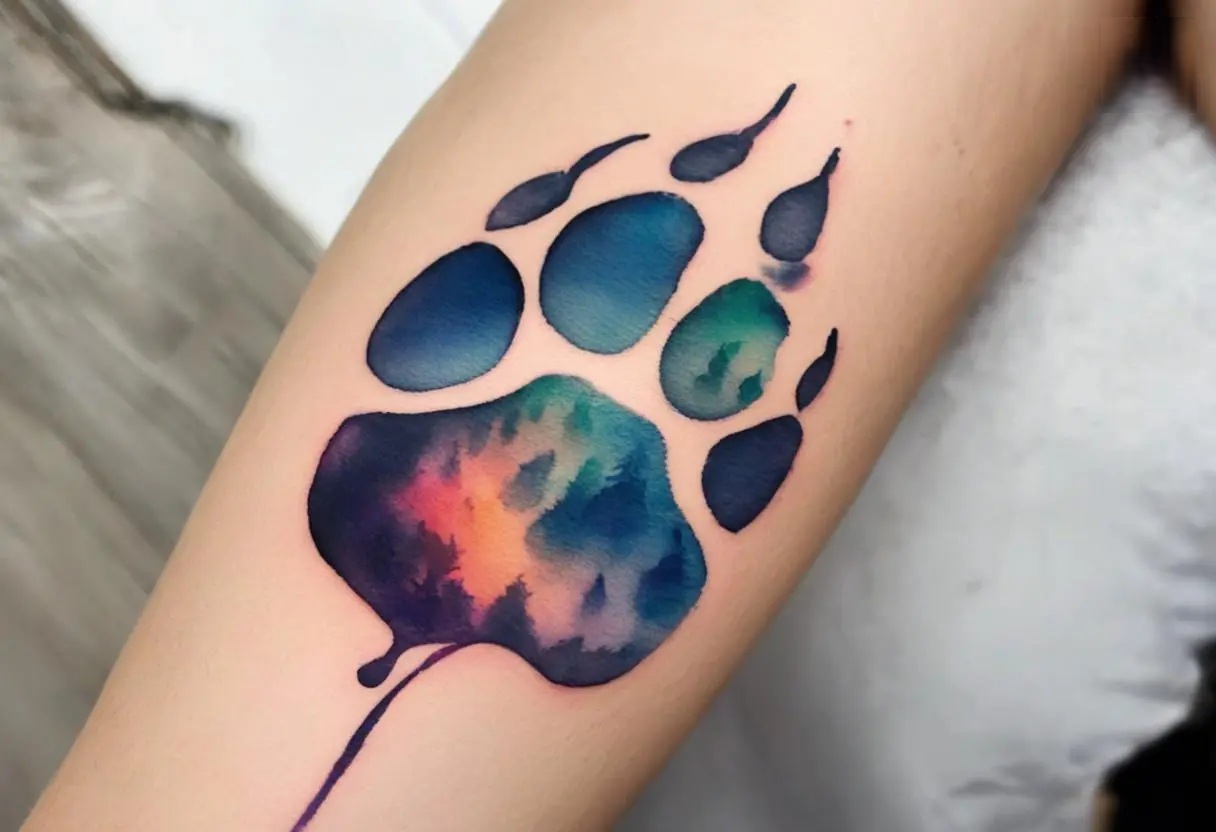
Watercolor Tattoo Style
| Aspect | Pros of the Watercolor Tattoo Style | Cons & Professional Considerations |
| Aesthetics | Unique, fluid, painterly, and incredibly vibrant and emotional. | Can look blurry or “messy” if not executed perfectly by a specialist. |
| Longevity | When done by a specialist with a subtle structure (linework or grey shading), it can age beautifully, softening like a true painting. | If done without any structure (purely colour washes), it has a very high risk of fading into an unreadable “bruise-like” patch over time. |
| Versatility | Can be applied to almost any subject matter, from animals and flowers to abstract forms. | Not suitable for cover-ups. The translucent nature of the style cannot hide an old, dark tattoo. It requires a clean canvas of skin. |
| Artist Skill | A true showcase of an artist’s mastery of colour theory, blending, and composition. | Requires an absolute specialist with a background in art. Not a style for a generalist or apprentice. |
A Canvas of Emotion: Common Motifs in Watercolor Tattoos
While the technique can be applied to anything, the fluid and expressive nature of the Watercolor Tattoo Style makes it particularly well-suited to certain common motifs.
The Natural World in Full Bloom: Animals and Flowers
This is the most popular subject matter for the style. The fluid, borderless technique is perfect for capturing the delicate, translucent petals of flowers like poppies, lilies, and lotuses. It is also ideal for capturing the dynamic movement and spirit of animals, particularly birds in flight, swimming fish, or majestic creatures like foxes and wolves, with the colour splashes suggesting their energy and motion.
The Power of Pure Emotion: Abstract Splashes
For those who want a piece that is pure art, the style can be used to create entirely abstract splashes of colour. This is a very modern and personal approach. The client and artist work together to choose a colour palette that represents a specific mood, feeling, or memory. The final tattoo is not a picture of something; it is the feeling itself, rendered in vibrant, flowing colour.
Words with a Wash: Lettering with Backgrounds
Another very popular trend is to combine the crispness of traditional lettering with the softness of a watercolor background. A meaningful quote, a name, or a single word is tattooed in a clean, classic font. The artist then adds a beautiful, vibrant watercolor wash or splash behind the lettering, giving the words an emotional energy and a dynamic, artistic context.
The Vibe & Placement: Creating a Vibrant and Artistic Statement
The unique combination of these elements creates a very specific and powerful overall vibe that appeals to a client who is looking for a tattoo that is a true piece of fine art.
The Feeling of Watercolor: Artistic, Emotional, Vibrant
The Watercolor Tattoo Style is, above all, artistic. Its direct connection to the world of painting gives it a sophisticated, high-art feel. It is deeply emotional, as its flowing, non-rigid nature is perfect for conveying feelings and moods. And it is incredibly vibrant. The way the colours are applied, often with a high degree of saturation that fades out to the skin, creates a luminous, brilliant effect that is truly eye-catching.
The Ideal Canvases: Best Placements for Watercolor Tattoo
To allow the colours, gradients, and splashes to have their full effect, the Watercolor Tattoo Style needs space to breathe.
- The Best Placements: For this reason, the best placement options are the larger, broader canvases of the body. The arm (forearm or upper arm), the thigh, and the back (especially the shoulder blade or down the spine) are the ideal locations. These areas provide the artist with enough space to create beautiful, flowing gradients and dynamic compositions without the design feeling cramped or cluttered.
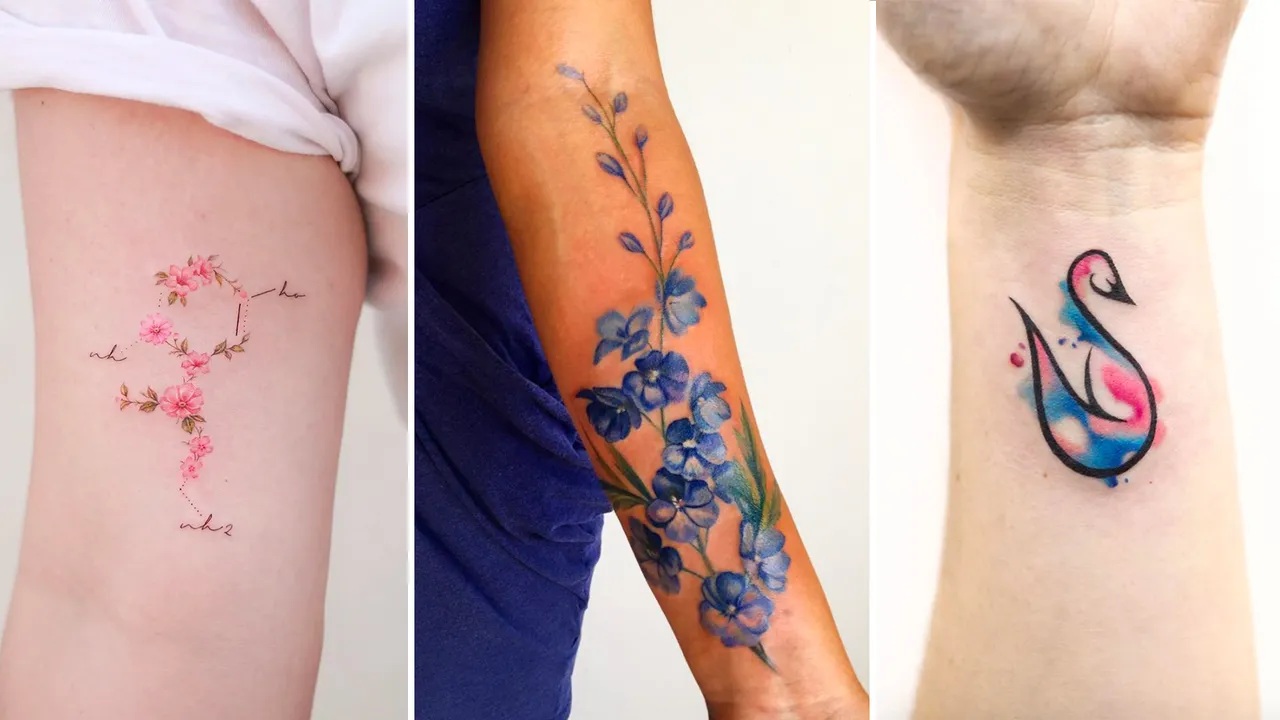
Watercolor Tattoo Style
The PinkTatPier Experience: Your Watercolor Tattoo Service in London
A perfect watercolor tattoo is a testament to the artist’s mastery of colour and composition. At PinkTatPier, our pinktatpier studio services include dedicated specialists in this beautiful and technically demanding art form.
Our Specialist Watercolor Artists
Our studio is a curated collective of artists, and our watercolor specialists often have a background in fine art painting. They are true masters of colour theory, understanding how to blend pigments on the skin to create the perfect hue, and how to compose a design with a sense of movement and life. They are also experts in the “structural” approach, ensuring your beautiful, fluid tattoo is built on a foundation that will last a lifetime.
The Custom Design Consultation: A Collaborative Painting Session
Your journey begins with an in-depth, collaborative consultation. A Watercolor Tattoo Style piece is often a very personal and emotional choice. Our artist will work with you to create a completely original composition, discussing the colour palette that best represents your story and the dynamic flow that will work most beautifully with your body.
Frequently Asked Questions (FAQ)
1. Will my watercolor tattoo really fade into an unreadable blob?
It can, if it is performed by an inexperienced artist who does not build in a proper structure. A “pure” watercolor tattoo with no black or grey foundation has a high risk of fading and blurring over many years. However, a modern specialist will use a subtle fine-line or grey-shade structure to anchor the design, ensuring it will age beautifully and retain its form for a lifetime.
2. Does a watercolor tattoo hurt more or less than a regular tattoo?
Generally, most clients report that it hurts less. The style relies on soft shading and a lighter hand, with less dense and heavy packing of ink compared to a style like American Traditional. The sensation is often described as being less aggressive and more like a painter’s brush.
3. Can you get a watercolor tattoo in just black and grey?
Yes, absolutely. A “grey wash” tattoo uses the same fluid, painterly techniques as a colour watercolor piece, but with only black and grey tones.4 This can create a beautiful, soft, and smoky effect, like a charcoal drawing or an ink wash painting.
4. How much does a watercolor tattoo cost?
The cost of any tattoo is based on the time it takes to complete. The Watercolor Tattoo Style is a specialist service that requires an artist with a high level of skill in colour theory and blending.5 The price will reflect this expertise and is comparable to other high-end, art-focused styles like realism.
5. Is this style a good choice for a cover-up tattoo?
Absolutely not. The Watercolor Tattoo Style is defined by its soft, translucent quality. It does not have the opacity or the powerful black outlines needed to effectively cover an old, existing tattoo. It requires a clean canvas of un-tattooed skin to achieve its signature luminous effect.
Conclusion
The Watercolor Tattoo Style is a stunning and expressive art form, a way to wear a piece of art that feels as fluid, dynamic, and full of life as a real painting. It is a choice for the individual who values artistry, emotion, and a vibrant, contemporary aesthetic. While its execution demands the hand of a true specialist who understands how to build a beautiful design that is made to last, the result is a breathtaking and uniquely personal masterpiece.