
A Guide to Buying Titanium Piercing Jewellery in London: The 2025 Standard

In the world of body piercing, a successful and beautiful outcome is the result of a trinity of factors: a skilled piercer, a diligent aftercare routine, and, crucially, the quality of the jewellery worn in the body. The first two elements are about process; the third is about the permanent object you choose to live with. In a city as style-conscious and diverse as London, the quest for the perfect piece of jewellery can be both exciting and incredibly confusing.
While solid gold holds a timeless allure, there is one material that stands above all others in the professional piercing industry for its unparalleled combination of safety, versatility, and value: titanium. Yet, as its popularity has soared, the market has been flooded with counterfeits, misleading labels, and low-grade imitations. The word “titanium” is now used so loosely on online marketplaces and in high-street shops that it has almost lost its meaning.
This is your definitive, expert guide to navigating this landscape. We will go beyond the surface to demystify this incredible material and show you exactly how to find and purchase genuine, high-quality titanium piercing jewellery in London. This is not just a shopping guide; it is an education in material science and consumer protection. We will explain what “implant-grade” truly means, teach you how to spot the dangerous impostors, and clarify why a professional piercing studio is the only source you can truly trust.
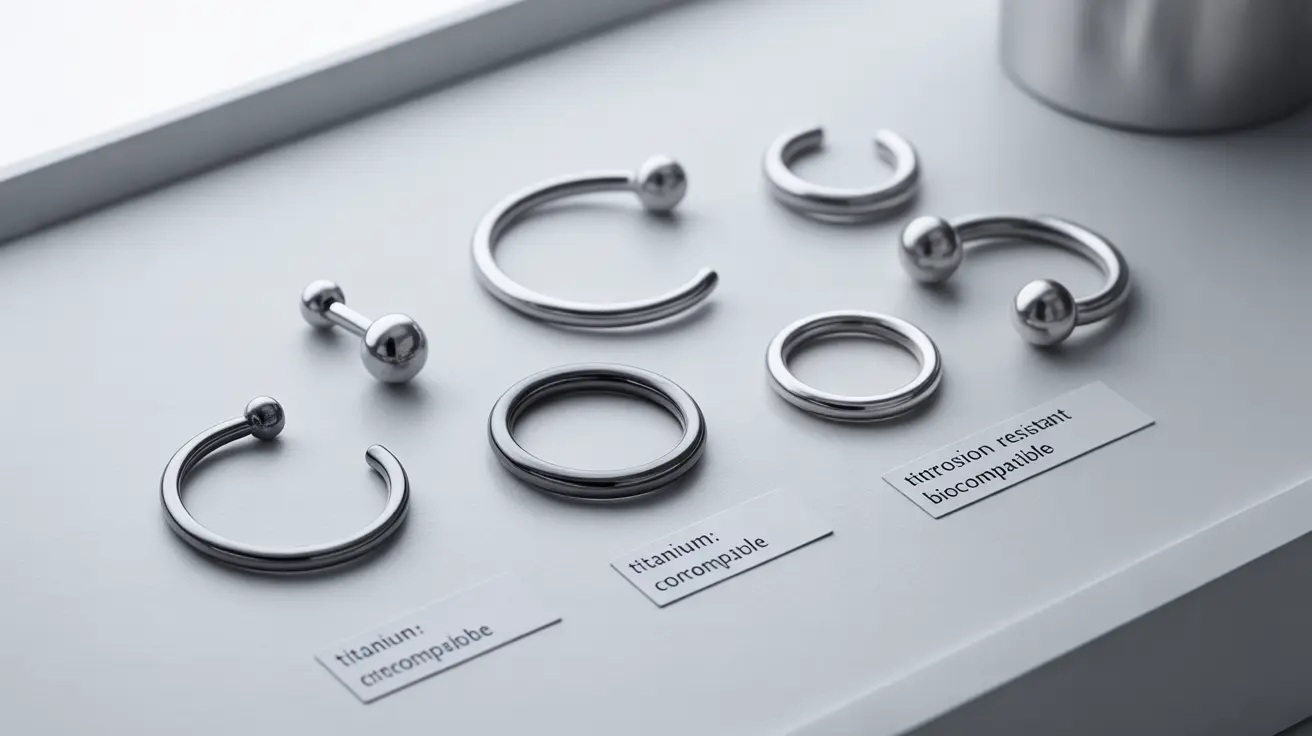
titanium piercing jewellery
Why Titanium? The Unbeatable Benefits of the Professional’s Choice
Before you can appreciate the importance of sourcing genuine titanium, you must understand why it has become the undisputed gold standard for initial and long-term piercings in the global professional community. Its superiority is not a matter of opinion, but of scientific fact.
1. Unmatched Biocompatibility: The Safest Choice for Your Body
This is the most important quality of any material worn inside the body. Biocompatibility is a medical term that means the material is not harmful or toxic to living tissue and, crucially, will not provoke a response from the immune system.1 Titanium’s biocompatibility is so high that it is the primary material used for surgical implants inside the human body, such as bone pins, joint replacements, and dental screws. Your body accepts it as if it were a part of itself.
- The Hypoallergenic Advantage: The primary reason for this is that implant-grade titanium is virtually nickel-free.2 Nickel is one of the most common contact allergens in the world, and a reaction to it in a new piercing can be disastrous, causing intense itching, swelling, weeping, and potentially triggering a lifelong sensitivity.3 By choosing genuine implant-grade titanium, you are eliminating this significant risk, making it the safest possible choice for anyone, but especially for those with sensitive skin. The search for titanium piercing jewellery in London is, at its core, a search for this guaranteed safety.
2. The ASTM F-136 Standard: A Verifiable Mark of Quality
The professional piercing industry does not use just any titanium.4 We exclusively use and recommend titanium that has been certified to meet a specific standard: ASTM F-136. This is a designation from the American Society for Testing and Materials that specifies the exact alloy composition, microstructure, and finish required for metal to be used in surgical implantation.5 It is a legal, verifiable, and globally recognised standard. This is not a marketing term; it is a medical-grade specification. When you buy certified ASTM F-136 titanium, you are buying a guarantee of purity and safety.
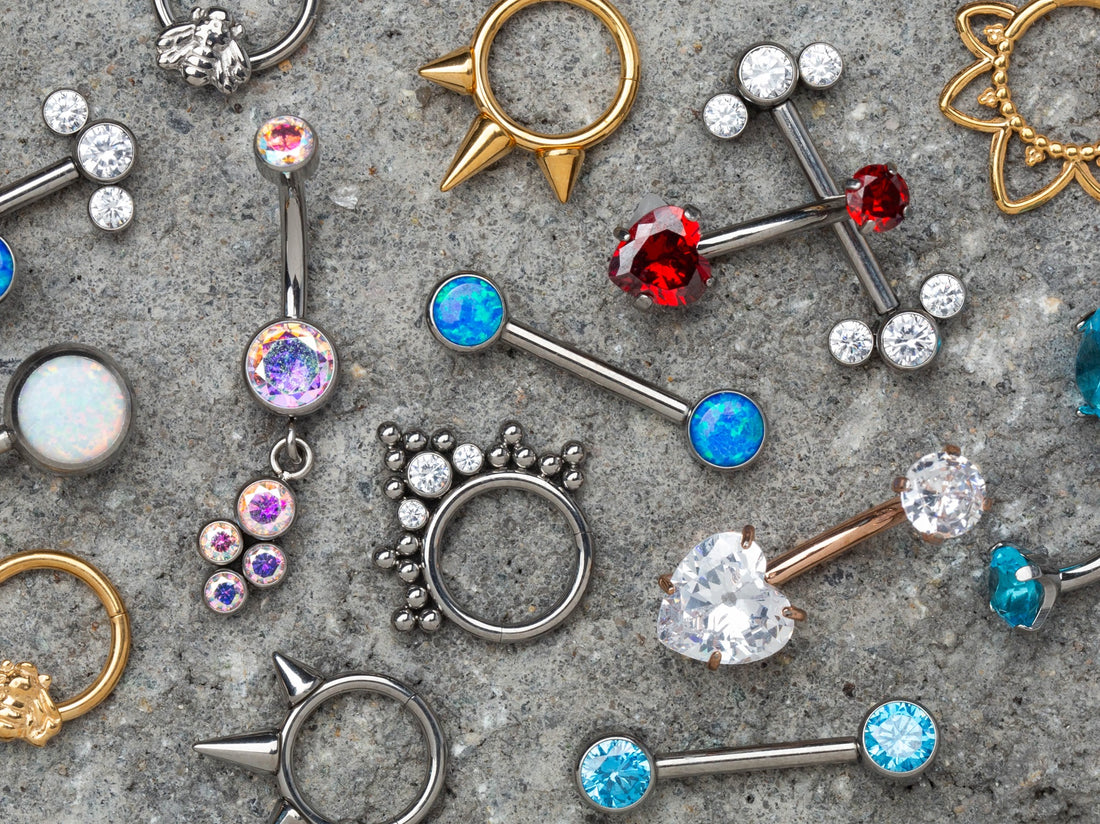
titanium piercing jewellery
3. Strength and Lightweight Comfort
Titanium has an incredible strength-to-weight ratio. It is as strong as steel but is approximately 45% lighter. This has profound benefits for body jewellery, especially in larger pieces or sensitive areas.
- For Large Gauge Piercings: In stretched lobes or large-gauge septum piercings, the reduced weight of titanium jewellery puts significantly less stress on the tissue, preventing the unwanted stretching or “cheesewire effect” that can occur with heavier materials.
- For Delicate Placements: Even in a simple nostril or helix piercing, the lightweight nature of titanium means less movement and less pressure on the healing fistula, leading to a more comfortable experience and a smoother healing process.
4. The Magic of Anodisation: A Rainbow of Safe Colour
This is one of titanium’s most exciting and unique properties, and a key reason for its popularity. Unlike other metals that require unsafe plating to achieve different colours, titanium can be coloured using a safe electrochemical process called anodisation.
- The Science: Anodisation does not add any paint, dye, or coating to the jewellery. Instead, the titanium is submerged in a conductive solution, and a carefully controlled electrical current is passed through it. This process changes the thickness of the natural, transparent oxide layer on the metal’s surface. Different voltages create different thicknesses, and these different thicknesses refract light in different ways, which our eyes perceive as a vibrant spectrum of colour.
- The Benefits for You:
- 100% Body-Safe: Because nothing is added, the surface of the jewellery remains pure, biocompatible titanium.
- A Spectrum of Choice: We can achieve a huge range of colours, from bronze, purple, and bright blue to, most popularly, rich yellow gold and warm rose gold tones.6
- The Ultimate Budget Hack: Anodisation allows you to achieve the beautiful, warm aesthetic of solid gold for your initial piercing at a fraction of the cost. A basic titanium labret stud can be anodised to a stunning gold colour for a very small fee (typically just £5-£10), making a high-end look accessible to everyone. This is one of the greatest advantages when buying titanium piercing jewellery in London on a budget.
The Great Impostor: How to Spot Fake vs. Real Titanium Jewellery
The biggest challenge for a consumer is distinguishing between genuine, implant-grade titanium and the countless low-grade imitations that have flooded the market. Here’s what you need to know to protect yourself.
Decoding the Misleading Labels: “Surgical Steel,” “Titanium Steel,” and “Coated”
- “Surgical Steel”: As detailed in our other guides, this is a vague, unregulated marketing term for low-grade steel alloys that almost always contain high levels of nickel. It has no place in a healing piercing. Genuine titanium is a completely different element.
- “Titanium Steel” or “Titanium Alloy”: These are deliberately confusing terms you will often see on online marketplaces. They are designed to make you think you are buying titanium. In reality, they are almost always just steel. It’s a bait-and-switch tactic.
- “Titanium Coated” or “Titanium PVD”: This means the jewellery has a microscopic layer of titanium colour coated over a cheap mystery base metal (again, usually steel). This coating is not permanent. It will inevitably chip, flake, and wear away, exposing your skin to the irritating metal underneath. This is the exact opposite of safe, solid, implant-grade titanium.
Can You Spot the Difference Physically? It’s Almost Impossible
While there are some clues, it is incredibly difficult for a consumer to reliably identify genuine titanium by sight or touch alone.
- Weight: Genuine titanium is noticeably lighter than steel.7 If you hold a steel barbell in one hand and a titanium one of the exact same size in the other, the steel will feel significantly heavier. However, for a small stud, this difference can be almost imperceptible.
- Magnetism: Titanium is not magnetic.8 You can use a strong magnet to test a piece. If it sticks, it is definitely steel. However, many grades of stainless steel are also not magnetic, so this is not a foolproof test.
- Price: This is the most reliable indicator for a consumer. Genuine, certified implant-grade titanium has a baseline cost due to the purity of the material and the precision manufacturing process. If you see a piece of “titanium” jewellery for sale for under £10, you can be almost 100% certain it is a low-grade impostor. It is simply not possible to produce and sell the real thing at that price point.
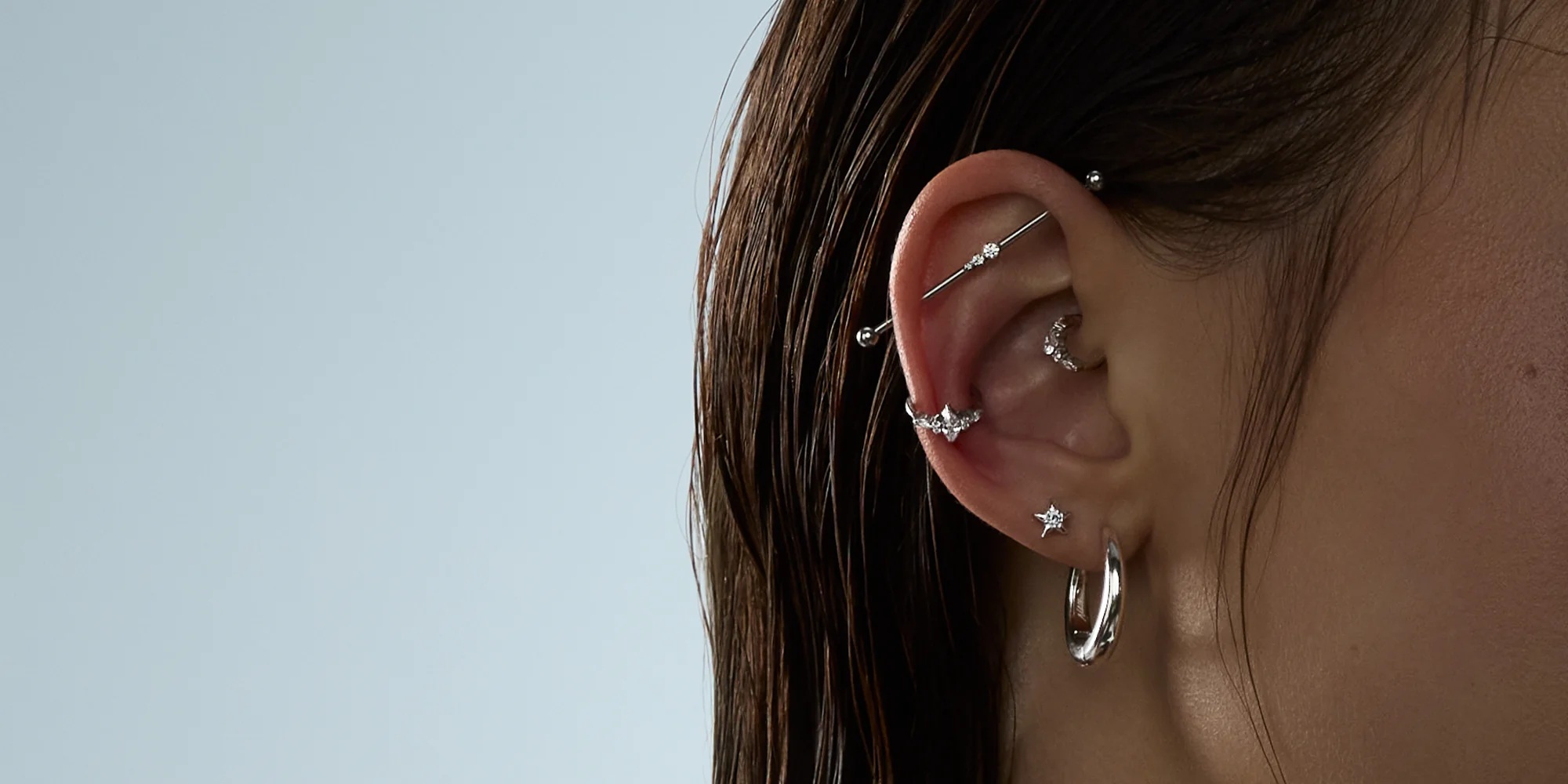
titanium piercing jewellery
The Definitive Guide: Where to Buy Genuine Titanium Piercing Jewellery in London
You now have the technical knowledge to identify a quality piece of jewellery. But where, in a city of thousands of shops, do you actually find it?
The Only Truly Reliable Source: Professional, Dedicated Piercing Studios
The answer is simple, and it is the most important piece of advice in this entire guide: the only place to reliably find and purchase genuine titanium piercing jewellery in London is at a reputable, professional piercing studio. These studios are not just service providers; they are expert curators and the guardians of industry standards.
- Expert Sourcing and Vetting: A top-tier studio has already done all the hard work for you. They have spent years researching, vetting, and building relationships with the world’s best and safest jewellery manufacturers (brands like Anatometal, Industrial Strength, LeRoi, and others). They only stock brands that can provide verifiable material certificates (mill certs) for their metals, proving they are ASTM F-136 compliant.
- A Guarantee of Quality: When you walk into a reputable studio, you can have complete confidence that every single piece of titanium in their display case meets the highest standards of safety. They have staked their professional reputation on it.
- Expert Fitting is Non-Negotiable: This is a crucial point. A piercing is not a standard size. The length of a labret post or the diameter of a ring must be perfectly fitted to your unique anatomy. A piece that is too short can embed in the skin; one that is too long will snag and cause irritation. Only a professional piercer has the tools and experience to measure you correctly and fit the jewellery perfectly. Buying online, even if the material is genuine, is a gamble on the fit.
- Professional Installation: A professional piercer will use a sterile insertion taper to install your new jewellery, ensuring the process is smooth and trauma-free, especially for unhealed piercings.
The Pitfalls of Every Other Retailer
- High-Street Fashion Chains: Shops like Claire’s, Lovisa, or other accessory stores are in the business of fast fashion, not long-term biocompatibility. Their staff are retail workers, not trained piercers. The jewellery they sell is designed for temporary wear in fully healed lobes, and is completely unsuitable for any new piercingor for 24/7 wear.
- Online Marketplaces (Amazon, Etsy, eBay, etc.): These platforms are the wild west of body jewellery. They are saturated with counterfeit products, drop-shipped low-quality items, and sellers who use false and misleading advertising. There is absolutely no quality control and no way for you to verify that the piece you receive is what was advertised. It is the most high-risk way to purchase jewellery.
- Tattoo/Piercing Supply Websites: Many online suppliers sell to the public, but they often carry a huge range of products, from cheap, low-grade junk to high-end professional pieces. Navigating these sites without the expert knowledge to distinguish between the two is incredibly risky.
Frequently Asked Questions (FAQ)
1. Is anodised titanium safe for a brand new, fresh piercing?
Yes, it is 100% safe. Because anodisation is a process that changes the surface of the titanium itself and does not add any coating or paint, the jewellery remains pure, biocompatible implant-grade titanium.9 You can be pierced with a gold-anodised piece with complete confidence.
2. I have a severe nickel allergy. Is titanium really better for me than solid gold?
For extreme sensitivities, titanium is often considered the absolute safest choice. While high-quality solid gold from a reputable brand is specifically alloyed to be nickel-free, titanium is an elemental metal and is inherently purer. It carries the lowest possible risk of any reaction.
3. How much should I expect to pay for a basic piece of high-quality titanium piercing jewellery in London?
In a professional London studio in 2025, you should expect to pay between £25 and £40 for a basic, implant-grade titanium piece (like a labret stud with a ball end or a simple ring). More decorative ends with synthetic gems will typically range from £35 to £70.
4. Can I bring my own titanium jewellery that I bought online to your studio to be sterilised and fitted?
For your safety, we (and all other reputable studios) have a strict policy against installing jewellery from outside sources. We cannot verify its material composition, the quality of its surface polish, or whether it will survive the high temperatures of the autoclave process. We can only guarantee the safety and quality of the jewellery that we source ourselves from our trusted suppliers.
5. How can I tell if the jewellery I’m already wearing is real titanium?
It’s very difficult to be 100% certain without professional testing. The best clue is its weight—titanium feels significantly lighter than steel.10 If you have a piece of steel jewellery of a similar size, you can often feel the difference. However, the best way to know for sure is to bring it to a professional studio. An experienced piercer can often identify a quality piece by its weight, finish, and the manufacturer’s markings.
6. I’ve seen “G23 Titanium” mentioned online. Is that the same as implant-grade?
No, and this is a common point of confusion. “Grade 23” is a broader industrial classification for this titanium alloy. ASTM F-136 is the specific designation that certifies it has been manufactured, finished, and tested for the specific purpose of human surgical implantation. While G23 is the correct alloy, only jewellery that is explicitly certified as ASTM F-136 meets the professional standard.
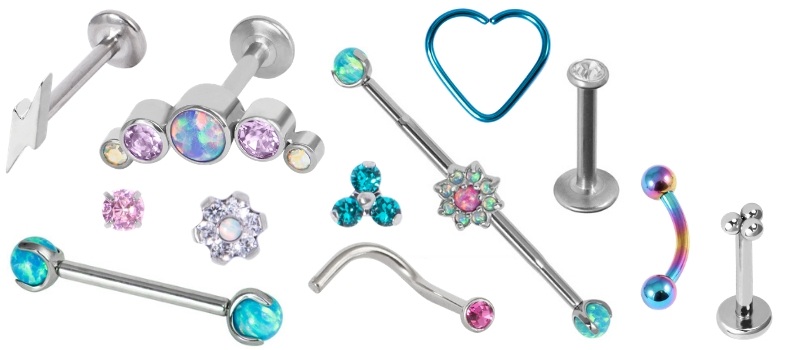
titanium piercing jewellery
Conclusion
In the pursuit of personal style, your health and safety must always come first. Titanium offers the perfect synergy of safety, beauty, and value, making it the ideal material for any piercing enthusiast. However, its true benefits can only be realised when you invest in the genuine, certified implant-grade article.
The path to acquiring authentic titanium piercing jewellery in London is clear. It leads away from the uncertainties of the internet and the compromises of the high street, and directly to the door of a professional, reputable piercingstudio. Here, you are not just buying a piece of metal; you are investing in the expertise of a professional who can guarantee its quality, fit it perfectly to your anatomy, and ensure it is installed with the highest standards of safety.