
Halal or Islamic Tattoos: Exploring Different Views and Alternatives

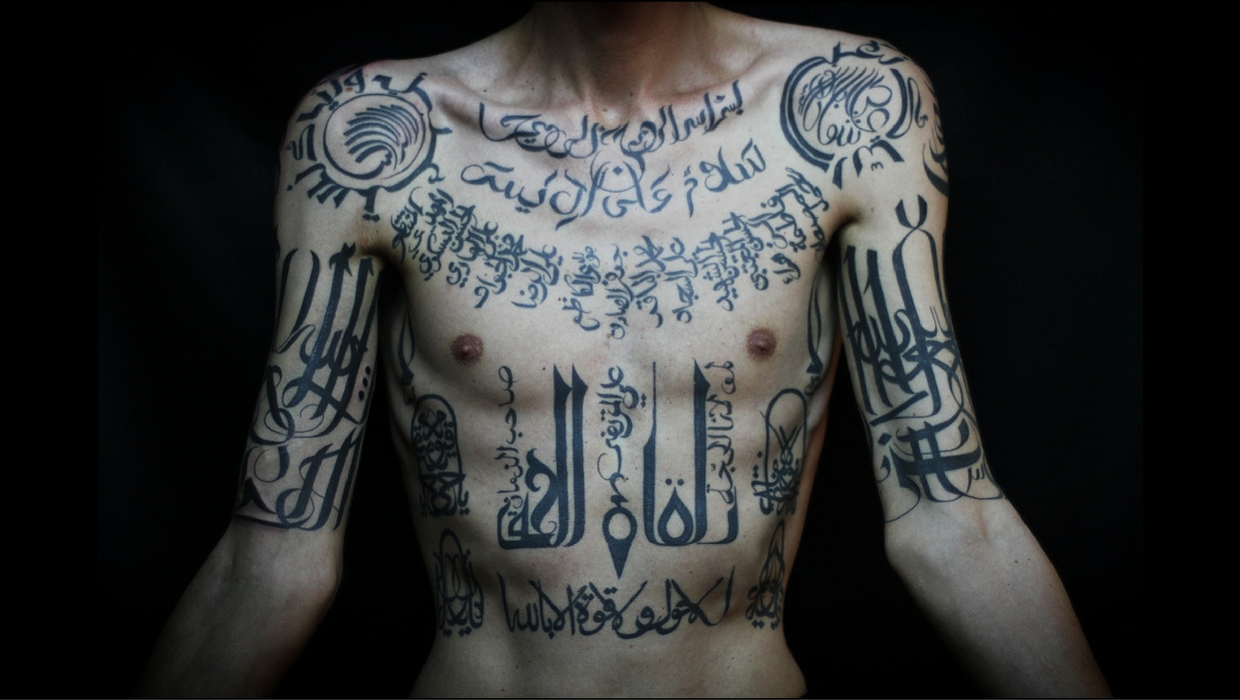
In today’s world, where the expression of individual identity and personal aesthetics often intertwines with religious and cultural beliefs, the question of whether tattoos are permissible (halal) or forbidden (haram) has become a significant topic of discussion among Muslims globally. On one hand, tattooing is viewed as a powerful art form and a method of self-expression. On the other, there are sincere religious and jurisprudential concerns about its permissibility. This guide provides a comprehensive, balanced examination of the complex question: can a tattoo be considered a Halal or Islamic Tattoos?
This article does not intend to issue a religious edict (fatwa) or to favour one viewpoint over another. Our goal at PinkTatPier, as professional artists who respect the art of the body as well as the beliefs of our clients, is to provide a comprehensive, impartial, and respectful examination of the different scholarly opinions, the reasoning behind them, and the various alternatives available. We believe that an informed decision is the best decision, and this guide has been prepared to assist you on your journey of understanding the concept of an Islamic tattoo.
The Traditional Viewpoint: Why Tattoos Are Often Considered Haram in Islam
The perspective that deems tattoos to be forbidden is deeply rooted in specific prophetic traditions (hadith), interpretations of the Qur’an, and established principles of Islamic jurisprudence (fiqh). This viewpoint, which often precludes the concept of a permanent Islamic tattoo, is based on several key arguments.
Halal or Islamic Tattoos
1. The Hadith Cursing the “Washimah” (The One Who Tattoos)
The most significant and direct piece of evidence cited for the prohibition of tattoos is a famous hadith from the Prophet Muhammad (peace be upon him), which is narrated in the most authentic hadith collections, such as Sahih al-Bukhari and Sahih Muslim. The hadith states:
“Allah has cursed the women who practice tattooing and those who get themselves tattooed…” (Sahih al-Bukhari).
Interpretation and Analysis:
Many traditional scholars view this hadith as a clear and definitive prohibition. From their perspective, a “curse” (la’nah) from God upon an act indicates that it is a major sin. They believe this hadith, without any conditions, declares the act of tattooing itself to be forbidden. Proponents of this view see the text as unequivocal, applying to any form of permanent tattooing.
2. Altering the Creation of God (Taghyir Khalq Allah)
The second major argument is based on a Qur’anic concept known as taghyir khalq Allah (altering the creation of God). In Surah An-Nisa, verse 4:119, the Qur’an quotes Satan as vowing to mislead humanity:
“…and I will command them so they will alter the creation of Allah.”
Interpretation and Analysis:
Scholars who prohibit tattoos argue that a permanent tattoo is a clear example of taghyir khalq Allah. From this viewpoint, the human body is a divine trust (amanah), and making permanent, non-necessary changes to it for purely cosmetic reasons is seen as an expression of dissatisfaction with God’s creation. This perspective generally condemns any permanent alteration to the body that is not for a legitimate medical purpose.
3. Causing Unnecessary Harm to the Body
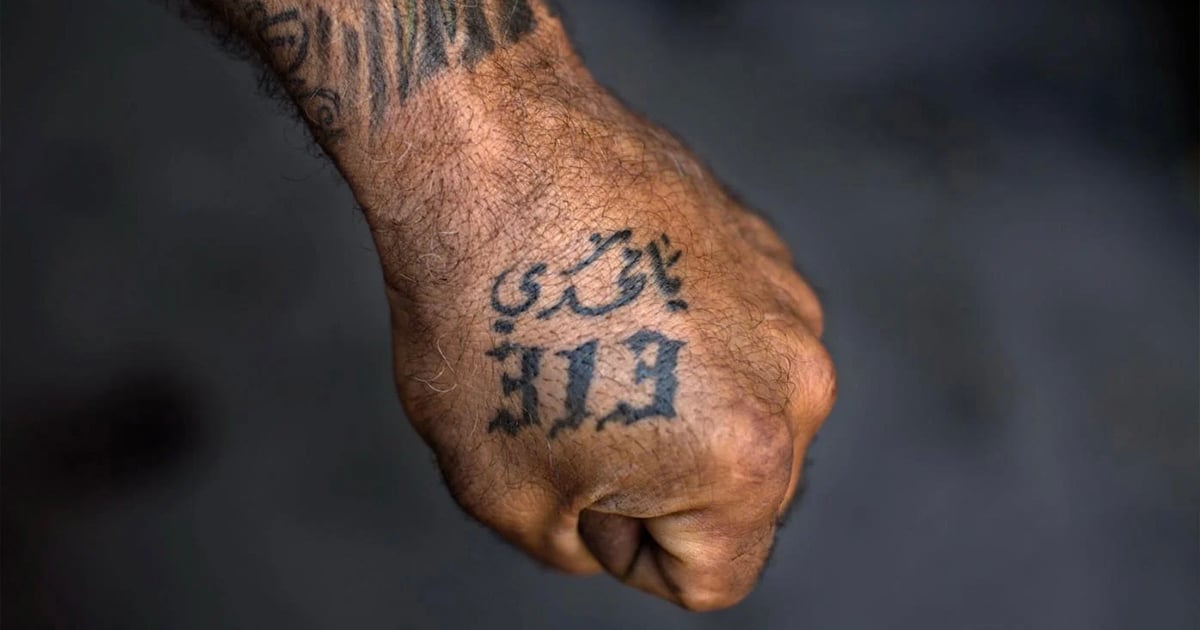
Another principle in Islamic jurisprudence is the prohibition of causing unnecessary harm to oneself. The tattooing process is inherently painful and, if performed unhygienically, carries the risk of infection and skin diseases. Some jurists, citing this principle, argue that enduring pain and accepting health risks for a non-essential, purely decorative act is not permissible.
Halal or Islamic Tattoos
4. An Obstacle to Ablution (Wudu): A Common but Incorrect Assumption
A very common concern is that a tattoo creates a waterproof layer on the skin, preventing water from reaching it during the ritual ablutions required for prayer (wudu).
The Response of the Majority of Jurists: This assumption is incorrect. There is a near-unanimous consensus among both Sunni and Shia scholars that because tattoo ink is deposited under the skin (in the dermal layer), it does not create a physical barrier. Therefore, water reaches the skin’s surface without obstruction, and an existing tattoo is not considered an impediment to the validity of wudu or ghusl.
Contemporary Views: Can an Islamic Tattoo Be Permissible?
In contrast to the traditional viewpoint, some contemporary scholars and modern religious thinkers have offered different interpretations. These interpretations open a dialogue on the possibility of a modern Islamic tattoo under specific conditions.
1. A Historical and Contextual Interpretation of the Hadith
This group of scholars argues that the hadith about tattooing must be understood in its historical and cultural context. In the pre-Islamic era (Jahiliyyah), tattooing was often associated with pagan rituals, superstitious beliefs, or tribal markings linked to idolatry. From this perspective, the Prophet’s curse may have been directed at the polytheistic intentions behind the practice at that time, rather than the physical act itself. Therefore, if a modern tattoo is created with purely artistic intentions and contains no forbidden content, it might not fall under the scope of this specific hadith.
2. A Re-examination of the “Altering Creation” Concept
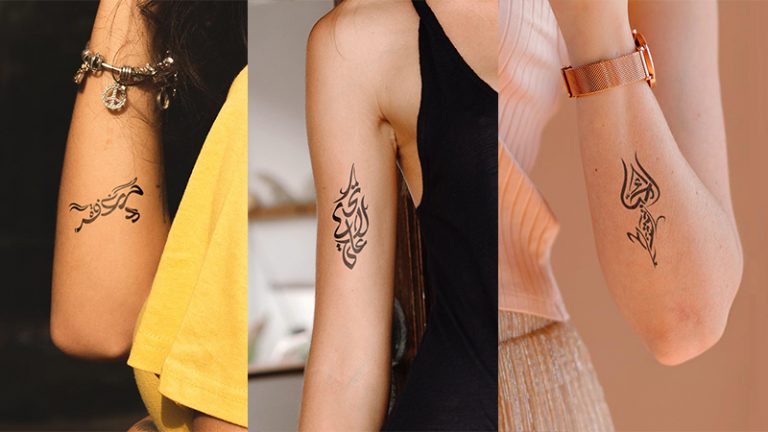
Proponents of this view argue that if every alteration to the body were forbidden, then common and accepted practices such as cutting one’s hair, piercing ears for earrings, and even wearing makeup would also have to be considered haram. This group contends that the prohibited form of alteration is that which is done in rebellion against God, not alterations done for socially acceptable forms of beauty.
Halal or Islamic Tattoos
3. The Rulings of Some Contemporary Scholars
Among contemporary jurists, there are varying opinions. For example, Grand Ayatollah Sistani (a major Shia source of emulation) does not consider tattoos to be intrinsically haram, on the condition that the content is not obscene or does not promote disbelief. Some Sunni scholars have also expressed nuanced views, suggesting that while best avoided, a tattoo does not automatically make a person a sinner, especially if its content is not un-Islamic. These views are central to the modern conversation about the Halal or Islamic Tattoos.
What is a “Halal Tattoo”? Examining Modern and Traditional Alternatives
Given these jurisprudential differences, many individuals seek alternatives that are both beautiful and free from any religious ambiguity. The search for a truly halal tattoo has led to the popularity of several temporary options.
Table: A Comparison of Tattoo Alternatives
| Alternative | How It Works | Longevity | Islamic Ruling | Pros & Cons |
| Henna | Stains the top layer of the skin (epidermis) with a plant-based paste. | 1 to 3 weeks | Permissible (Halal) | Pros: Completely temporary, natural, painless, rich cultural tradition. Cons: Limited colour palette, best for fine-line work. |
| Temporary Tattoos | A sticker-like transfer that sits on top of the skin. | A few days | Permissible (but forms a layer and must be removed for wudu) | Pros: Very inexpensive, huge variety of designs, painless. Cons: Very short lifespan, can look unnatural. |
| Jagua Ink | A plant-based gel that stains the skin a dark blue/black colour. | 1 to 2 weeks | Permissible | Pros: Creates a look very similar to a real black tattoo, natural. Cons: Potential for skin allergies in some individuals. |
| “Halal” Ink Tattoos | Claims of “breathable” or “water-permeable” semi-permanent ink. | 6 months – 2 years | Disputed & Not Widely Accepted | Pros: Lasts longer than henna. Cons: Still a painful procedure, religious permissibility is highly debated, may not fade completely. |
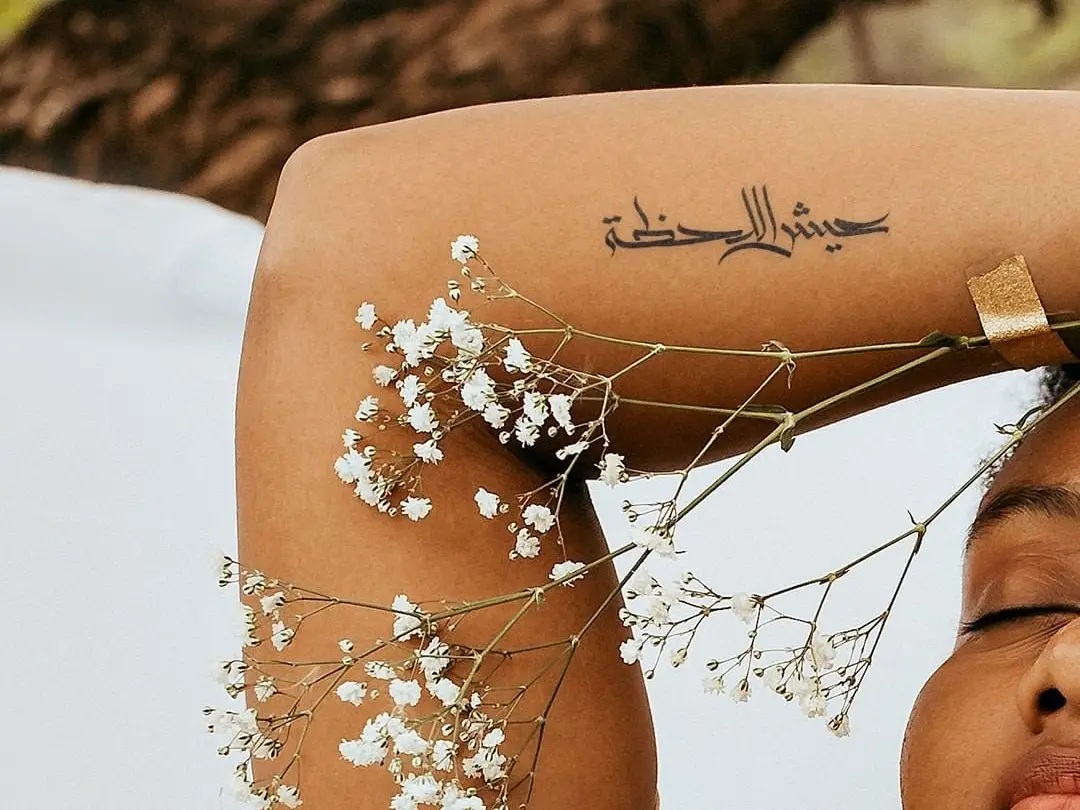
The concept of a “halal tattoo” most reliably refers to temporary stains like henna, which are universally accepted. Newer, semi-permanent products claiming their ink is “breathable” have not been widely accepted by mainstream scholarly bodies, and their claims should be approached with caution.
Halal or Islamic Tattoos
Halal or Islamic Tattoos
Your 5 Key Questions About Tattoos and Islam (FAQ)
1. Is having a tattoo from before I became a practicing Muslim a sin?
There is a near-unanimous consensus among scholars that one’s actions before converting to Islam or becoming religiously observant are forgiven. You are not required to remove your old tattoos, especially if the removal process is costly or painful.
2. Is it religiously obligatory for me to remove my tattoos?
No. Even scholars who consider getting a tattoo to be forbidden do not typically rule that its removal is obligatory. The process of laser tattoo removal is painful and expensive, and Islam opposes placing undue hardship on its followers.
3. Can I pray and perform other acts of worship if I have a tattoo?
Yes. As established earlier, a permanent tattoo does not create a barrier to water for wudu and ghusl. Therefore, your ritual purity is valid, and your prayers and other acts of worship are perfectly acceptable.
4. Is there such a thing as a permanent, certified “halal tattoo” ink?
Currently, no. There is no permanent tattoo ink that is universally certified as “Halal or Islamic Tattoos” by all major Islamic scholarly bodies. While some companies may market their inks as such, these are typically not based on a broad religious consensus. The core objections (altering creation, the hadith) would still apply for many scholars, regardless of the ink’s composition.
5. Ultimately, with so many different opinions, how should I decide?
This is a deeply personal decision related to your faith. The best approach is to:
- Conduct Research: Study the different scholarly opinions and the evidence each one presents.
- Consult a Trusted Scholar: If you follow a particular school of thought or scholar, seek their specific guidance.
- Reflect on Your Intention: In the end, this is a matter between you and God. Make a decision that brings you peace of mind and spiritual comfort.
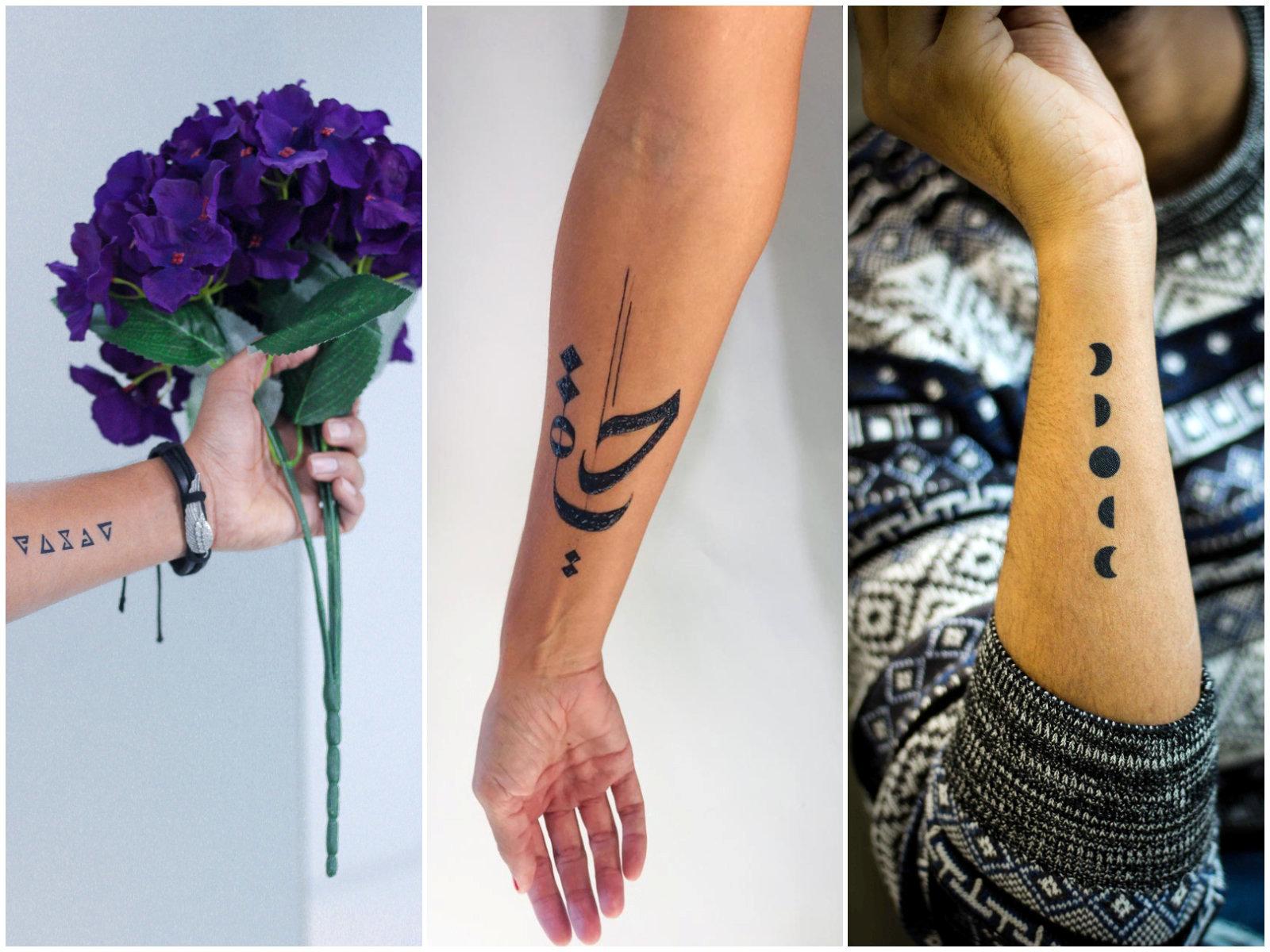
Halal or Islamic Tattoos
Conclusion: A Personal and Informed Decision
As we have explored, the topic of the halal tattoo or Islamic tattoo is a complex and multi-layered issue with no simple, black-and-white answer. The jurisprudential views range from definitive prohibition to conditional permissibility, with each perspective being based on its own valid interpretations of religious texts.
At our studio, PinkTatPier in London, we respect the beliefs and values of all our clients, from every faith and cultural background. Our role as professional artists is to provide our craft with the highest standards of quality and safety, while fostering an environment of open, honest, and non-judgmental dialogue. We believe that body art should be a source of joy and empowerment.
Ultimately, the decision to get a tattoo is a personal choice that should be made based on thorough research, consultation, and one’s own conscience. We hope this comprehensive guide has provided you with the information necessary to take an informed step on your personal journey.