
Tattoo Ink Allergy: Symptoms, Risks, and Prevention Strategies

You’ve finally decided to get that dream tattoo, envisioning a bold design that tells your story. But as the excitement builds, a worry creeps in: what if your skin reacts to the ink? Tattoo ink allergies, though rare, can turn your artistic vision into an itchy, uncomfortable ordeal if you’re not prepared. At pinktatpier, our London-based studio, we’ve guided countless clients through safe tattoo experiences, ensuring their ink not only looks stunning but feels good too. This comprehensive 2500-word guide, packed with insights from our expert team and the latest 2025 research, dives into tattoo ink allergy symptoms, risks, and proven prevention strategies. Learn how to protect your skin and embrace your tattoo with confidence.
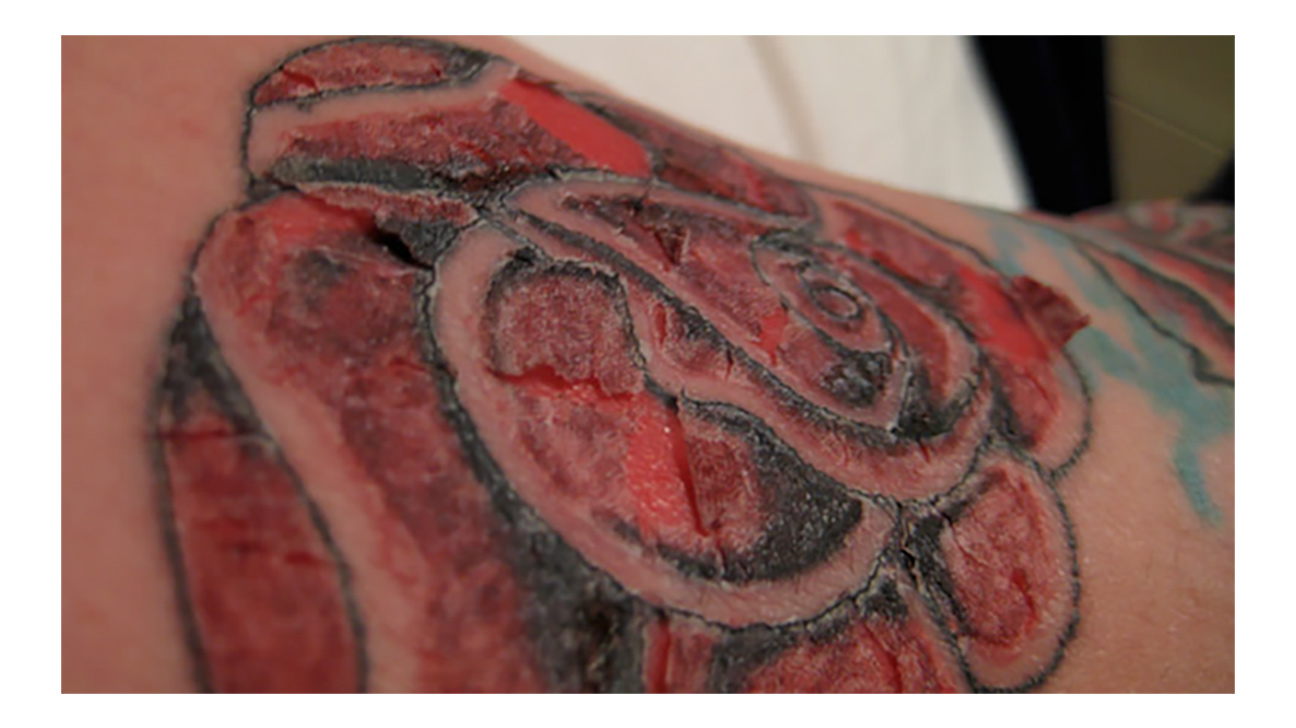
Tattoo Ink Allergy
What Are Tattoo Ink Allergies?
A tattoo ink allergy is your body’s immune response to specific components in the ink, mistaking them for harmful invaders. While tattoos are safer than ever in 2025, with advanced formulations and stricter regulations, reactions can still occur—especially for those with sensitive skin. At pinktatpier, we’ve seen clients like Sarah, a London artist, navigate concerns about ink sensitivity with our vegan inks, resulting in a vibrant forearm design with zero issues. Understanding what triggers these reactions is the first step to a worry-free tattoo.
Why Reactions Happen
Tattoo inks contain pigments, carriers (like water or alcohol), and sometimes additives. Common culprits for allergies include heavy metals (like nickel or cadmium) in traditional inks or certain colorants, particularly reds and yellows. A 2025 study from the British Association of Dermatologists notes that less than 5% of tattooed individuals experience allergic reactions, but awareness is key. At pinktatpier, we prioritize hypoallergenic, vegan inks to minimize these risks.
Sensitivity vs. Allergy
Not every irritation is an allergy. Sensitivity might cause temporary redness, while true allergies involve immune responses like prolonged itching or rashes. Our team at pinktatpier helps clients distinguish these during consultations, ensuring you’re informed before the needle touches your skin.
Common Symptoms of Tattoo Ink Allergies
Recognizing the signs of an ink allergy early can prevent discomfort and protect your tattoo’s beauty. Symptoms vary in intensity and timing, often appearing within days or even weeks after inking.
Immediate Symptoms (Days 1-7)
- Redness and Swelling: Mild redness is normal, but intense, spreading redness around the tattoo site may signal an allergy.
- Itching or Burning: Persistent itching beyond the initial healing phase (3-5 days) could indicate a reaction.
- Raised Skin or Bumps: Small, raised bumps (papules) around the tattoo, especially with colored inks, are a red flag.
Real Story: Tom, a London barista, noticed itchy red bumps around his red-inked wrist tattoo a week after his session. At pinktatpier, we advised gentle cleansing and a dermatologist visit, confirming a mild red pigment allergy that resolved with care.
Delayed Symptoms (Weeks to Months)
- Chronic Itching: Ongoing itchiness, especially in specific colors, may point to a delayed allergic response.
- Eczema-Like Rashes: Flaky, scaly patches resembling eczema can emerge, particularly with heavy metal-based inks.
- Photosensitivity: Some allergic reactions flare when exposed to sunlight, causing redness or swelling.
Real Story: Mia, a yoga instructor, experienced photosensitivity with her yellow-inked shoulder tattoo. After consulting pinktatpier, she adopted strict SPF protection, keeping her ink vibrant and reaction-free.
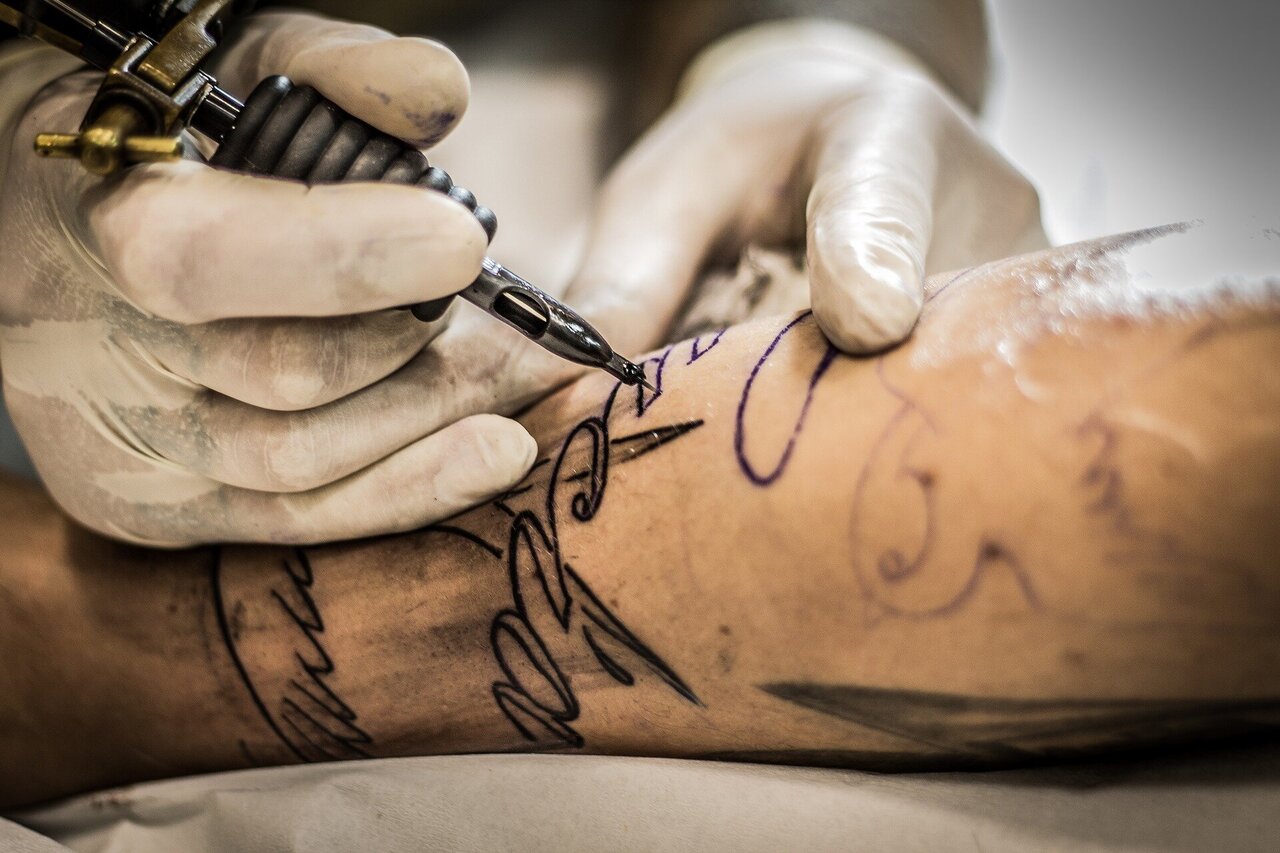
Tattoo Ink Allergy
Table: Common Tattoo Ink Allergy Symptoms
| Symptom | Timing | Severity | Action Needed |
|---|---|---|---|
| Intense Redness | Days 1-7 | Mild to Moderate | Monitor, consult if persistent |
| Persistent Itching | Days 3+ | Mild to Severe | Clean gently, see dermatologist |
| Raised Bumps | Days 5-14 | Moderate | Avoid scratching, seek advice |
| Eczema-Like Rash | Weeks to Months | Moderate to Severe | Medical evaluation, antihistamines |
| Photosensitivity | Weeks+ | Mild to Moderate | Use SPF, limit sun exposure |
For more on skin reactions, see Healthline’s guide to tattoo allergies.
Risks and Complications to Watch For
While most tattoo ink allergies are manageable, ignoring symptoms can lead to complications. At pinktatpier, we educate clients on risks to ensure they’re prepared for a safe tattoo journey.
Potential Complications
- Infections: Scratching an allergic tattoo can introduce bacteria, leading to infections. The NHS reports that 1-2% of tattoos develop infections, often worsened by untreated allergies.
- Scarring or Keloids: Chronic irritation may cause raised scars (keloids), especially in sensitive individuals.
- Pigment Migration: Severe reactions can disrupt ink, causing colors to blur or spread unevenly.
- Systemic Reactions (Rare): In extreme cases, allergies to heavy metals may trigger systemic issues like fatigue or swelling beyond the tattoo site.
Who’s at Risk?
- Sensitive Skin Types: Those with eczema, psoriasis, or contact dermatitis are more prone, per 2025 dermatology research.
- Allergy History: If you react to jewelry (nickel) or dyes, you may be susceptible to ink allergies.
- Color-Specific Risks: Red and yellow inks, often containing azo pigments, are the most common triggers, notes Tattoo UK.
Real Story: Alex, a London runner, had a history of eczema and worried about his calf tattoo. At pinktatpier, we used vegan black ink, avoiding his triggers, and he healed flawlessly.
Prevention Strategies for a Safe Tattoo Experience
Preventing ink allergies starts with informed choices and proactive steps. At pinktatpier, we’ve honed strategies to keep your tattoo experience safe and enjoyable, especially for first-timers.
Choose the Right Studio
- Research Credentials: Select a studio with NHS-compliant hygiene standards, like pinktatpier, where single-use needles and autoclave-sterilized tools are non-negotiable.
- Vegan Inks: Opt for hypoallergenic, vegan inks free of heavy metals. Our pinktatpier inks are 2025-approved for sensitive skin.
- Patch Testing: Request a small ink test 48 hours before your session to check for reactions, especially for reds or yellows.
Know Your Skin
- Disclose Allergies: Share your history of skin sensitivities or metal allergies during your pinktatpier consultation.
- Avoid Risky Colors: If prone to reactions, stick to black or dark green inks, which have lower allergy rates.
- Hydrate and Prep: Well-hydrated skin (8-10 glasses of water daily) heals better and reacts less, per dermatology insights.
During the Session
- Start Small: A smaller design reduces exposure to ink, lowering allergy risk.
- Monitor Skin Response: Watch for excessive redness or heat during tattooing and alert your artist.
- Numbing Options: Topical lidocaine creams (applied 45 minutes prior) can reduce discomfort without masking allergic signs.
Pro Tip from pinktatpier: Always ask about ink ingredients. Our vegan formulas at pinktatpier are transparent, ensuring you know exactly what’s going on your skin.
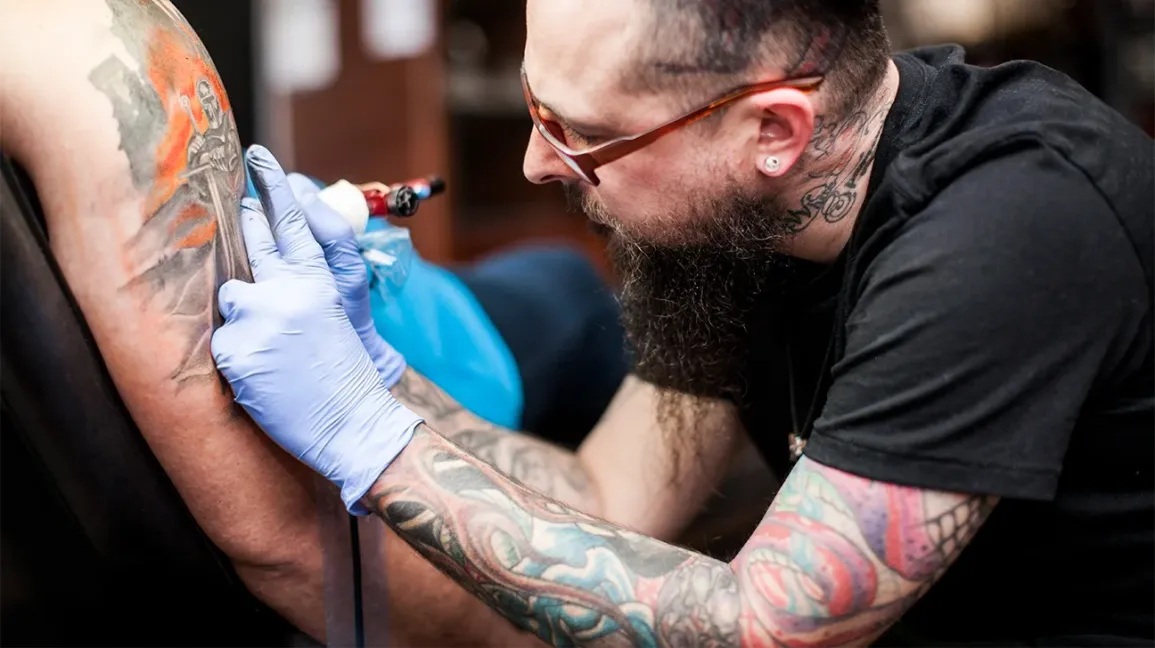
Tattoo Ink Allergy
Aftercare Tips to Minimize Allergic Reactions
Proper aftercare is your first defense against allergies and complications. At pinktatpier, we provide tailored kits and advice to keep your tattoo vibrant and your skin happy.
Aftercare Checklist
- Days 1-3: Leave the wrap on for 2-4 hours, then wash with lukewarm water and fragrance-free soap (like Cetaphil). Pat dry gently; apply a thin layer of unscented moisturizer (e.g., Aquaphor) 2-3 times daily.
- Days 4-10: Continue gentle washing twice daily. Avoid scratching, even if itchy—use a clean cloth to pat. Skip pools, saunas, or sun exposure.
- Weeks 2-4: Transition to a light, hypoallergenic lotion once peeling begins. Apply SPF 50 to protect against UV-triggered reactions.
- Long-Term Care: Use gentle cleansers and reapply SPF daily. Schedule touch-ups at pinktatpier to maintain clarity.
Avoid These Mistakes
- Overwashing: Too much cleaning strips natural oils, increasing irritation risk.
- Picking at Skin: Peeling or scabbing is normal; picking can introduce bacteria or worsen allergies.
- Harsh Products: Avoid alcohol-based or scented products, which can trigger reactions.
Real Story: Sophie, a marketing manager, followed pinktatpier’s aftercare to a T for her ribcage tattoo. Despite sensitive skin, her ink healed smoothly, no itch or rash in sight. For more aftercare tips, check Tattoo UK’s guide.
Why pinktatpier is Your Trusted Choice for Safe Tattooing
Located in the heart of London, pinktatpier is your sanctuary for safe, allergy-conscious tattooing. Our team combines expertise with empathy, using cutting-edge vegan inks and sterile protocols to ensure every client leaves with confidence. Whether you’re a first-timer or a seasoned ink enthusiast, we prioritize your skin’s health and your artistic vision.
What Makes pinktatpier Stand Out?
- Allergy-Aware Approach: We offer patch tests and vegan inks to minimize reaction risks, perfect for sensitive skin.
- NHS-Compliant Safety: Single-use needles and autoclave sterilization guarantee a clean process every time.
- Personalized Consultations: Free sessions help us understand your skin type and design goals, tailoring the experience to you.
- Welcoming Vibe: Our London studio feels like home, with a community that shares their stories online.
Client Love: Jordan, a barista, feared an allergic reaction due to past skin issues. “pinktatpier’s vegan inks and thorough consult made my bicep tattoo a dream—no redness, just art!” For more on tattoo safety, see NHS’s tattoo guidelines.
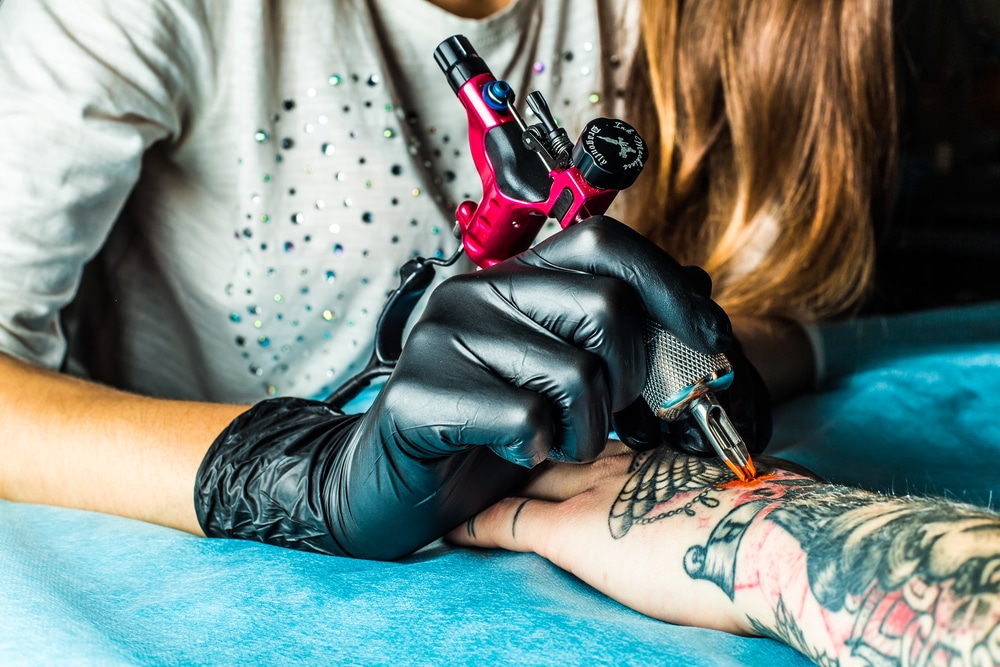
Tattoo Ink Allergy
The pinktatpier Commitment
We believe tattoos should empower, not stress. Our 2025-ready studio uses hypoallergenic inks, detailed skin assessments, and aftercare kits to prevent issues before they start. From choosing low-risk designs to guiding you through healing, pinktatpier is your partner in safe, stunning ink.
Frequently Asked Questions (FAQ)
1. How do I know if I’m allergic to tattoo ink?
Look for intense itching, red bumps, or rashes beyond normal healing (3-5 days). If it persists, chat with pinktatpier or a dermatologist—we’ll guide you!
2. Are certain tattoo colors riskier for allergies?
Yup, reds and yellows are common culprits due to pigments like azo or cadmium. Stick to vegan black ink at pinktatpier for lower risk.
3. Can I get a tattoo if I have sensitive skin?
Totally! We use hypoallergenic vegan inks at pinktatpier and offer patch tests to ensure your skin’s happy. Small designs are a great start.
4. What should I do if I notice an allergic reaction?
Don’t panic—wash gently, apply a mild moisturizer, and avoid scratching. Contact pinktatpier or a dermatologist for advice, like antihistamines or creams.
5. How can I prevent a tattoo ink allergy?
Choose vegan inks, request a patch test, and follow strict aftercare. pinktatpier’s got your back with safe inks and pro tips to keep reactions at bay
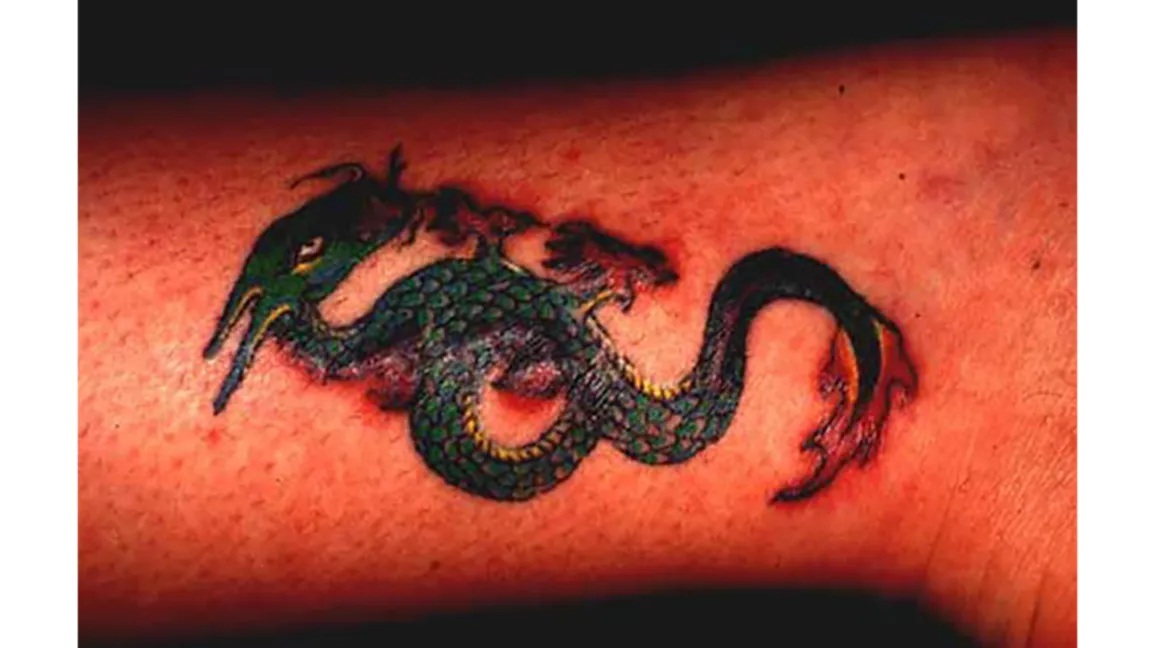
Tattoo Ink Allergy
Wrapping Up: Tattoo with Confidence, Allergy-Free
Tattoo ink allergies don’t have to dim your excitement for body art. By understanding symptoms like itching or rashes, recognizing risks like sensitive skin or color-specific reactions, and adopting prevention strategies—patch tests, vegan inks, and diligent aftercare—you can embrace your tattoo worry-free. The key is choosing a studio that prioritizes your skin’s health as much as your vision.
At pinktatpier in London, we’re your trusted ally, offering hypoallergenic inks, NHS-compliant safety, and a warm, welcoming space to bring your tattoo to life. With our expert guidance, countless clients have transformed fears into flawless ink. Ready to start your allergy-safe tattoo journey? Book your free consultation at pinktatpier today and let’s create art that’s as safe as it is stunning!