
For many, a tattoo is a profound form of self-expression. For Muslims or those with a deep connection to Islamic culture, the challenge is finding a design that honours both personal identity and faith. Halal-friendly tattoos are not a specific style, but rather a category of designs that avoid prohibited subjects and embrace the rich artistic traditions of the Islamic world.
This guide explores inspiring concepts that are rooted in respect, beauty, and spirituality.
1. The Art of Arabic Calligraphy
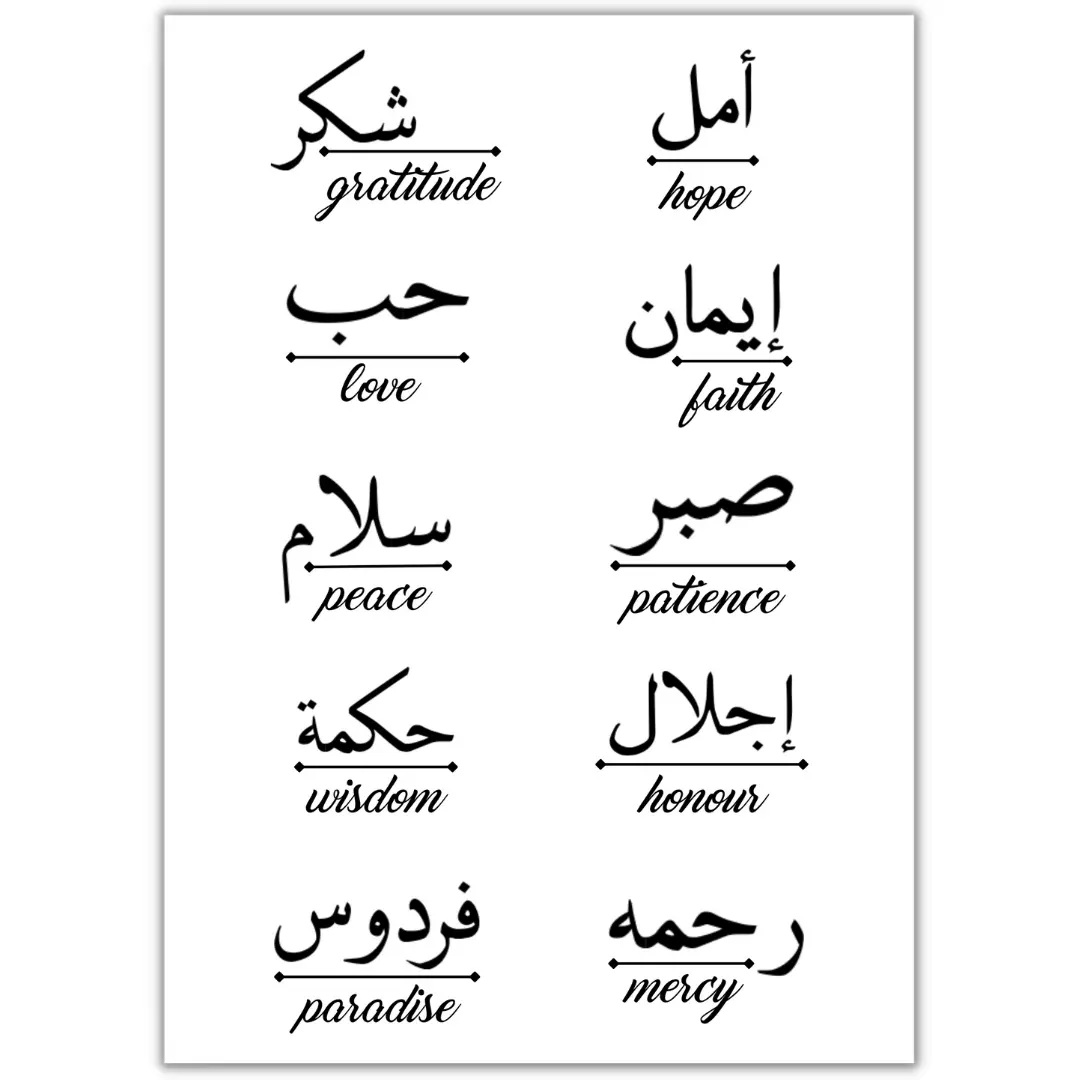
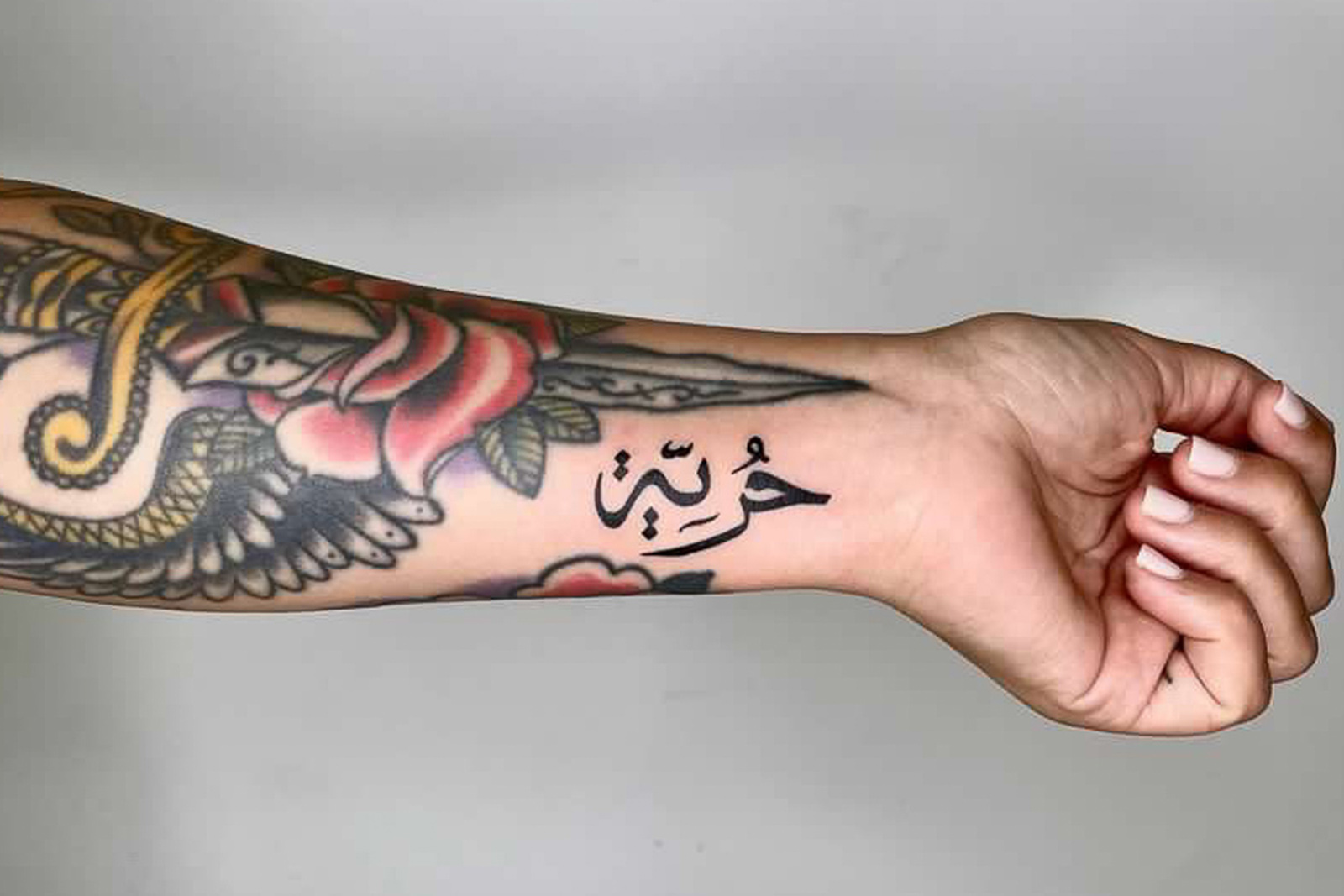
Calligraphy is the most revered art form in the Islamic world, often described as the art of the spiritual world. It is a powerful way to carry a meaningful message on your skin.
- Single, Powerful Words: Choose a word that represents a core value or a personal aspiration.
- صبر (Sabr): Patience, endurance. A beautiful reminder of strength in difficult times.
- شكر (Shukr): Gratitude. A symbol of thankfulness for life’s blessings.
- نور (Noor): Light. Represents divine light, guidance, and clarity.
- حب (Hubb): Love. A universal and powerful concept.
- يقين (Yaqeen): Certainty, conviction in faith.
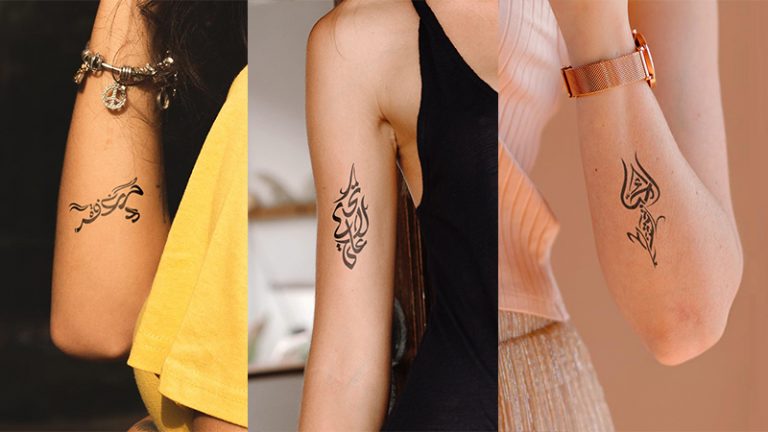
- Meaningful Phrases or Quotes: Select a phrase from poetry, a personal mantra, or a wise saying.
- “كن فيكون” (Kun Fayakun): “Be, and it is.” A powerful phrase from the Qur’an signifying God’s absolute power of creation. (Note: See section on avoiding Qur’anic text below).
- “لا غالب إلا الله” (La ghaliba illa Allah): “There is no victor except God.” The motto of the Nasrid Dynasty, inscribed all over the Alhambra palace.
- Lines from Rumi’s Poetry: Rumi’s work is filled with profound spiritual insights that make for beautiful and deep tattoos.
- Names or Dates: The names of loved ones or significant dates (births, anniversaries) rendered in elegant script.
Halal Tattoo Ideas
2. Sacred Geometry & Islamic Patterns
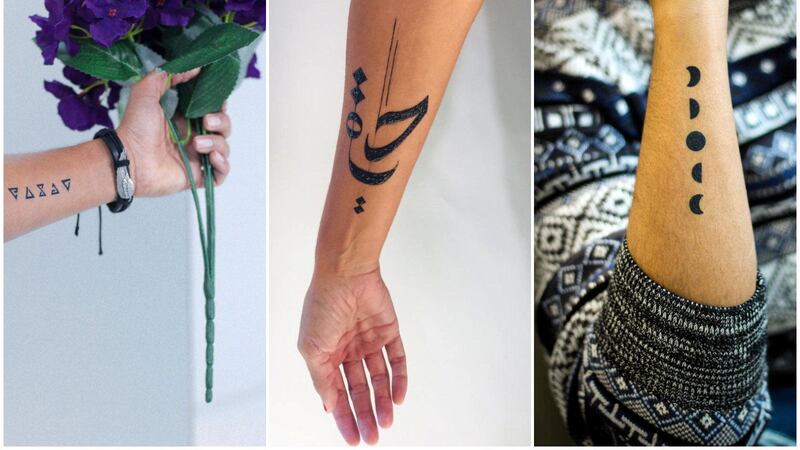
Islamic art is famous for its intricate geometric patterns. These designs are not just decorative; they represent the order and harmony of the universe created by God. Because they are abstract, they are an excellent way to have a visually stunning tattoo without depicting living beings.
- Mandala-style Geometric Rosettes: These circular patterns symbolize unity, eternity, and the infinite nature of God.
- Girih or Zellige Tile Patterns: Intricate star-and-polygon patterns found in mosques and palaces. A sleeve or back piece made of these patterns can be breathtaking.
- Seed of Life or Flower of Life: While not exclusively Islamic, these universal geometric symbols of creation and interconnectedness are popular and generally considered permissible.
3. Flora, Fauna, and Nature Motifs
The depiction of plants, flowers, and landscapes is generally considered acceptable in Islamic art, as they are creations of God.
- Olive Branch: A powerful and universal symbol of peace and victory.
- Pomegranate: Mentioned in the Qur’an as a fruit of paradise, it symbolizes fertility and abundance.
- Palm Tree/Date Palm: Represents hospitality, generosity, and is also mentioned in the Qur’an.
- Rose or Tulip: These flowers are heavily featured in Persian and Ottoman art, often symbolizing love and divine beauty.
- Landscapes: A non-figurative landscape, such as a desert scene with dunes and stars, can be a beautiful and permissible design.
Halal Tattoo Ideas
4. Architectural and Celestial Symbols
- The Crescent Moon and Star: While a relatively modern symbol for Islam, it is widely recognized and culturally significant. It represents guidance and the heavens.
- Mosque Silhouettes or Arches: The outline of a famous mosque or the distinct shape of an Islamic archway can be a powerful symbol of faith and heritage.
- Astrolabe Designs: The astrolabe was a sophisticated astronomical instrument developed during the Islamic Golden Age. A tattoo of an astrolabe symbolizes knowledge, guidance, and a connection to a rich intellectual history.
5. Cultural Symbols of Protection
These symbols are more cultural than strictly religious and are popular across the Middle East, North Africa, and beyond.
- The Hamsa (Hand of Fatima): A palm-shaped amulet used to protect against the evil eye. It is a symbol of protection, blessings, power, and strength.
- The Nazar (Evil Eye): A blue, eye-shaped amulet believed to ward off evil glances. A small, minimalist Nazar tattoo is a very popular choice.
Halal Tattoo Ideas
Important: Designs to Approach with Caution or Avoid
To ensure a tattoo remains within respectful boundaries, most Muslims choose to avoid:
- Depictions of Animate Beings: The majority of Islamic scholars agree that creating images of humans or animals is forbidden (haram), as it can be seen as an attempt to imitate God’s act of creation.
- Direct Qur’anic Verses: This is a highly sensitive area. Because the body is not always in a state of ritual purity (e.g., after using the restroom), many believe it is deeply disrespectful to have the sacred text of the Qur’an tattooed on the skin. It is better to choose a symbolic word or phrase.
- Symbols of Other Religions or Idolatry: Any imagery that could be associated with polytheism is strictly forbidden.
- Anything Promoting Haram Activities: Designs that depict or glorify things that are forbidden in Islam (e.g., gambling, alcohol).
Halal Tattoo Ideas
Temporary Halal-Friendly Alternatives
If you love the aesthetic of these designs but are not comfortable with a permanent tattoo, there are beautiful temporary options:
- Henna (Mehndi): A traditional plant-based dye used to create intricate patterns on the skin for celebrations. It is completely permissible.
- Jagua: A fruit-based gel that stains the skin a black-blue colour, closely resembling a real tattoo. It is also a natural and temporary option.
Ultimately, the choice to get a tattoo is a personal one. By choosing a design rooted in the rich artistic and spiritual traditions of Islamic culture, you can create a piece of body art that is both beautiful and a respectful expression of your identity.
Disclaimer: This article is for informational and inspirational purposes only. The permissibility of tattoos is a complex topic in Islamic jurisprudence. It is highly recommended to consult with a trusted religious scholar for personal guidance on matters of faith.